
Ivan Kairatov is a leading figure in biopharmaceutical innovation, specializing in the molecular mechanisms that drive human aging. With an extensive background in research and development, he has spent years investigating how tech-driven insights can be translated into clinical breakthroughs. His work often bridges the gap between complex genetic data and practical healthcare solutions, making him a pivotal voice in the evolving landscape of longevity science.
The following discussion explores the groundbreaking potential of using small non-coding RNAs as biomarkers for aging. We delve into how machine learning models are analyzing blood samples from over a thousand older adults to predict survival outcomes with remarkable accuracy. The conversation also highlights the unexpected role of piRNAs—molecules once thought to be limited to reproductive biology—as potential therapeutic targets that could fundamentally change how we manage geriatric health and extend the human healthspan.
While piRNAs are traditionally linked to DNA protection in reproductive cells, they are now being identified in the blood of older adults. How does their presence in systemic circulation change our understanding of cellular aging, and what biological mechanisms might explain why lower levels correlate with a longer life?
The discovery of piRNAs in the blood of 1,271 community-dwelling adults aged 71 and older was a genuinely surprising turning point in our research. Traditionally, we viewed these molecules as the “guardians” of the germline, focusing almost exclusively on how they protect DNA in reproductive cells. Seeing them in systemic circulation suggests that their regulatory reach is far broader than we previously imagined, potentially acting as signaling molecules that reflect the state of cellular stress throughout the body. The fact that longer-lived individuals showed lower levels of nine specific piRNAs suggests that an abundance of these molecules might be a distress signal or a marker of cellular dysregulation. It changes our perspective by suggesting that “biological youth” may involve the successful suppression of these specific RNA signals in our later years.
Machine learning models can now integrate molecular data with lifestyle factors and physical function to predict short-term survival. What are the specific challenges in balancing molecular markers against traditional clinical data, and how can clinicians use these two-year forecasts to personalize patient care?
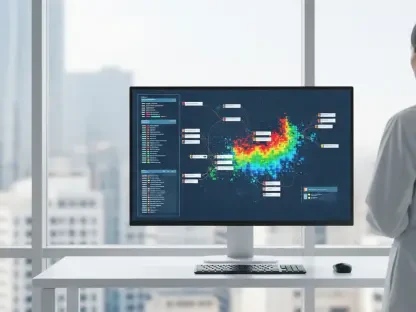
One of the greatest hurdles is the sheer volume of data, as we evaluated 828 small non-coding RNAs alongside a massive array of clinical variables like mood, lipid levels, and physical function. Machine learning is essential here because it can identify patterns that a human doctor might miss, particularly when looking at how a molecular signature interacts with something as subjective as a patient’s lifestyle. Our model proved especially effective at predicting survival over a two-year period, which provides a very high-resolution window for medical intervention. For a clinician, this means they no longer have to rely on broad demographic averages; they can see a high-risk molecular profile and immediately prioritize aggressive preventative care or lifestyle adjustments. This two-year forecast acts as an early warning system, allowing for a level of precision in geriatric medicine that was simply impossible a decade ago.
Nine specific piRNAs have emerged as potential targets for therapeutic intervention to extend human lifespan. What steps are required to move these markers from a diagnostic blood test to a functional treatment, and what potential risks exist when trying to manipulate gene-regulating RNA molecules?
Moving from a diagnostic tool to a functional treatment requires a rigorous transition from observation to causation, where we must prove that lowering these nine piRNAs actually slows the aging process. We would likely begin with targeted RNA therapeutics, such as antisense oligonucleotides, designed to silence these specific molecules in patients where they are overexpressed. However, the stakes are high because these RNAs are part of a complex regulatory web that governs how our genes are expressed. If we intervene too aggressively, we risk “off-target” effects where we might inadvertently disrupt DNA protection or other essential cellular functions. The goal is to find a therapeutic “sweet spot” where we can reduce the negative impact of these RNAs without compromising the body’s natural defensive mechanisms.
Shifting toward simple blood tests for aging could revolutionize preventative medicine for the elderly. How would such a test be integrated into routine geriatric screenings, and what metrics should be used to determine if an RNA-based intervention is actually improving a patient’s healthspan?
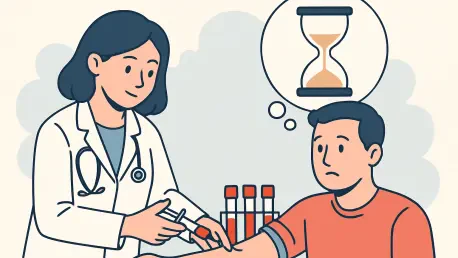
Integrating these tests would be relatively seamless because they rely on standard blood draws, making them easy to include in the routine screenings that adults over 71 already receive. Instead of just checking cholesterol or blood sugar, a doctor would receive a report on the patient’s “RNA age,” providing a much deeper look at their biological trajectory. To measure success, we wouldn’t just look at whether the patient is still alive; we would use metrics like the maintenance of physical function, cognitive stability, and the stabilization of metabolite levels. If an intervention is working, we should see the molecular profile of these eight hundred-plus RNAs shift back toward a signature associated with longer-lived individuals. It’s about moving the needle on the quality of life, ensuring those extra years are spent in a state of high physical and mental vitality.
What is your forecast for the use of RNA-based testing in longevity medicine?
I predict that within the next decade, RNA-based testing will become the cornerstone of personalized preventative medicine for the elderly. We will move away from reactive treatments and toward a model where we can predict survival at 2, 5, and 10-year intervals with nearly surgical precision using molecular data. As our machine learning models grow more sophisticated, these tests will likely be able to suggest specific lifestyle or pharmacological changes tailored to a person’s unique RNA expression. We are effectively learning to read the body’s internal status report, and once we can read it, we can begin to rewrite the story of how we age. This will lead to a future where aging is managed as a treatable biological process rather than an inevitable decline.