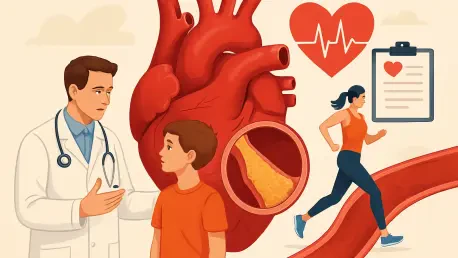
Cardiovascular disease remains the leading cause of mortality across the globe, yet the medical landscape is currently witnessing a profound transformation in how we address the silent accumulation of arterial plaque. The traditional model of reactive care, which often prioritized intervention only
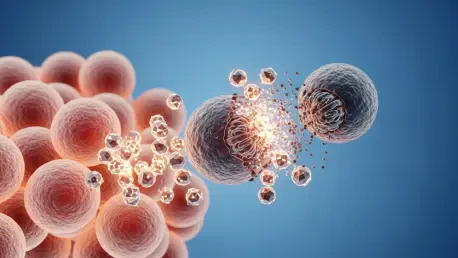
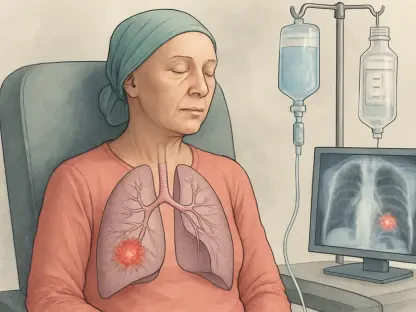
The long-standing struggle against small cell neuroendocrine cancers has finally reached a pivotal turning point through the strategic exploitation of genetic dependencies. For over fifty years, patients diagnosed with these aggressive malignancies in the lungs, prostate, or ovaries faced a grim

The traditional classification of cancer based primarily on the organ where a tumor first appears is rapidly being superseded by a sophisticated genomic perspective that prioritizes the specific molecular drivers of the disease. Recent breakthroughs led by Dr. Derya Deniz Özdemir and an

In the critical weeks required for a traditional tissue biopsy to navigate the laboratory backlogs of sub-Saharan clinics, a pediatric tumor can expand with such terrifying speed that it effectively outpaces the possibility of survival. While children in high-income nations benefit from survival
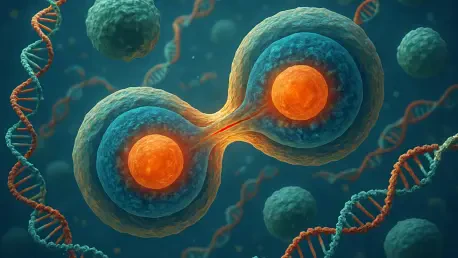
The boundaries between how a cell generates energy and how it decides to multiply have long been viewed as separate chapters in the book of biology, yet recent evidence suggests these processes are inextricably linked by a single, versatile protein. For over seventy years, scientists categorized

The human brain has long been compared to a biological supercomputer, yet for nearly a century, our understanding of its internal wiring was limited to examining the hardware after the power had been cut. This traditional reliance on postmortem tissue provided a static blueprint of the brain’s