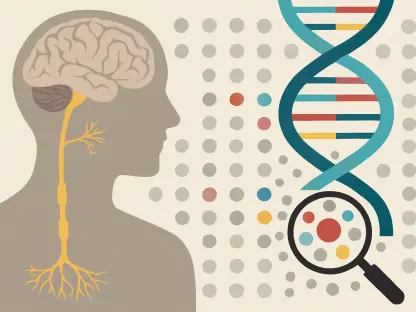

Imagine starting each day with a steaming cup of tea, a ritual cherished by millions worldwide for its soothing aroma and perceived wellness perks. Yet, beneath this comforting habit lies a complex debate: Is tea truly a health elixir, or does it harbor hidden risks? This roundup dives into the

For thousands living with spinal muscular atrophy who aged out of early approvals, the FDA’s greenlight of an intrathecal gene therapy redrew the treatment map and challenged long‑held limits. The authorization of Itvisma, an intrathecal formulation of onasemnogene abeparvovec for patients two

After first-line therapy fails in advanced biliary cancer, the next decision can stretch between hope for extra months and fear of heavy toxicity, a fraught balance that now places FOLFIRINOX squarely under the spotlight. Clinics see this crossroads every week: a patient who just progressed on

If bacteria aren’t the whole story of the tumor microenvironment, what crucial signals are being missed from fungi that quietly occupy the same space yet account for only a sliver of the sequencing reads but a disproportionate share of immune cues and clinical outcomes? That challenge has gained
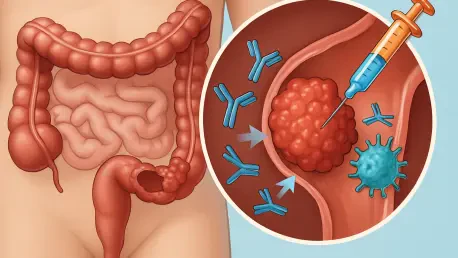
Imagine a scenario where a patient diagnosed with metastatic colorectal cancer (CRC) receives a treatment that not only halts the disease's progression but also leads to remarkable tumor shrinkage, offering a renewed chance at life. This isn’t just a hopeful vision but a reality for a small subset

Spinal Muscular Atrophy (SMA), a rare genetic disorder that causes progressive muscle weakness and significant life challenges, has long been a focus of medical research seeking transformative solutions for affected individuals across all ages. A pivotal moment in this journey arrived on November