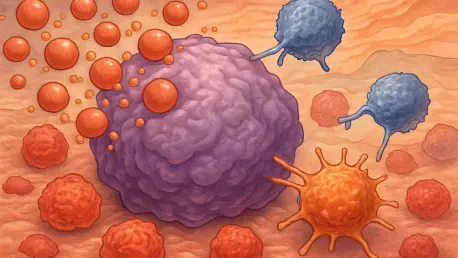
A significant portion of cancer patients do not respond to immunotherapy because their tumors are immunologically inactive, but a groundbreaking collaborative study from Cornell University researchers has unveiled a remarkable solution using ultrasmall fluorescent silica nanoparticles, known as

A groundbreaking study from Brazil has provided compelling evidence that a simple blood test could revolutionize the diagnosis and treatment of lung cancer, offering a much faster and less invasive alternative to traditional methods. Research centered at the national oncology reference center,

Pancreatic cancer has long maintained a daunting reputation as one of the most aggressive and difficult-to-treat malignancies, a challenge largely defined by its resistance to standardized therapies and the limitations of conventional research models. For patients and clinicians alike, the path of

The advent of immunotherapy offered a powerful beacon of hope in the fight against advanced melanoma, yet for many patients and their families, that light has remained frustratingly out of reach. These revolutionary treatments, designed to unleash the body's own immune system against cancer, have

A concerning and rapid increase in bowel cancer diagnoses among younger adults has added a new layer of urgency to one of oncology's most persistent challenges: the ability of tumors to develop resistance to standard treatments. This growing crisis highlights a critical gap in medical science, as
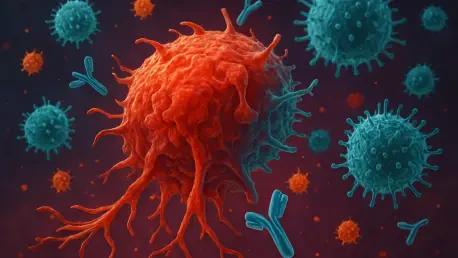
A groundbreaking study has unraveled a sophisticated deception used by aggressive breast cancer to build a fortress against the body's immune system, but in doing so, the cancer inadvertently leaves the key to its own destruction lying in plain sight. Research from scientists at Sun Yat-Sen