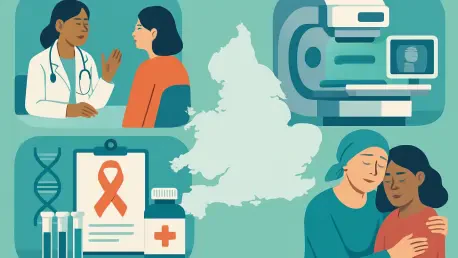

The alarming underrepresentation of Black women in clinical trials, particularly in cancer research, stands as a critical public health issue that cannot be ignored, especially given their 38% higher likelihood of dying from breast cancer compared to other groups. Despite this stark statistic,
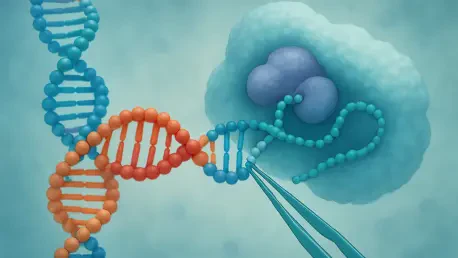
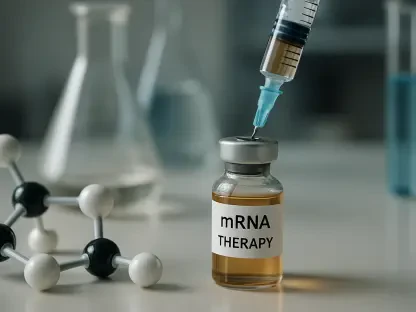
Diving into the forefront of biopharma innovation, I’m thrilled to sit down with Ivan Kairatov, a seasoned expert in the field with extensive experience in research and development. Ivan’s deep knowledge of cutting-edge technologies offers a unique perspective on the latest advancements in RNA

In a world where diabetes affects millions and places an immense strain on healthcare systems globally, a revolutionary approach to treatment has emerged from the Phase 3a ONWARDS 1–6 trials, showcasing the potential of Once-Weekly Insulin Icodec. This innovative therapy, distinct from the daily
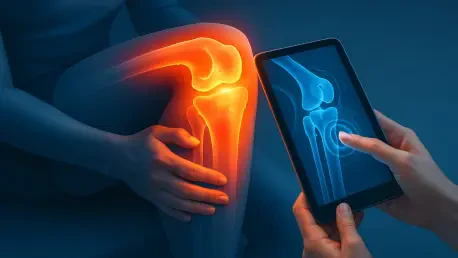
In a remarkable stride toward modernizing healthcare, a clinical trial is underway to evaluate MORA Cure PFP, a cutting-edge digital therapy app designed to alleviate knee pain caused by patellofemoral pain syndrome (PFP), a condition marked by discomfort around or behind the kneecap. This ailment
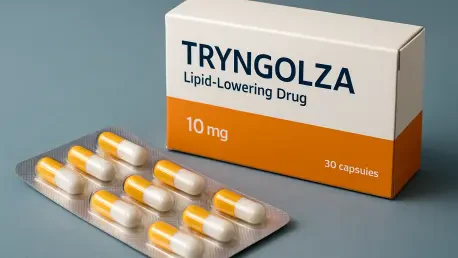
I'm thrilled to sit down with Ivan Kairatov, a renowned biopharma expert with extensive experience in research and development, as well as a deep understanding of innovation in the industry. Today, we’re diving into the exciting developments surrounding Tryngolza, a groundbreaking lipid-lowering

In an era where pharmaceutical innovation faces mounting pressure to deliver faster and more cost-effective solutions, digital twins have emerged as a groundbreaking force in reshaping clinical trials, offering a transformative approach to drug development. These virtual patient models, crafted