
Imagine a healthcare landscape where veterans, who have sacrificed so much, face significant barriers to cutting-edge cancer treatments due to geographic and systemic disparities, particularly in the Southwest United States where many are diagnosed with cancer at late stages. Often, they miss out
Diving into the forefront of cancer immunotherapy, we’re thrilled to speak with Ivan Kairatov, a renowned biopharma expert with extensive experience in research and development. Ivan’s deep knowledge of technological innovation in the industry has positioned him as a leading voice in the fight

In a groundbreaking stride toward transforming prostate cancer care, researchers have uncovered a potential game-changer that could redefine how this prevalent disease is tackled, offering new hope to millions of men worldwide. Prostate cancer remains the second most common cancer among men

In a world where childhood brain cancer remains one of the most heartbreaking diagnoses a family can face, a groundbreaking initiative is lighting the way toward hope and healing with remarkable determination. The CONNECT TarGeT clinical trial, a transatlantic research effort, is targeting some of
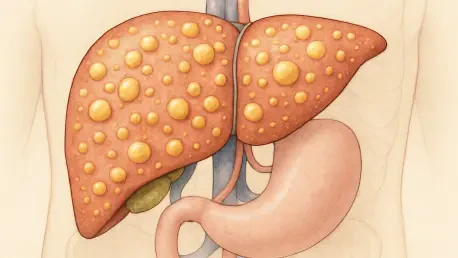
Steatotic liver disease (SLD), encompassing conditions like metabolic dysfunction-associated steatotic liver disease (MASLD), alcohol-related liver disease (ALD), and their overlap (MetALD), has emerged as a dominant global health concern, affecting over 30% of adults worldwide. With its alarming

I'm thrilled to sit down with Dr. Ivan Kairatov, a renowned interventional cardiologist and senior scientist at the Population Health Research Institute. With his extensive expertise in heart attack treatment strategies, Dr. Kairatov has been at the forefront of groundbreaking research on complete