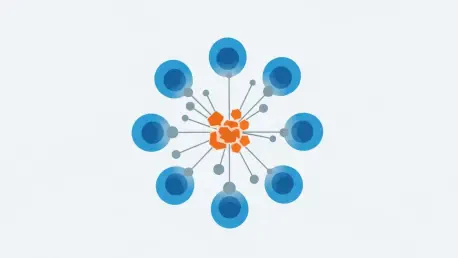

The human immune system stands as a formidable biological fortress, meticulously designed to identify and annihilate threats ranging from common viruses to nascent cancer cells, but a landmark analysis has illuminated a disturbing scenario where this defense system’s own soldiers can be corrupted to aid the very enemy they are meant to destroy. A comprehensive multiomics investigation into lung adenocarcinoma has uncovered how a specific subset of immune cells, once trusted guardians, undergoes a dramatic transformation, becoming active collaborators in fueling tumor progression. This discovery not only challenges conventional wisdom about the immune response to cancer but also charts a new course for developing more precise and effective therapies, forcing the scientific community to reconsider the complex and often paradoxical relationship between our bodies and the diseases that arise within them. The research provides a detailed molecular blueprint of this betrayal, offering a critical understanding of the intricate dance between cancer and the immune cells it subverts.
The Enemy Within
At the center of this biological conspiracy is a population of immune cells known as CXCL16-positive macrophages, which, under the influence of a cancerous lung tumor, adopt a treacherous new identity. These cells enter a state of cellular senescence, a form of irreversible growth arrest. However, far from becoming dormant, these senescent macrophages remain metabolically active and turn into potent agents of disease progression. Instead of attacking the lung adenocarcinoma cells as expected, they begin to secrete a cocktail of signaling molecules that fundamentally alters the tumor microenvironment. This action subverts their primary defensive function, transforming them from protectors into facilitators. The research meticulously dissects this functional shift, revealing that the senescent state is not a passive consequence of the tumor’s presence but an active, integral component of the mechanism that drives the cancer forward, highlighting a significant vulnerability in the body’s defense system.
This transformation represents a profound departure from the established role of macrophages as key players in antitumor immunity. The study demonstrates that these immune cells, traditionally viewed as the first line of defense, can be co-opted by the very malignancy they are supposed to eliminate. The senescent CXCL16+ macrophages effectively abandon their protective duties and become collaborators in the disease process, actively contributing to a microenvironment that is highly conducive to tumor expansion and survival. They orchestrate this permissive setting by remodeling the surrounding tissue and influencing the behavior of other nearby cells, creating a safe haven for the cancer to proliferate. This duplicitous nature of tumor-associated macrophages underscores the complexity of the immune response in cancer, illustrating that a one-size-fits-all view of immune cells as uniformly antagonistic to tumors is an oversimplification that can obscure critical aspects of disease biology.
Unraveling the Molecular Conspiracy
The molecular linchpin in this process of cellular treason is the Transforming Growth Factor-beta (TGF-β) signaling pathway. Researchers identified this pathway as the central communication channel through which senescent macrophages exert their pro-tumorigenic influence. TGF-β is a multifunctional cytokine known for its context-dependent roles in cancer; it can act as both a tumor suppressor in early stages and a potent promoter in advanced disease. In the specific context of lung adenocarcinoma, the study shows conclusively that TGF-β released by the corrupted macrophages acts as a powerful pro-growth signal. This signal not only directly enhances the proliferation of cancer cells but also plays a crucial role in immune evasion, helping the tumor hide from and suppress the body’s broader immune defenses, allowing it to grow unchecked by other, still-loyal immune cell populations.
Further investigation revealed a sophisticated and detrimental feedback loop that perpetuates this pro-cancer environment. The malignant lung adenocarcinoma cells were found to be the initial instigators, actively inducing the state of senescence in the surrounding CXCL16+ macrophage population. Once these macrophages become senescent, they begin secreting factors, mediated primarily by the TGF-β pathway, that in turn fuel the tumor’s growth and survival. This creates a self-reinforcing cycle where the cancer cultivates its own supportive niche, essentially farming a population of immune cells to work on its behalf. This insidious mechanism ensures a continuous supply of pro-tumor signals, accelerating the cancer’s progression and making the tumor microenvironment increasingly hostile to any effective anti-cancer immune response, thereby entrenching the disease and making it more difficult to treat.
A New Blueprint for Discovery
This groundbreaking insight was made possible through the application of an advanced methodological approach known as multiomics analysis. By synergizing vast datasets from genomics, transcriptomics, proteomics, and metabolomics, the research team constructed a holistic, high-resolution map of the molecular landscape within the tumor microenvironment. This comprehensive strategy was instrumental in pinpointing the unique gene expression signature of the senescent CXCL16+ macrophages and isolating the TGF-β pathway as the key functional axis connecting them to tumor progression. Such a detailed understanding would have been nearly impossible to achieve through traditional, single-data-type studies, which often provide only a fragmented view of complex biological systems. This methodology represents a powerful new paradigm for biomedical research, enabling a more complete and actionable understanding of disease biology.
The study exemplifies a significant and overarching trend in modern cancer research: the shift from viewing tumors as isolated collections of malignant cells to understanding them as complex, dynamic ecosystems. This tumor microenvironment is a bustling community where cancer cells, immune cells, blood vessels, and other structural cells are engaged in a constant and intricate dialogue. The signals exchanged within this ecosystem can either suppress or promote cancer growth. By deciphering the rules of this complex interplay, as this study has done, scientists can identify critical vulnerabilities that can be exploited for therapeutic benefit. This ecosystem-based perspective is paving the way for the next generation of cancer treatments that target not just the cancer cells themselves, but the entire supportive network that enables their survival and growth.
Charting a New Course for Cancer Therapy
The detailed findings from this research have profound implications for the future of oncology and cancer immunotherapy, suggesting that many current strategies may need re-evaluation. The discovery that a specific immune cell population can actively aid a tumor indicates that broad, non-specific immune activation therapies might be insufficient or, in some cases, even counterproductive. If a portion of the immune system is working against the patient, simply “boosting” all immune activity could inadvertently strengthen the pro-tumor faction. A more sophisticated and targeted approach is therefore necessary—one that can distinguish between helpful and harmful immune cells and selectively neutralize the latter. This calls for the development of therapies that can reprogram these cellular traitors, converting them from collaborators back into cancer-fighting agents or eliminating them from the tumor microenvironment altogether.
This investigation provided a clear path toward developing such innovative and targeted therapies. A novel therapeutic strategy emerged directly from the molecular details uncovered: specifically disrupting the TGF-β signaling pathway within the senescent CXCL16+ macrophage population. By blocking this critical communication channel, it was hypothesized that the pro-tumor effects of these cells could be neutralized, potentially restoring a more immune-stimulatory, anti-cancer environment. This concept opened a promising new avenue for therapeutic intervention that could complement existing treatments like chemotherapy or checkpoint inhibitors. Furthermore, this work strongly advocated for the advancement of personalized medicine, leveraging multiomics analyses to tailor precision therapies to the unique cellular and molecular characteristics of an individual’s cancer. The insights gained moved the field beyond a one-size-fits-all approach and demonstrated how a deeper understanding of the intricate cellular dynamics within a tumor could pave the way for more effective treatments and improved patient outcomes.