
The staggering realization that nearly twenty million individuals receive a cancer diagnosis annually across the globe has catalyzed a shift from generalized medical protocols toward highly nuanced, patient-specific interventions. In the United States alone, the National Cancer Institute tracks approximately two million new cases each year, reflecting a biological challenge that demands more than traditional, broad-spectrum approaches. This massive scale of illness has necessitated a profound transformation in oncological philosophy, moving the industry away from a one size fits all mentality and toward a model of precision medicine. By leveraging deep insights into cellular biology and genetic sequencing, medical professionals are now able to construct treatment plans that address the unique molecular signatures of a patient’s disease. This evolution is not merely a change in technology but a fundamental reimagining of how the medical community interacts with the complexity of malignant growths. The objective is to treat the specific drivers of the disease while minimizing the collateral damage often associated with older, more aggressive therapeutic interventions.
The landscape of modern oncology is currently defined by this transition toward molecularly targeted care, where every therapeutic decision is backed by a sophisticated understanding of how individual tumors behave and evolve. Instead of relying solely on anatomical location, such as whether a cancer started in the lungs or the breast, doctors are increasingly looking at the specific mutations and pathways that allow the cancer to flourish. This shift has led to an expanded arsenal of tools that combines time-tested surgical and radiological methods with cutting-edge genetic engineering and immunotherapy. This diverse range of options allows for a multi-pronged strategy, significantly improving long-term survival rates and the quality of life for those navigating a diagnosis. As the field continues to mature, the focus remains on integrating these various modalities into a cohesive, synergistic framework that can adapt to the changing nature of the disease throughout a patient’s journey.
Advances in Surgical Oncology and Minimally Invasive Techniques
Surgery has served as the historical bedrock of cancer care for centuries, centering on the fundamental goal of physically removing malignant tissues from the human body to stop the progression of the disease. A successful operation is often defined by the achievement of clear margins, a surgical state where the edges of the removed tissue show no signs of cancer cells under microscopic examination. Securing these boundaries is an essential metric for reducing the risk of local recurrence and is frequently the primary step in a broader, multi-modal treatment strategy that includes systemic therapies. As diagnostic imaging has improved, surgeons are now able to visualize these margins with greater clarity before the first incision is ever made, allowing for more conservative yet highly effective excisions that preserve as much healthy tissue as possible. This precision is vital for maintaining the patient’s physical function and aesthetic integrity, particularly in areas where complex anatomical structures are clustered.
Modern surgical practice has moved decisively away from large, invasive incisions toward minimally invasive techniques that prioritize rapid recovery and reduced physical trauma. Robotic-assisted surgery has revolutionized this space by providing surgeons with enhanced three-dimensional visibility and a range of motion that exceeds the capabilities of the human hand. Using these advanced systems, medical professionals can navigate delicate areas through tiny ports, leading to significantly less blood loss and shorter hospital stays for the patient. Similarly, laparoscopic procedures have become the standard of care for many abdominal and gynecological malignancies, allowing for internal interventions that were once thought impossible without open surgery. In cases where a tumor cannot be fully removed, debulking procedures are employed to reduce the total mass, which can alleviate severe symptoms and improve the efficacy of subsequent radiation or chemical treatments. This collaborative approach ensures that surgery is a dynamic component of the modern oncological toolkit rather than a standalone solution.
The Evolution of Radiation Therapy and Precision Delivery
Radiation therapy remains a critical pillar of cancer management, utilized in more than half of all cases globally to provide localized control over tumor growth. The fundamental mechanism of this treatment involves directing high-energy particles or electromagnetic waves at a tumor to disrupt the DNA of the cancer cells, thereby preventing them from replicating and leading to their eventual destruction. Recent technological advancements have focused on increasing the precision of this delivery, ensuring that the maximum dose is concentrated on the malignancy while minimizing the exposure of adjacent healthy organs and tissues. This is particularly important for tumors located near the heart, lungs, or central nervous system, where even minor accidental radiation exposure could lead to long-term side effects or functional impairment. By refining the accuracy of these energy beams, clinicians have been able to escalate dosages safely, leading to better outcomes for even the most aggressive tumor types.
Technological leaps such as intensity-modulated radiation therapy and volumetric modulated arc therapy allow doctors to sculpt the radiation beams to the exact three-dimensional contours of the target area. Specialized systems like stereotactic radiosurgery can deliver highly concentrated doses from hundreds of different angles, converging at a single point to treat brain or spinal lesions without the need for traditional surgery. Furthermore, the rise of proton therapy represents a major breakthrough in the field, as it uses positively charged particles that deposit the bulk of their energy at a specific depth and then stop. This unique characteristic eliminates the exit dose of radiation, making it an ideal choice for pediatric patients whose growing bodies are especially sensitive to unnecessary radiation. These innovations represent a move toward a more targeted form of physical energy, where the focus is on maximizing cellular damage within the tumor while maintaining the integrity of the surrounding biological environment.
Systemic Treatment Through Modern Chemotherapy
Chemotherapy continues to be a vital instrument in the oncologist’s arsenal, particularly for treating cancers that have the potential to spread or have already migrated through the bloodstream to distant organs. Unlike localized interventions such as surgery or radiation, chemotherapy is a systemic treatment, meaning the pharmacological agents circulate throughout the entire body to identify and destroy rapidly dividing cells. This capability is essential for managing metastatic disease, where microscopic clusters of cancer cells may be hidden in areas that cannot be reached by physical means. While chemotherapy has been a staple of cancer care for decades, modern protocols have been significantly refined to improve efficacy and reduce the systemic toxicity that was once synonymous with the treatment. Doctors now use a more nuanced understanding of cell cycles to time the administration of these drugs, ensuring that they hit the cancer at its most vulnerable state while giving healthy tissues more time to recover.
To address the issue of drug resistance, many modern treatment plans utilize combination chemotherapy, which involves the simultaneous or sequential use of several different agents with distinct mechanisms of action. This multi-front attack makes it much harder for cancer cells to adapt and survive, often leading to more durable remissions than single-agent therapies. Furthermore, the patient experience has been improved through the use of implanted vascular access ports and sophisticated anti-emetic medications that manage side effects like nausea and fatigue. These advancements allow many patients to continue their daily routines while undergoing treatment, shifting the perception of chemotherapy from a debilitating ordeal to a manageable component of a larger therapeutic journey. Leading research centers are also exploring the use of low-dose metronomic chemotherapy, which aims to provide constant pressure on the tumor’s blood supply without the intense side effects of traditional high-dose cycles, offering a gentler alternative for specific patient populations.
The Paradigm Shift of Immunotherapy and Checkpoint Inhibitors
Immunotherapy has fundamentally rewritten the rules of cancer treatment by shifting the focus away from the tumor itself and toward the patient’s own biological defenses. For many years, cancers were able to survive and grow by exploiting natural biological checkpoints that prevent the immune system from attacking the body’s own cells. These malignancies essentially create an invisible shield that allows them to go unnoticed by the T cells that would normally destroy them. Immunotherapy drugs, specifically checkpoint inhibitors, work by blocking these protective signals, effectively releasing the brakes on the immune system and allowing it to recognize and eliminate the cancer. This approach does not target the cells directly but rather empowers the body to perform its natural function, leading to responses that can last for years or even decades. The success of these therapies in treating advanced melanoma and certain types of lung cancer has sparked a massive wave of research into how the immune system can be harnessed for other malignancies.
Beyond checkpoint inhibition, the field has expanded to include monoclonal antibodies and therapeutic vaccines that provide a more directed immune response. Monoclonal antibodies are engineered in a laboratory to latch onto specific proteins found on the surface of cancer cells, acting as a beacon that signals the immune system to attack. Some of these antibodies are also used to deliver toxic payloads or radioactive isotopes directly to the tumor, combining the precision of biological targeting with the power of chemical or radiological destruction. Therapeutic vaccines, on the other hand, are designed to train the immune system to recognize tumor-associated antigens, providing a proactive defense against recurrence. This move toward biological therapy reflects a broader trend in medicine where the goal is to work with the body’s internal systems rather than against them. As scientists continue to identify new immune pathways, the potential for these therapies to treat a wider variety of cancers, including those previously considered untreatable, continues to grow.
CAR-T Cell Therapy and the Rise of Living Medicines
Chimeric Antigen Receptor T-cell therapy represents one of the most advanced and personalized forms of medicine in existence, often referred to as a living drug. The process begins by harvesting a patient’s own white blood cells, which are then sent to a specialized laboratory to be genetically re-engineered. During this modification, the cells are fitted with new receptors that enable them to specifically target and attach to proteins found on the surface of the patient’s cancer cells. Once these cells are grown in large numbers and infused back into the patient, they circulate through the body as an elite force of hunters, multiplying whenever they encounter their target. This therapy has produced remarkable results in patients with aggressive blood cancers like leukemia and lymphoma, who had previously failed all other available treatments. The ability to customize a patient’s own biology to fight their specific disease is a hallmark of the new era of cellular therapy.
While CAR-T therapy has primarily been successful in treating hematologic malignancies, current research is focused on overcoming the challenges of applying this technology to solid tumors. Tumors in organs like the breast, prostate, or pancreas are often surrounded by a hostile microenvironment that can suppress the activity of infused T cells. To combat this, scientists are developing next-generation CAR-T cells that are equipped with additional genetic instructions to resist immunosuppression and improve their ability to penetrate dense tumor tissue. This ongoing innovation is also exploring the use of off the shelf CAR-T products derived from healthy donors, which could make the treatment more accessible and faster to administer for patients in urgent need. The shift toward using engineered cells as a permanent part of the patient’s immune landscape offers a glimpse into a future where chronic or terminal cancers can be effectively cured through a single, highly sophisticated intervention.
Targeted Therapy and Molecular Vulnerabilities
Targeted therapy differs from traditional systemic treatments by focusing exclusively on the specific molecular abnormalities that allow a cancer cell to survive and replicate. These drugs are designed to act like a precision-guided missile, seeking out the unique proteins, enzymes, or gene mutations that drive the growth of a particular tumor. Because these targets are often absent or less prevalent in healthy cells, targeted therapies typically result in fewer and less severe side effects than broad-spectrum chemotherapy. A classic example of this is the development of drugs that block the BCR-ABL protein in certain types of leukemia, turning a once-fatal disease into a manageable chronic condition. This approach requires an initial diagnostic phase where the tumor’s genetic profile is mapped, allowing the oncologist to select the specific drug that fits the “lock” of the cancer’s molecular structure. This level of customization ensures that patients receive the most effective treatment from the very beginning.
Innovative categories of targeted therapy include angiogenesis inhibitors, which prevent tumors from growing the new blood vessels they need to receive nutrients and oxygen. By starving the tumor of its blood supply, these drugs can stop the growth of the malignancy and prevent it from spreading to other parts of the body. Another significant area of development is the use of PARP inhibitors, which interfere with the DNA repair mechanisms of cancer cells that already have underlying genetic defects, such as those with BRCA mutations. When the cancer cell’s ability to fix its own DNA is further compromised, it becomes unable to function and eventually dies. This strategy of exploiting a tumor’s inherent weaknesses is a central component of modern precision oncology, allowing for a more strategic and less destructive approach to cancer management. As our catalog of known genetic mutations grows, so too does the variety of targeted agents available to clinicians, further expanding the possibilities for individualized care.
Hormone Therapy and Systemic Regulation
Certain types of cancer are inherently linked to the body’s endocrine system, relying on hormones like estrogen or testosterone to fuel their growth and spread. Hormone therapy is a specialized form of systemic treatment that works by either lowering the overall levels of these hormones in the body or blocking the cancer cells’ ability to utilize them. This is a common and highly effective strategy for treating many forms of breast and prostate cancer, where the presence of specific hormone receptors on the tumor cells makes them susceptible to this intervention. Unlike chemotherapy, which often targets all fast-growing cells, hormone therapy specifically addresses the chemical signals that stimulate the cancer’s progression. This makes it a powerful tool for long-term disease management, often used for several years following surgery or radiation to prevent the cancer from returning. For many patients, these oral or injectable medications provide a way to keep the disease in a state of stable remission.
In the treatment of advanced prostate cancer, androgen deprivation therapy is used to reduce testosterone to very low levels, which can significantly shrink tumors and alleviate symptoms like bone pain. Similarly, in estrogen-receptor-positive breast cancers, aromatase inhibitors or selective estrogen receptor modulators are used to cut off the hormonal supply lines. While these treatments are generally well-tolerated, they can lead to side effects associated with hormonal changes, such as bone density loss or hot flashes. Modern oncology teams work closely with patients to manage these symptoms through lifestyle changes and supportive medications, ensuring that the benefits of the therapy outweigh the impacts on daily life. The continued refinement of these drugs has led to the development of second and third-generation hormone therapies that can overcome resistance, offering new options for patients whose cancer has stopped responding to initial treatments. This area of oncology highlights the importance of understanding the broader physiological context in which a tumor exists.
Stem Cell Transplants and Immune Reconstruction
Stem cell and bone marrow transplants are critical procedures used to restore the body’s ability to produce blood cells after aggressive treatment for various cancers. In many cases of leukemia, lymphoma, or multiple myeloma, the doses of chemotherapy or radiation required to kill the cancer cells are so high that they also destroy the patient’s healthy bone marrow. To allow for these life-saving, high-intensity treatments, doctors harvest healthy stem cells before the therapy begins or source them from a compatible donor. Once the intensive treatment is complete, the harvested cells are infused back into the patient’s bloodstream, where they travel to the bones and begin rebuilding a healthy immune and circulatory system. This process of immune reconstruction is a complex undertaking that requires specialized hospital environments and meticulous monitoring to prevent infections and ensure the new cells successfully take hold.
When a donor is used for the transplant, the procedure offers an additional therapeutic benefit known as the graft-versus-tumor effect. The donor’s immune cells can often recognize the patient’s remaining cancer cells as foreign and attack them, providing an extra layer of protection against recurrence that the patient’s own immune system could not provide. This biological advantage makes allogeneic transplants a powerful option for patients with high-risk or relapsed diseases. Advances in the field have made it possible to perform these transplants using partially matched donors, such as family members, greatly expanding the pool of available options for patients who do not have a perfect match. Furthermore, the development of reduced-intensity conditioning regimens has allowed older or more frail patients to undergo transplants that were previously considered too risky. This combination of intensive chemistry and biological restoration remains a cornerstone for achieving long-term cures in many hematologic malignancies.
Precision Medicine and the Genomic Frontier
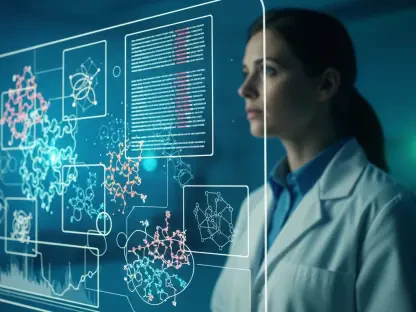
The integration of advanced genomics has fundamentally altered the diagnostic process in oncology, moving it away from a focus on the organ of origin and toward a focus on genetic signatures. Through next-generation sequencing, medical professionals can now analyze thousands of genes simultaneously to identify the specific mutations driving a patient’s cancer. This information allows doctors to categorize tumors by their molecular behavior, leading to the use of “tissue-agnostic” drugs that are effective against a specific mutation regardless of whether the cancer is in the lung, colon, or skin. This shift has turned the practice of oncology into a high-tech data science, where massive databases of genetic information are used to predict how a tumor will respond to different therapies. By understanding the “why” of cancer at a molecular level, the medical community can avoid the trial and error approach that often plagued older treatment models, ensuring that every patient gets the right drug at the right time.
One of the most promising developments in this genomic frontier is the advent of liquid biopsies, which allow doctors to detect cancer-related DNA fragments in a simple blood sample. These tests offer a non-invasive way to monitor a patient’s response to treatment and can often identify signs of a recurrence months before they would be visible on a traditional CT scan or MRI. This early warning system allows for faster adjustments to treatment plans, potentially catching the disease before it has a chance to spread further. Additionally, genomic testing can help identify patients who may be eligible for specific clinical trials, connecting them with the most innovative therapies currently under development. The move toward a purely molecular understanding of cancer is also helping researchers understand why some patients develop resistance to treatment, leading to the creation of new drugs that can bypass these biological hurdles. This level of insight is the ultimate goal of precision medicine, where the biological blueprint of the disease dictates every aspect of care.
Emerging Technologies and Future Modalities
The future of cancer care is being shaped by a wave of emerging technologies that offer new ways to visualize, target, and destroy malignant cells. Photodynamic therapy is one such innovation, utilizing light-sensitive compounds that, when activated by specific wavelengths of laser light, produce a form of oxygen that kills nearby cancer cells. This method is particularly useful for treating superficial cancers or those located on the lining of internal organs, as it provides a highly localized effect with minimal impact on deeper tissues. Another exciting field is oncolytic virus therapy, where viruses are genetically engineered to selectively infect and rupture cancer cells. When these cells burst, they release tumor antigens that alert the immune system to the presence of the cancer, creating a dual effect of direct viral destruction and an activated immune response. These “smart” viruses represent a sophisticated fusion of virology and immunology that is opening new doors for difficult to treat tumors.
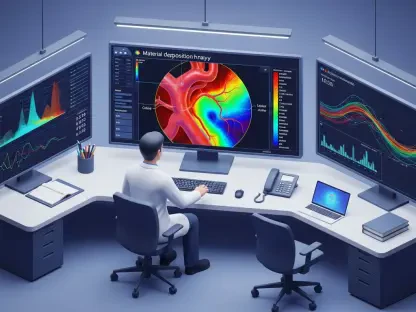
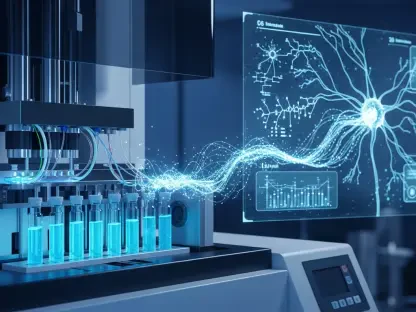
Nanotechnology is also playing an increasingly central role in the evolution of cancer treatment, with researchers developing sub-microscopic particles that can navigate the bloodstream to deliver drugs directly to a tumor site. These nanoparticles can be designed to release their therapeutic payload only when they encounter the specific chemical environment of a tumor, such as its unique acidity or temperature. This targeted delivery allows for the use of much higher concentrations of medication while protecting the rest of the body from systemic toxicity, potentially overcoming the limitations of traditional chemotherapy. Furthermore, advances in artificial intelligence are being used to analyze complex medical images and genomic data, helping oncologists to identify patterns and predict treatment outcomes with unprecedented accuracy. These high-tech tools are not intended to replace human judgment but to augment it, providing a level of data-driven insight that was previously impossible. As these technologies continue to move from the laboratory to the clinic, they are providing a diverse range of new options for patients facing a diagnosis.
The Importance of Supportive Care and Clinical Trials
Modern oncology has increasingly recognized that effective treatment involves more than just addressing the biological presence of a tumor; it requires a comprehensive focus on the whole person. Palliative care, once reserved for the final stages of life, is now integrated into the treatment process from the moment of diagnosis to manage pain, nausea, and emotional distress. Studies have consistently shown that patients who receive this type of supportive care alongside their primary treatments have better clinical outcomes and a higher quality of life. This holistic approach includes everything from nutritional counseling and physical therapy to psychological support and mindfulness programs, all of which help the patient maintain the strength and resilience needed to complete their therapy. By treating the symptoms and side effects as aggressively as the cancer itself, medical teams are able to ensure that the patient’s journey is as comfortable and dignified as possible.
Clinical trials remain the fundamental engine of progress in oncology, serving as the bridge between laboratory discoveries and the new standards of care. These trials allow patients to access the most advanced therapies often years before they are available to the general public, while also providing the data needed to prove their safety and effectiveness. Innovative trial designs, such as basket and umbrella trials, allow researchers to test a single drug across multiple cancer types based on shared genetic mutations, significantly accelerating the pace of medical discovery. For many patients with rare or advanced cancers, a clinical trial represents the best opportunity for a successful outcome. The move toward a more patient-centered trial process, where travel and monitoring are made more accessible through digital health tools, is helping to diversify the populations involved in research. This ensures that the next generation of cancer treatments is effective for everyone, regardless of their background or location, and keeps the field moving forward at a rapid pace.
Addressing Global Challenges and Equity
Despite the technological marvels of contemporary oncology, the global community faces a significant challenge in ensuring that these advancements are accessible to all patients, regardless of their geographic or economic circumstances. Currently, a disproportionate number of cancer deaths occur in low and middle income countries where access to even basic surgical care or essential medications is severely limited. Bridging this equity gap has become a primary focus for international health organizations, which are working to develop cost-effective screening programs and streamline the delivery of life-saving treatments. This includes the implementation of vaccination programs for cancer-causing viruses, such as HPV, which can virtually eliminate certain types of cancer if widely administered. Addressing these disparities is not just a matter of social justice but a public health necessity, as the global burden of cancer continues to rise in developing regions.
The future of global oncology depends on a balanced approach that combines high-tech innovation with the widespread implementation of preventative health measures and early detection strategies. Routine screenings like mammograms, colonoscopies, and lung CT scans remain the most effective tools for catching cancer at a stage when it is still highly treatable. Educating the public about the importance of these screenings and the lifestyle factors that contribute to cancer risk, such as tobacco use and environmental exposures, is essential for reducing the overall incidence of the disease. By combining the power of precision medicine with a renewed commitment to equitable access and prevention, the medical community is moving toward a future where a cancer diagnosis is no longer a cause for despair but a manageable challenge. The ongoing integration of global data and collaborative research ensures that a breakthrough in one part of the world can quickly lead to improved care for patients everywhere, creating a unified front in the fight against this complex disease.
The medical community successfully navigated the transition toward precision-based oncology through a combination of genomic research and integrated care models. Significant increases in survival rates were documented as clinical teams moved away from standardized protocols and toward highly individualized treatment pathways. This evolution allowed for a more strategic application of surgery, radiation, and systemic therapies, which resulted in a marked reduction in the long-term toxicity traditionally associated with cancer care. The implementation of digital monitoring and liquid biopsies provided the necessary infrastructure for early detection and rapid intervention, ensuring that recurrences were addressed before they became life-threatening. These efforts collectiveley fostered a healthcare environment where the focus remained on both the curative potential of the treatment and the overall well-being of the patient throughout their survivorship.
Looking ahead, the most critical next step for the industry involves the widespread democratization of these advanced technologies to ensure that the benefits of precision medicine reach underserved populations. This will require a coordinated effort to reduce the cost of genetic sequencing and cellular therapies, alongside the expansion of clinical trial access to a more diverse range of participants. Healthcare systems must also prioritize the development of robust preventative infrastructure, emphasizing the role of early screening and vaccination as the most effective defense against rising cancer rates. By maintaining a focus on both high-tech innovation and global health equity, the field of oncology is positioned to transform the landscape of cancer from one of acute crisis to one of manageable, long-term health. The continued synthesis of biological insights and technological delivery will remain the primary driver of progress in this ongoing medical mission.