
Today we’re speaking with Ivan Kairatov, a biopharma expert with deep insights into the technological innovations shaping modern medicine. We’ll be delving into a remarkable breakthrough in oncology: a new, highly targeted procedure for treating metastatic uveal melanoma, a rare and aggressive eye cancer that often spreads to the liver. Our conversation will explore the intricate mechanics of this whole-organ chemotherapy, the complex coordination required by medical teams to deliver it, and what this advancement means for patient outcomes and the future of cancer therapy. We will also touch on the clinical data that supports its use and the challenges preventing its widespread adoption.
The Hepzato Kit offers a novel way to deliver high-dose chemotherapy directly to the liver. Could you walk us through the key steps of this percutaneous hepatic perfusion procedure and explain what makes it so different from traditional systemic chemotherapy for these patients?
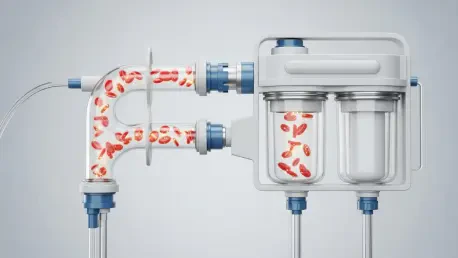
Absolutely. This procedure, known as percutaneous hepatic perfusion or PHP, is a feat of medical engineering. Imagine temporarily isolating an entire organ from the rest of the body’s circulation. That’s essentially what happens. Using advanced imaging, an interventional radiologist guides a specialized double-balloon catheter into the inferior vena cava, the body’s main vein. These balloons inflate to effectively wall off the liver’s blood vessels. The patient is then put on a veno-venous bypass circuit. For a full 30 minutes, a very high dose of the chemotherapy drug melphalan is infused directly into the hepatic artery, saturating the entire liver. The blood leaving the liver is then siphoned off, sent through an external filtration system that removes the potent drug, and then returned safely to the patient. This is a world away from systemic chemotherapy, which floods the entire body with toxins to hopefully reach the cancer, causing widespread side effects. Here, we’re delivering a knockout punch directly to the tumor’s stronghold while shielding the rest of the body from the blow.
This procedure involves a highly specialized team, including surgical oncologists, interventional radiologists, and perfusionists. Can you describe how these different experts coordinate during the treatment and what challenges a medical center must overcome to successfully launch a program like this?
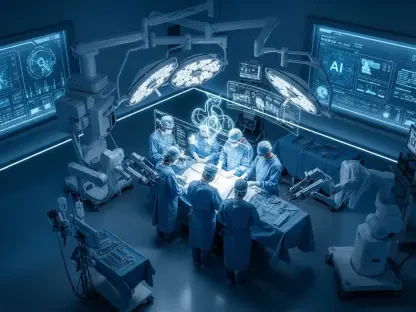
The coordination is like a symphony; every musician must be perfectly in sync. The surgical oncologist often leads the overall strategy, identifying the right patient and managing their cancer journey. In the procedure room, the interventional radiologist becomes the navigator, using fluoroscopic imaging to precisely place the catheters that isolate the liver—a task requiring immense skill. The anesthesiologist’s role is critical in keeping the patient stable throughout this complex process. And then you have the perfusionists, the experts who manage the entire extracorporeal circuit—the bypass and filtration system that is the heart of this therapy. Launching a program like this is a massive undertaking for a hospital. It requires not just acquiring the technology, but also assembling and exhaustively training this multidisciplinary team. They need to develop seamless protocols and communication, which is why you see this therapy offered in fewer than three dozen highly specialized centers. It’s a significant investment in infrastructure and, more importantly, in collaborative human expertise.
Since tumors spread to the liver in up to 90% of metastatic uveal melanoma cases, this therapy seems crucial. What does the ideal patient candidate look like, and could you describe the typical patient experience from consultation through the 24-hour post-procedure monitoring period?
This is a critical point because the therapy, while powerful, isn’t for everyone. The ideal candidate is someone who is physically fit enough to handle the procedure and has adequate liver function to begin with. The cancer, while present throughout the liver, shouldn’t involve more than 50% of the organ. Following a detailed multidisciplinary review, the patient comes in for the treatment. After the procedure, which involves that 30-minute high-dose infusion, they are monitored very closely for up to 24 hours. The main concerns are potential complications like bleeding or a drop in blood counts, which the team watches for vigilantly. But what’s truly remarkable is the recovery. Most patients are able to resume their normal activities within just 48 hours. This treatment can be repeated up to six times, typically every six to eight weeks, giving them a powerful tool to control the disease.
Clinical data showed an 80% one-year survival rate, with over a third of patients experiencing tumor shrinkage. How do these outcomes compare to previous liver-directed options, and what does improving “progression-free survival” practically mean for a patient’s day-to-day life and overall prognosis?
These outcomes are genuinely exciting and represent a significant step forward. The FOCUS trial data is quite compelling: 36.3% of patients saw their tumors shrink, and for 7.7% of them, the liver lesions disappeared completely—a complete response. An 80% survival rate at one year is a very strong signal of efficacy. Previous liver-directed therapies were often limited because they could only treat one segment of the liver at a time, which is like playing whack-a-mole with a widespread disease. This treats the whole organ. For a patient, improving “progression-free survival” is everything. It means the cancer is being held in check. It’s the gift of time—more time feeling well, more time to spend with family, and more time for the next scientific breakthrough to emerge. It’s about turning a rapidly advancing disease into a more manageable condition, improving not just longevity but the quality of that life.
This therapy is currently available in fewer than three dozen U.S. centers and is being considered for other cancers like metastatic breast cancer. What are the primary logistical and training barriers to wider adoption, and what potential do you see for this whole-organ approach?
The primary barrier is complexity. This isn’t a drug you can just prescribe; it’s an intricate, device-based procedure that demands a high level of institutional commitment. A center needs to invest in the equipment, but more importantly, it must build and train a dedicated, synchronized team of specialists—surgical oncologists, interventional radiologists, perfusionists, and anesthesiologists. There’s also a strict risk evaluation and mitigation strategy, or REMS program, mandated by the FDA, which ensures only qualified centers can offer it. Despite these hurdles, the potential is enormous. We’re seeing plans to explore this for other cancers that heavily metastasize to the liver, like certain breast and colorectal cancers. This whole-organ perfusion concept could become a new pillar of treatment, allowing us to deliver therapies in concentrations we never thought possible, right where they’re needed most.
What is your forecast for the treatment of rare and metastatic cancers over the next decade?
I believe we are on the cusp of a paradigm shift, moving away from a one-size-fits-all approach toward highly personalized and localized therapies. The next decade will be defined by this kind of innovation—not just smarter drugs, but smarter ways of delivering them. We’ll see more therapies like this one, which combine pharmacology with sophisticated medical devices to maximize impact on the tumor while minimizing harm to the patient. For rare and metastatic cancers, this means transforming diseases that were once untreatable into chronic, manageable conditions. The future is about creating more opportunities for patients—more effective treatments, more time, and ultimately, more hope. Technologies that can isolate a problem and solve it with precision, like the one we’ve discussed today, will be at the very forefront of that movement.