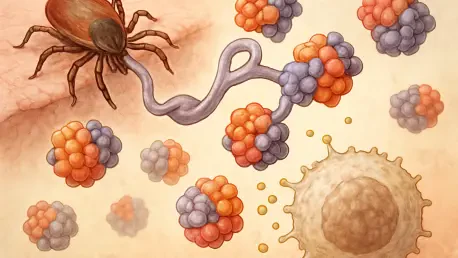

The relentless evolutionary pressure on blood-feeding parasites has resulted in the development of sophisticated biochemical tools that effectively silence the host’s inflammatory alarms. These tools, known as evasins, represent a specialized class of proteins found in tick saliva. For decades, the pharmaceutical industry has struggled to manage chronic inflammation because the human immune system utilizes a redundant and complex network of signaling proteins called chemokines. While traditional drug discovery focused on blocking a single receptor, nature took a different path. Ticks evolved evasins to bind directly to the chemokines themselves, neutralizing the message before it ever reaches its destination. This shift from receptor-level interference to ligand-level neutralization marks a turning point in how researchers approach autoimmune and inflammatory conditions.
Evolution of Evasin Research and the Role of Chemokines
The emergence of evasin research is deeply rooted in the study of chemokine biology, where these small signaling proteins act as the primary drivers of leukocyte recruitment. In a healthy body, chemokines are vital for directing white blood cells to sites of infection; however, in chronic diseases, this process becomes dysregulated. The immune system essentially enters a feedback loop of perpetual recruitment, leading to tissue damage and systemic inflammation. Previous attempts to interrupt this cycle often failed because the human body produces nearly fifty different chemokines that can overlap in function. If a drug blocks one pathway, the immune system simply utilizes another, rendering the treatment ineffective over time.
Evasins emerged as a compelling solution to this redundancy. By studying how ticks successfully feed for days without triggering a host response, scientists identified these proteins as “chemokine sponges.” Unlike synthetic inhibitors that must be meticulously engineered to fit a specific pocket, evasins have evolved a broad-spectrum affinity for their targets. This biological context is crucial because it suggests that instead of fighting the complexity of the immune system with more complex chemistry, medicine can leverage the elegant simplicity of parasitic survival strategies to achieve more durable therapeutic outcomes.
Structural and Functional Mechanics of Tick-Derived Proteins
The Biological Cloaking Mechanism: How Evasins Silence Alarms
The primary functional advantage of evasins lies in their ability to act as a biological cloak, physically wrapping around chemokine molecules to prevent them from interacting with their respective receptors. This mechanism is fundamentally different from monoclonal antibodies or small-molecule inhibitors. While those technologies typically target a single epitope or binding site, the structural flexibility of an evasin allows it to “engulf” the signaling protein. This total sequestration ensures that the chemokine cannot trigger any downstream inflammatory response, effectively making the intruder invisible to the host’s cellular defenses.
Furthermore, the performance of this cloaking mechanism is defined by its incredibly high binding affinity. In laboratory settings, evasins have demonstrated the ability to outcompete natural receptors for their ligands, even at low concentrations. This suggests that these proteins are not just passive inhibitors but active seekers of inflammatory signals. By removing the “scent” of inflammation from the local environment, evasins provide a level of control over the immune microenvironment that current clinical standards struggle to replicate, particularly in localized conditions like ocular inflammation or skin disorders.
Dual-Action CC and CXC Class Inhibition: A Technical Breakthrough
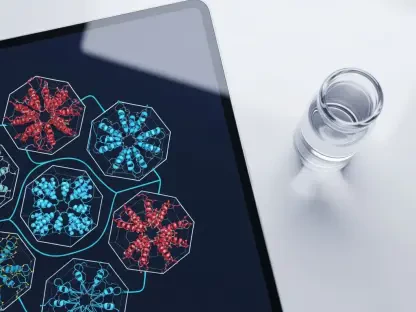
A major limitation in early chemokine research was the distinct separation between the CC and CXC classes of signaling proteins, which regulate different types of immune cells. Traditionally, an inhibitor that worked against CC chemokines would have no effect on the CXC class, necessitating a “cocktail” approach to treatment that increased the risk of side effects and metabolic toxicity. However, recent structural analysis of tick-derived proteins has revealed a revolutionary dual-action capability. Certain evolved evasins possess unique molecular architectures that allow them to bind to conserved regions across both major classes, providing a single-molecule solution to a multi-pathway problem.
This dual-action inhibition is significant because it addresses the inherent redundancy of the human immune system. By neutralizing a wider array of signals with a single protein, these therapeutics can suppress complex inflammatory profiles that were previously untreatable. This unique implementation simplifies the pharmacological profile of the drug while maximizing its impact on the disease state. It represents a shift from “precision” targeting—which often misses the forest for the trees—toward a more holistic “landscape” neutralization that effectively shuts down the entire inflammatory front.
Current Developments in Broad-Acting Evasin Discovery
The current landscape of evasin discovery has moved beyond simple observation into the realm of high-throughput genomic and structural screening. Researchers are now using advanced mapping techniques to identify “super-evasins” from thousands of tick species, seeking those with the broadest possible inhibitory profiles. This trend is driven by the realization that the diversity of tick species offers a library of ready-made therapeutics that have already passed the ultimate test of efficacy: survival in a hostile host environment.
Moreover, the shift toward computational modeling has allowed scientists to “trim” these proteins down to their essential binding domains. This modernization of the technology reduces the risk of the host immune system recognizing the evasin as a foreign invader, which has been a historical hurdle for animal-derived biologics. By refining the natural template through synthetic biology, the industry is creating a new class of hybrid molecules that combine the robust binding of tick proteins with the safety profiles required for human administration.
Therapeutic Implementations Across Medical Sectors
In the clinical sector, evasin technology is finding its most promising applications in diseases characterized by “chemokine storms” or high-redundancy inflammation. In neurology, for instance, these proteins are being explored as a way to halt the progression of multiple sclerosis by preventing immune cells from crossing the blood-brain barrier. Because MS involves a complex mix of signaling molecules, the broad-acting nature of evasins provides a more comprehensive shield than existing therapies that only target a single cell type or receptor.
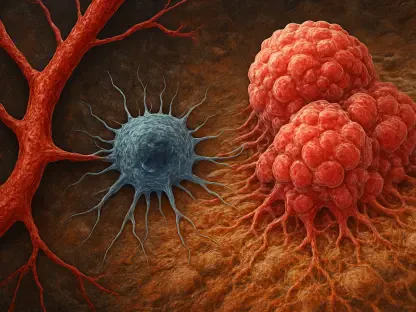
Beyond autoimmune disorders, the oncology sector is investigating evasins as a means to modify the tumor microenvironment. Many tumors “hijack” chemokines to recruit cells that suppress the immune system, effectively creating a protective shield around the malignancy. By deploying evasins to neutralize these signals, clinicians may be able to “uncloak” the tumor, making it vulnerable to the body’s natural defenses or to concurrent immunotherapy treatments. This versatility across medical sectors highlights the potential for evasins to move from a niche biological curiosity to a foundational pillar of modern pharmacology.
Challenges in Pharmacological Translation and Regulatory Hurdles
Despite the technical prowess of these proteins, the path toward widespread adoption is fraught with pharmacological challenges, primarily concerning immunogenicity. Because evasins are derived from non-human sources, the human immune system may develop neutralizing antibodies against the drug itself, rendering the treatment useless over repeated doses. Mitigating this limitation requires sophisticated “humanization” of the protein sequences, a process that must be done carefully to avoid losing the high binding affinity that makes the tick protein valuable in the first place.
Regulatory hurdles also pose a significant obstacle, as current frameworks for biologic approval are often designed for molecules with a single, clear target. The broad-acting nature of evasins—which might bind to ten or twenty different chemokines—complicates the traditional pharmacokinetic and pharmacodynamic modeling required by agencies like the FDA. Demonstrating that a multi-target protein is safe and does not cause unintended systemic immune suppression remains a major focus of ongoing clinical trials. Companies must prove that while these drugs silence the “bad” inflammation, they do not leave the patient dangerously susceptible to common infections.
Future Outlook for Evolutionary-Based Bio-Therapeutics
The trajectory of evasin development suggests a future where drug discovery is increasingly dictated by evolutionary biology rather than trial-and-error chemistry. We are likely to see the emergence of “designer evasins” that are programmed to target specific subsets of chemokines tailored to an individual’s unique inflammatory profile. This move toward personalized immunology would represent the ultimate evolution of the technology, combining the broad-spectrum power of tick proteins with the precision of modern diagnostic tools.
Furthermore, the long-term impact of this technology may extend into the realm of preventative medicine. As our understanding of the “inflammaging” process—the low-grade chronic inflammation associated with aging—deepens, evasins could be utilized in low-dose, targeted applications to preserve organ function and delay the onset of age-related diseases. This shift from reactive treatment to proactive immune management could redefine the standard of care for chronic conditions over the next decade.
Assessment of Evasins as Next-Generation Anti-Inflammatories
The review of tick-derived evasin technology demonstrated that nature’s approach to immune suppression offered a level of sophistication that synthetic chemistry has yet to match. By focusing on the direct neutralization of chemokines, these proteins bypassed the redundancy of the host’s signaling pathways, providing a more effective means of controlling chronic inflammation. The discovery of dual-action inhibitors further solidified the position of evasins as a unique and powerful alternative to traditional biologics, offering a single-molecule solution to complex disease states.
The transition from parasitic survival mechanism to human therapeutic was not without its complications, particularly regarding the need to balance broad efficacy with the risk of immunogenicity. However, the synthesis of evolutionary biology and modern protein engineering provided a clear path forward. As these molecules moved through clinical pipelines, they represented a significant advancement in the pharmaceutical landscape. The assessment of the technology confirmed that evasins were not merely a temporary innovation but a foundational shift in immunological therapy that offered long-term potential for improving patient outcomes across a wide spectrum of inflammatory diseases.