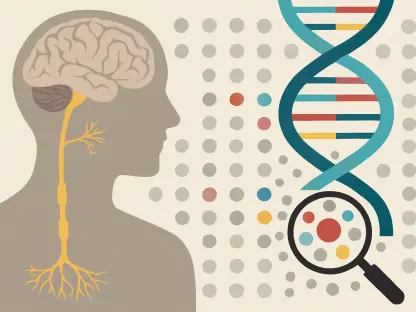

A single inhalation of nicotine might be functioning as a catastrophic long-distance telegram sent from the delicate tissue of the lungs directly to the most sensitive regions of the human brain. For decades, the medical community viewed smoking-related cognitive decline primarily as a slow starvation of the brain, a byproduct of damaged blood vessels and restricted oxygen flow. However, recent scientific breakthroughs have overturned this “clogged pipes” theory, revealing a sophisticated and far more aggressive communication network now identified as the lung-brain axis. This discovery suggests that the lungs are not merely passive filters for respiration but are active signaling hubs that, when triggered by nicotine, orchestrate the premature death of healthy neurons.
This shift in understanding illuminates why even occasional exposure to nicotine can have such profound effects on mental clarity and long-term neurological health. Instead of waiting for years of vascular decay to take their toll, the brain begins receiving destructive signals almost immediately after the lungs encounter the substance. This direct line of communication explains the rapid onset of certain cognitive impairments that were previously attributed to aging or general poor health.
Beyond the Smoker’s Cough: The Hidden Neural Cost of Nicotine
The impact of nicotine extends far beyond the well-known risks of respiratory disease and lung cancer, reaching deep into the architecture of the central nervous system. While the “smoker’s cough” remains a visible hallmark of tobacco use, the hidden neural cost is often far more debilitating, leading to a significant acceleration of cognitive aging. Modern research indicates that the brain is exceptionally vulnerable to the chemical signals generated in the pulmonary environment, creating a vulnerability that persists long after the smoke has cleared.
This neurological toll manifests as a decline in executive function, memory retention, and processing speed, creating a physiological bridge between lung health and mental acuity. By viewing nicotine as a neurotoxin that utilizes the lungs as a launchpad, scientists have begun to treat cognitive decline not as an isolated cranial issue, but as a systemic failure triggered by inhaled stimulants. This broader perspective highlights the necessity of protecting the lungs to safeguard the mind, reinforcing the idea that every organ in the body is part of a delicate, interconnected web.
From Vascular Damage to Active Miscommunication
The correlation between tobacco use and neurodegeneration is well-documented; a landmark study from 2011 demonstrated that heavy smokers in midlife face double the risk of developing Alzheimer’s and vascular dementia later on. While these statistics provided a clear warning, the biological “why” behind the data remained a mystery for years. Researchers at the University of Chicago recently bridged this gap by exploring the molecular dialogue between distant organs, shifting the scientific focus from systemic respiratory failure toward a specific, toxic signaling pathway.
This new research illustrates how inhaled toxins act as a catalyst for chemical chaos within the central nervous system through active miscommunication. Rather than the brain simply wearing out due to a lack of nutrients, it is being actively misled by signals originating in the lungs. This distinction is crucial because it moves the target of medical intervention from the circulatory system to the cellular messengers that carry these destructive instructions across the body’s internal landscape.
The Lung-Brain Axis: How PNECs and Exosomes Relay the Damage
The mechanism of this damage centers on pulmonary neuroendocrine cells (PNECs), a rare group comprising less than 1% of the total lung cell population. These cells function as both sensors and communicators, bridging the gap between the respiratory and nervous systems. When these cells encounter nicotine, they release microscopic transport vesicles called exosomes, which act as biological envelopes filled with molecular instructions intended to alter the behavior of distant tissues.
These exosomes are specifically enriched with serotransferrin—a protein primarily responsible for managing iron levels in the blood. They travel through the body and deliver a “false signal” regarding iron status, effectively lying to the brain about its internal environment. This misinformation is carried via the vagus nerve, the body’s primary neural highway, allowing the lungs to bypass traditional barriers and exert direct influence over the brain’s delicate chemical balance.
The Molecular Aftermath: Iron Dyshomeostasis and Ferroptosis
Findings published in Science Advances highlight the devastating impact of this iron signaling disruption once it reaches the cranial vault. When the nicotine-induced exosomes reach the brain, they trigger a state of iron dyshomeostasis, which leads to severe oxidative stress and mitochondrial failure within neurons. This process significantly increases the expression of α-synuclein, a protein synonymous with the development of Parkinson’s and Alzheimer’s diseases, effectively seeding the brain with the precursors of permanent decay.
The culmination of this process is ferroptosis, a specialized form of iron-dependent cell death that differs from standard cellular recycling. By utilizing human pluripotent stem cells to create induced PNECs, researchers confirmed that this destructive cascade occurs independently of traditional vascular damage. This molecular roadmap proves that nicotine can kill brain cells through a direct signaling pathway, providing a clear explanation for the cognitive decline observed in even those smokers without obvious heart or lung disease.
Therapeutic Implications and the Future of Brain Protection
The identification of this specific lung-to-brain pathway established a new framework for preventative medicine and the treatment of addiction-related neural damage. Since the destruction was driven by identifiable messengers—specifically exosomes and serotransferrin—medical science shifted toward intercepting these signals before they reached the nervous system. This approach allowed for the development of targeted therapies that could potentially silence the “false signals” generated in the lungs, offering a secondary layer of protection for individuals struggling with nicotine dependency or exposure to environmental pollutants.
Researchers also utilized these findings to issue critical warnings regarding modern nicotine delivery systems like vaping, which often bypassed traditional toxins but still triggered the same destructive lung-brain signaling. The focus moved toward pharmacological interventions that inhibited the release of PNEC-derived vesicles, providing a proactive solution to neuroprotection. By decoupling nicotine intake from its most severe neurological consequences, the medical community moved toward a future where the lung-brain axis could be monitored and managed as a vital component of long-term cognitive health.