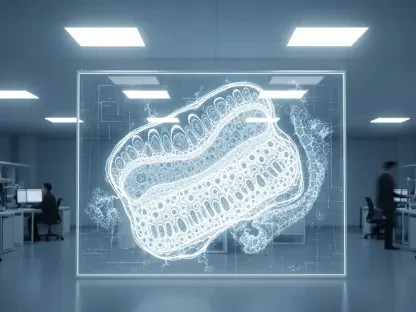

Scientists at NYU Langone Health have identified a startling concentration of microplastic particles within human prostate tissue, suggesting that environmental pollutants may play a more direct role in oncogenesis than previously understood. This landmark investigation, conducted through the Perlmutter Cancer Center and the Center for the Investigation of Environmental Hazards, has successfully mapped the presence of microscopic plastic fragments in both malignant and benign tissues. Given that prostate cancer continues to be the most frequently diagnosed form of cancer among men in the United States, the discovery of a pervasive environmental factor adds a critical dimension to our understanding of the disease. The study specifically highlights how these synthetic materials, once thought to be inert as they pass through the body, may actually accumulate in specific organs. By identifying these modern triggers, researchers are opening a new frontier in preventative medicine that focuses on the long-term impact of the global plastic crisis on internal human biology and the risk of developing life-threatening malignancies.
Advanced Methodology and Contamination Prevention
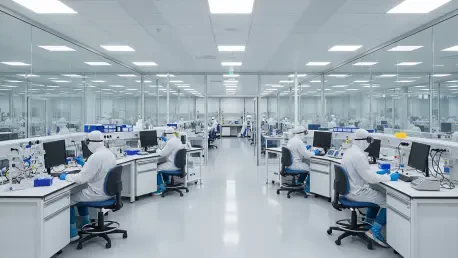
To ensure the absolute integrity of the data, the research team implemented an exceptionally rigorous methodological framework designed to eliminate any possibility of external plastic contamination. Recognizing that plastic is an ubiquitous presence in modern medical facilities, from surgical gloves to storage containers, the scientists replaced conventional tools with specialized alternatives made from aluminum, glass, and organic cotton. All tissue processing and analysis occurred within high-tech clean rooms, which are controlled environments equipped with advanced filtration systems to remove airborne microfibers and dust. This level of precision was necessary to confirm that the polymers detected were genuinely embedded within the patient’s prostate tissue rather than introduced during the biopsy or surgical removal process. Such meticulous standards provide a high degree of confidence in the findings, effectively addressing the primary skepticism often directed toward environmental studies involving microscopic particles. This approach sets a new benchmark for future toxicological research.
The analysis utilized sophisticated chemical imaging and laser-based spectroscopy to audit the tissue samples for twelve of the most common polymer types found in the global environment today. These technologies allowed the researchers to visualize the exact placement of particles within the cellular architecture of the prostate. The results revealed a stark disparity between healthy and diseased samples, as microplastics were detected in 90% of the cancerous tumor samples compared to only 70% of the benign tissue. Furthermore, the quantitative data showed that malignant tumors contained an average of 40 micrograms of plastic per gram of tissue, while healthy areas contained only 16 micrograms. This indicates that cancerous tissue harbors roughly 2.5 times the concentration of plastic fragments found in non-malignant tissue. The significant statistical correlation between high plastic density and the presence of aggressive cancer cells suggests that these particles may be actively involved in the pathological transformation of the organ rather than being mere bystanders.
Biological Impact and Inflammatory Responses
The primary biological concern arising from this discovery centers on the body’s inability to break down synthetic polymers, which leads to a state of persistent physiological stress. When these foreign micro-particles become lodged within the delicate glandular structure of the prostate, they are recognized by the immune system as invasive threats that cannot be neutralized or expelled. This triggers a chronic, low-grade inflammatory response as the body’s natural defenses continuously attempt to attack the indestructible fragments. Over a period of years or even decades, this localized inflammation creates a toxic microenvironment characterized by the overproduction of reactive oxygen species and other inflammatory markers. Such a volatile internal climate is known to be a significant driver of cellular damage, as it places constant pressure on the surrounding healthy cells. By serving as a permanent physical irritant, these microplastics may effectively turn the prostate into a site of ongoing immunological conflict, which provides a fertile ground for the development of tumors.
Beyond the immediate inflammatory response, the physical presence of these plastic fragments may cause direct mechanical damage to the cellular structures and genomic material within the prostate. As cells attempt to divide and replicate in an environment crowded with rigid synthetic debris, the risk of genetic mutations increases significantly. These mutations can disrupt the normal regulatory signals that prevent uncontrolled cell growth, eventually facilitating the transition from healthy tissue to malignant clusters. Researchers are investigating how certain chemical additives used in plastic manufacturing, such as endocrine disruptors, might leach into the tissue and further exacerbate these genetic instabilities. The combination of physical irritation and chemical leaching creates a multi-layered threat to cellular health, suggesting that the risk is not just about the plastic itself but the complex cocktail of toxins it carries. This interaction between synthetic materials and human DNA represents a critical shift in oncological theory, placing environmental exposure at the center of cancer research.
Future Research and Regulatory Implications
While the findings from NYU Langone represent a major breakthrough, the scientific community acknowledges that this pilot study is the foundation for much larger and more diverse longitudinal investigations. Future research initiatives must expand to include larger patient cohorts from varied geographic and socioeconomic backgrounds to determine if certain populations are at a higher risk due to their specific environments or lifestyles. There is also a pressing need to investigate how microplastic accumulation interacts with hormonal signaling, particularly testosterone and estrogen levels, which are known to play a pivotal role in the progression of prostate diseases. Scientists are looking toward developing new diagnostic tools that can detect microplastic levels in living patients through non-invasive means, such as blood or urine tests. Understanding the specific pathways—whether through the consumption of bottled water, the inhalation of synthetic fibers, or the use of plastic-packaged food—is the next essential step in mitigating these risks.
In light of these discoveries, the focus shifted toward actionable public health policies and personal lifestyle adjustments to reduce the overall plastic load within the human body. Regulatory bodies were encouraged to accelerate the phase-out of single-use plastics and implement stricter filtration standards for public drinking water systems to minimize ingestion. On an individual level, experts recommended transitioning away from plastic food containers and synthetic textiles in favor of natural materials like glass, stainless steel, and cotton. The medical community began advocating for a more holistic approach to cancer screening that accounts for environmental exposure history alongside traditional genetic risk factors. These steps were taken to address the reality that synthetic pollutants have become an integral part of our biological landscape. By prioritizing the reduction of microplastic contact, society moved toward a more proactive stance in defending human health against the silent but pervasive threat of environmental contamination in an increasingly industrialized world.