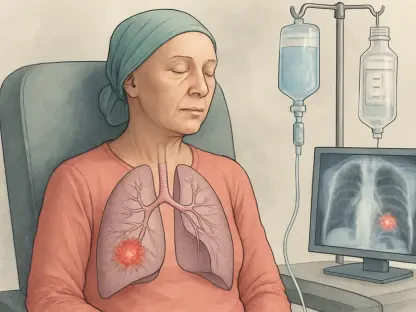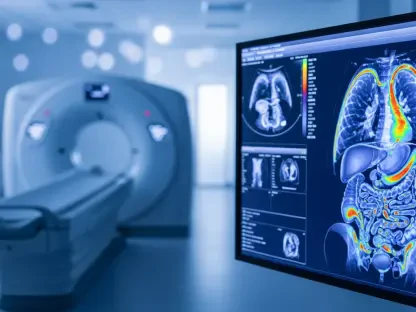

Can a newly discovered genetic syndrome completely reshape how cancer is treated? The emergence of DIAL syndrome, which impairs DNA repair mechanisms and elevates cancer risk, presents that possibility, stirring curiosity among researchers and medical professionals. The revelation raises an

In today's interview, we have the pleasure of speaking with Ivan Kairatov, a biopharma expert renowned for his expertise in technology and innovation within the industry. With extensive experience in research and development, Ivan provides invaluable insights into the current challenges and

Heart failure is emerging as a critical battlefield in modern medicine, with a striking gap in specialist care endangering patient survival. While cancer patients routinely receive oncological consultations, heart failure patients often lack consistent access to cardiologists. Research by French

Breast cancer remains the leading cancer diagnosis in women globally, presenting significant challenges due to its heterogeneity and biological complexity. This diversity in tumor types and characteristics demands innovative therapeutic approaches beyond traditional treatments. In recent years,

Imagine facing a life-threatening illness only to find that your race determines the quality of treatment you receive. This scenario, unthinkable to many, is a stark reality for individuals battling metastatic prostate cancer. However, recent groundbreaking research offers new avenues to overcome

In recent years, advancements in allergy treatment have shifted towards a comprehensive understanding of immunological components that drive allergic reactions, particularly IgE antibodies. As allergens infiltrate the body, IgE antibodies are produced by white blood cells, instigating a cascade of