
In a nation where thousands of lives hang in the balance awaiting organ transplants, the U.S. system has long been plagued by systemic failures that have eroded public confidence. Reports of operational flaws, lack of accountability, and even shocking practices—such as initiating organ donation
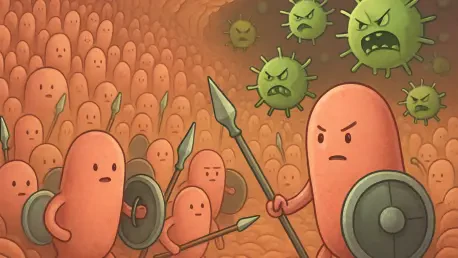
Imagine a hidden battlefield within the human body, where trillions of microscopic organisms wage a constant war for dominance, directly impacting health and well-being in ways science is only beginning to understand. The gut, often referred to as the body's second brain, hosts a complex ecosystem

Imagine a diagnosis of advanced kidney cancer, a condition once considered a near-certain death sentence due to limited treatment options, but today, groundbreaking research has shifted this narrative, offering renewed hope to thousands of patients worldwide. The focus of this progress lies in a
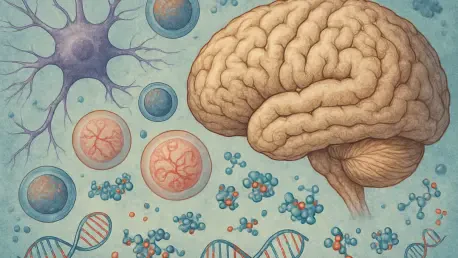
In a remarkable stride toward understanding the intricacies of brain aging, Stanford researchers have unveiled critical molecular insights through a study published in Science on July 30, offering new hope for future treatments. Under the leadership of Judith Frydman, the Donald Kennedy Chair in
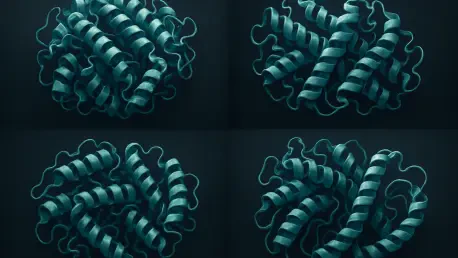
In a stunning turn of events, a transformative study has shattered long-standing assumptions about the fragility of proteins, revealing them to be far more resilient than the scientific community ever imagined, fundamentally changing our understanding of biological structures. Published in Science
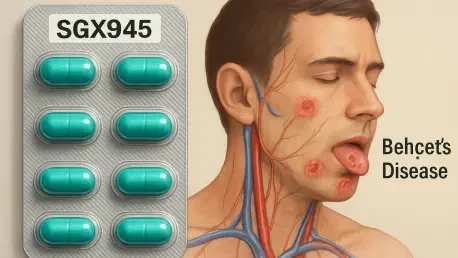
In the realm of rare diseases, Behçet's Disease stands out as a particularly challenging condition, marked by painful recurrent oral and skin ulcers that severely impact quality of life, leaving patients with limited treatment options for years. Often, they grapple with therapies that offer only