

Scientists have long sought to understand the various factors that contribute to the prevalence of cancer, and recent research has shed light on a surprising potential culprit: Escherichia coli (E. coli). A study conducted by researchers from the Wellcome Sanger Institute and the University of

Clinical research has long been a cornerstone of advancing medical science, characterized by a significant historical trajectory. Over decades, its momentum has increased with the advent of new knowledge and technologies, enabling the development of improved therapeutics. From the discoveries in
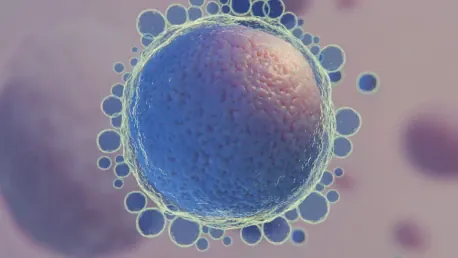
For lymphoma patients, particularly those facing relapsed or refractory large B cell lymphoma (LBCL), CAR T cell therapy represents a beacon of hope. This promising treatment, epitomized by Breyanzi (lisocabtagene maraleucel), offers a new avenue for those who have exhausted conventional treatment

In drug discovery and biological research, the scientist’s workflow often follows a structured and iterative approach to ensure accuracy, reproducibility, and scientific integrity. This comprehensive process involves multiple stages, each carefully designed to provide reliable data and meaningful

Cervical cancer, despite being largely preventable, continues to claim the lives of two women in the UK every day—a stark reminder of the ongoing battle against the disease. In a bid to change this grim statistic, NHS England has committed to an ambitious goal of eliminating cervical cancer by
Aging is a complex biological process that affects various cellular functions, including the behavior of stem cells. Recent research has shed light on how aging impacts iron homeostasis in lung stem cells, leading to a reduction in their tumorigenic potential. This article delves into the intricate