
The formidable challenge in modern oncology is not just eliminating cancerous cells, but dismantling the sophisticated biological fortresses that solid tumors construct to shield themselves from the body’s own immune system. While immunotherapy has revolutionized cancer treatment, its success against dense, solid masses like those found in gastric, lung, and liver cancer has been limited. These tumors create a hostile, immunosuppressive environment that deactivates or repels incoming immune cells, rendering many advanced treatments ineffective. The complex and costly process of engineering a patient’s immune cells externally in a lab—a hallmark of therapies like CAR-T—presents further logistical and financial barriers to widespread application. Now, a groundbreaking therapeutic strategy developed by researchers at the Korea Advanced Institute of Science and Technology (KAIST) introduces a paradigm-shifting approach: instead of creating cancer-fighting cells in a lab, this method generates them directly inside the tumor, turning the cancer’s own defenses against it.
Reprogramming the Enemy Within
A central obstacle in treating solid tumors is the treacherous “tumor microenvironment,” a complex ecosystem of cells and signaling molecules that cancer manipulates for its own survival. Within this environment, immune cells called tumor-associated macrophages (TAMs), which should be frontline defenders, are often co-opted by the cancer and reprogrammed to suppress immune responses and promote tumor growth. Conventional cell therapies attempt to bypass this by extracting other immune cells, such as T-cells, genetically modifying them outside the body to recognize cancer, multiplying them into a massive army, and then re-infusing them into the patient. This ex vivo process is not only exceptionally expensive and time-consuming but also faces the persistent challenge of getting these engineered cells to effectively penetrate the dense tumor tissue and function within its suppressive environment. This fundamental delivery and efficacy problem has severely limited the application of powerful immunotherapies against the most common types of solid cancers.
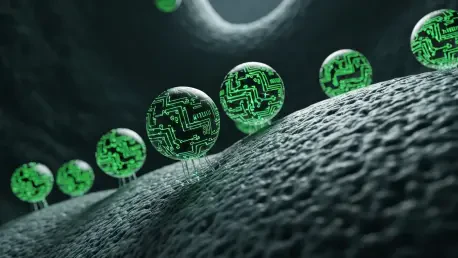
To circumvent these long-standing issues, the KAIST research team, spearheaded by Professor Ji-Ho Park, devised an elegant solution that works from within the tumor itself. Their novel method involves a therapeutic agent that is injected directly into the cancerous mass. This agent is built upon a platform of specially designed lipid nanoparticles, which are tiny, fatty spheres engineered to be readily absorbed by the macrophages already residing within the tumor. These nanoparticles serve as a sophisticated delivery vehicle, carrying two critical components. The first is messenger RNA (mRNA) that contains the genetic blueprint for Chimeric Antigen Receptor (CAR) proteins—specialized surface receptors that act like a targeting system, enabling the immune cell to recognize and bind to cancer cells. The second component is a powerful immunostimulant, a molecule designed to jolt the macrophages out of their suppressed state and reactivate their natural anti-tumor capabilities, ensuring the newly armed cells are ready for battle.
Activating an On-Site Anti-Cancer Army
Once the lipid nanoparticles are injected into the tumor and subsequently engulfed by the resident TAMs, a remarkable transformation begins on-site. The macrophages internalize the nanoparticles and process their contents. The delivered mRNA is translated by the cell’s own machinery, leading to the production of CAR proteins, which then travel to the cell’s surface and embed themselves in its membrane. This process effectively converts the once-complacent TAMs into “enhanced CAR-macrophages,” equipping them with the precise tools needed to identify and target malignant cells. Simultaneously, the co-delivered immunostimulant gets to work, reversing the suppressive signals from the tumor and activating the macrophages’ powerful phagocytic functions—their ability to engulf and digest other cells. This dual-action approach ensures that the cells are not only armed but also fully activated, turning a subverted immune population into a potent, localized anticancer force directly where it is needed most.
The impact of this in-situ reprogramming extends far beyond the individual macrophages. As the newly activated CAR-macrophages begin to seek out and consume cancer cells, they also start releasing signaling molecules that recruit and activate other components of the immune system. This action helps to dismantle the tumor’s immunosuppressive shield, allowing other immune cells like T-cells to join the fight and amplifying the overall anticancer response. In preclinical studies using animal models of melanoma, this innovative therapy demonstrated a powerful and significant suppression of tumor growth. Furthermore, the findings suggested the potential for inducing a systemic immune response, meaning the localized treatment could train the body’s immune system to recognize and fight cancer cells elsewhere in the body. This creates the possibility of a treatment that not only shrinks a primary tumor but also helps prevent metastasis or recurrence, a critical goal in cancer therapy.
A New Paradigm in Immunotherapy
The research, detailed in the international journal ACS Nano by a team including first author Dr. Jun-Hee Han, introduced a new concept in the field of immune cell therapy. By generating the treatment directly inside the patient’s body, the approach was shown to have successfully overcome the two critical challenges that had long plagued existing CAR-macrophage therapies: the inefficiency of delivering therapeutic cells into solid tumors and the hostile nature of the tumor microenvironment. This in vivo generation of CAR-macrophages represented a significant leap forward, offering a more direct, efficient, and potentially more effective strategy for harnessing the immune system against solid cancers. The study’s conclusions established a validated and promising blueprint for on-site cellular engineering, paving the way for further development of therapies capable of tackling some of the most stubborn and difficult-to-treat malignancies.