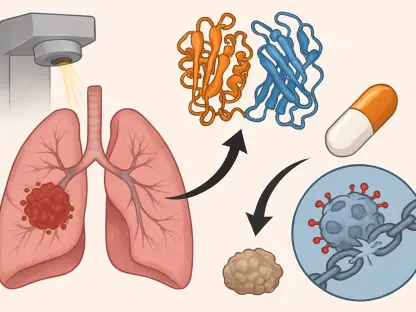

The rapid transition of CRISPR-Cas systems from revolutionary laboratory experiments to sophisticated clinical interventions has necessitated a comprehensive overhaul of traditional safety protocols to protect patient health in the coming years. As genome editing moves beyond the initial proof-of-concept phase, the emphasis has shifted toward establishing a rigorous, risk-based framework that addresses the intricate biological variables inherent in human applications. This modern assessment methodology prioritizes a holistic view of patient safety, moving beyond simple editing efficiency to scrutinize complex factors such as long-term toxicology, systemic biodistribution, and potential tumorigenicity. By 2026, the scientific community has recognized that a standardized yet flexible approach is vital for the responsible development of these therapies. This involves a deep integration of computational modeling and empirical validation to ensure that every modification is intentional and contained. The current era of genomic medicine demands that developers anticipate every possible cellular response, ensuring that therapeutic benefits are never compromised by unforeseen biological complications during the lifespan of a patient.
Addressing Genotoxicity and Technical Innovations
A primary obstacle in the advancement of genomic medicine involves the inherent genotoxic risks associated with traditional editing techniques that induce double-strand DNA breaks. When the Cas9 enzyme severs both strands of the double helix, the cell’s internal repair machinery often struggles to restore the sequence perfectly, leading to unintended consequences such as large genomic deletions or complex chromosomal rearrangements. These structural variations can disrupt essential genes or trigger a p53-mediated damage response, which unintentionally creates a selective advantage for oncogenic clones that possess compromised DNA repair pathways. To combat these hazards, researchers are now focusing on the meticulous characterization of “off-target” activity using high-sensitivity sequencing. By understanding how these breaks influence the long-term stability of the genome, the industry is creating safer boundaries for therapeutic intervention. This shift in focus ensures that the genomic integrity of the patient remains the highest priority, preventing the accidental activation of cancer-causing pathways during the treatment of genetic disorders.
In response to these genotoxic challenges, the field has seen a rapid evolution toward more refined tools like base and prime editing, which minimize the need for lethal DNA breaks. These second-generation technologies allow for precise chemical modifications of individual nucleotides or the direct search-and-replace of genetic sequences without severing the structural backbone of the DNA molecule. Furthermore, the development of higher-fidelity Cas variants has significantly reduced the frequency of off-target binding, ensuring that the molecular machinery only interacts with the designated therapeutic site. By utilizing these advanced platforms, developers can achieve the necessary clinical outcomes while drastically lowering the risk of large-scale genomic instability. This technical progression represents a fundamental shift from the “molecular scissors” analogy to a “molecular pencil” approach, offering a level of control that was previously unattainable. These innovations provide a sustainable path forward for treating complex polygenic diseases where multiple precise edits are required simultaneously, all while maintaining a profile that satisfies the most stringent safety requirements.
Strategic Integration and Clinical Roadmap
The safety profile of any CRISPR-based therapy is inextricably linked to its delivery mechanism, which determines how the editing components reach the target tissue and how long they persist. While viral vectors such as adeno-associated viruses have traditionally provided efficient gene transfer, they carry persistent risks of insertional mutagenesis and prolonged nuclease expression, which can increase the likelihood of late-onset off-target effects. Consequently, there has been a significant pivot toward non-viral delivery systems, particularly lipid nanoparticles, which facilitate transient expression of the CRISPR machinery. This “hit-and-run” approach ensures that the editing tools are present only long enough to perform the required modification before being naturally degraded by the body. Additionally, the immunological hurdle posed by the bacterial origin of Cas proteins remains a critical focus of current safety evaluations. Since many individuals have pre-existing immunity to these proteins, comprehensive screening and epitope engineering have become standard requirements to prevent adverse inflammatory responses and ensure the long-term success of the treatment.
The transition toward a unified global standard for genomic medicines was achieved through the integration of multidisciplinary strategies and strict adherence to modern regulatory guidelines. Experts successfully aligned non-clinical programs with the specific expectations of agencies like the FDA and EMA, ensuring that data regarding biodistribution and immunogenicity were collected with unprecedented accuracy. This framework established that successful clinical adoption depended on the use of in silico guide RNA design combined with next-generation sequencing to detect even the most subtle off-target activities. Moving forward, stakeholders should prioritize the development of patient-specific screening protocols that account for individual genetic diversity and pre-existing immune profiles. It was concluded that the industry must maintain a transparent dialogue between researchers and regulators to refine these safety benchmarks as new data emerges from ongoing trials. By tailoring every study to the specific delivery route and the unique needs of the target population, the medical community secured a structured roadmap for the responsible advancement of life-changing genomic therapies.