
A pivotal study in precision oncology is poised to reshape how clinicians approach cancers driven by specific genetic alterations, offering a detailed roadmap for identifying and treating mutations that have long been underrecognized. Led by Dr. Wei Yang and his team, the research introduces a comprehensive framework designed to systematically classify and target uncommon MET gene fusions, which are potent drivers of tumor growth but are often missed by conventional diagnostic and therapeutic strategies. This new paradigm promises to move beyond a one-size-fits-all model, unlocking highly effective, personalized treatment modalities for patients who currently face limited options and delivering a more equitable future in cancer care where the unique genetic signature of each tumor guides the path to recovery. By bringing these rare but significant mutations into the spotlight, the study challenges the oncology community to broaden its focus and leverage advanced technology to its fullest potential.
Redefining the Scope of Genomic Research
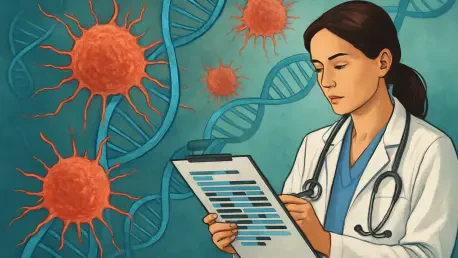
The central subject of the research is the clinical stratification of uncommon MET fusions, a group of genetic mutations that have been largely sidelined in both research and clinical practice. Gene fusions, which occur when two distinct genes are inadvertently joined, can produce hybrid proteins that activate oncogenic pathways, leading to uncontrolled cell proliferation and metastasis. While the role of MET fusions in various malignancies is well-established, the scientific community has historically concentrated its efforts on the more prevalent types of these alterations. This narrow focus has inadvertently created a significant knowledge gap, leaving a subset of patients with less common MET fusions without clear or effective therapeutic pathways. The study’s core thesis argues that a more inclusive and systematic framework for identifying, classifying, and targeting these rarer fusions is not only a scientific necessity but a clinically actionable imperative that holds the potential to dramatically improve patient outcomes and expand the arsenal of precision oncology.
This oversight represents a substantial missed opportunity in the fight against cancer, as these less common fusions are powerful oncogenic drivers capable of fueling aggressive disease. The study posits that by failing to systematically search for and characterize these mutations, the medical community is denying patients access to potentially transformative targeted therapies. The proposed framework advocates for a deliberate re-evaluation of the tumor genomics landscape, ensuring that these rare but potent drivers receive the attention they warrant. By developing a structured approach to their detection and classification, clinicians can move beyond generalized treatment protocols and toward highly personalized strategies. This shift is crucial for realizing the full promise of precision medicine, where treatment is tailored not just to the cancer type, but to the specific molecular abnormalities driving an individual’s disease, thereby turning complex diagnoses into manageable conditions for a greater number of patients.
A Blueprint for Precision and Collaboration
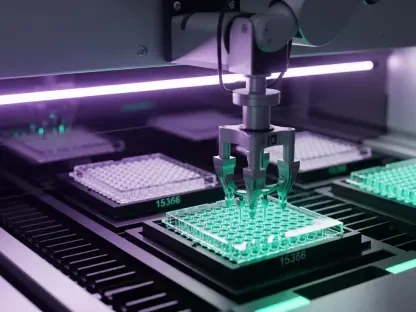
The new framework emphasizes the indispensable role of advanced genomic technologies, particularly next-generation sequencing (NGS), as the cornerstone of this refined approach to cancer care. The research contends that the full power of these technologies must be harnessed not merely to identify common mutations but to conduct exhaustive investigations capable of detecting the complete spectrum of genetic alterations, including the rare MET fusions that are the focus of the study. This comprehensive genomic profiling is presented as the foundational step for achieving a more nuanced understanding of individual tumor biology. By generating a detailed molecular blueprint for each patient’s cancer, clinicians are empowered to craft truly personalized treatment plans that directly address the root cause of the disease. This data-driven methodology moves the field away from empirical treatment decisions and toward a more precise, evidence-based standard of care that can significantly improve therapeutic efficacy.
Beyond the initial identification and classification of these fusions, a central pillar of the study is the development of actionable and precise treatment protocols. The framework aims to provide clinicians with a data-backed guide for selecting the most effective therapies by meticulously correlating specific fusion types with patient response rates to various treatments. This level of precision is designed to enhance the efficacy of medical interventions while simultaneously minimizing the adverse side effects often associated with broader, less targeted treatments. Furthermore, the article underscores that tackling the complexity of MET fusions requires a unified, multidisciplinary effort. It calls for a collaborative model that seamlessly integrates the expertise of geneticists, oncologists, pathologists, and bioinformaticians. This holistic synergy ensures that all facets of a patient’s disease, from the molecular signature of the tumor to the clinical presentation, are considered, which is essential for developing and implementing the highly customized treatment plans that lie at the heart of precision oncology.
Charting the Course for Future Innovation
One of the study’s most compelling findings is the highlighted unmet need for novel therapeutics specifically engineered to target uncommon MET fusions. In many cases, patients harboring these rare genetic alterations exhibit a limited response to traditional chemotherapy and even to broader-targeted therapies, leaving them with a poor prognosis and few viable options. This gap in the therapeutic landscape signals a clear and significant market opportunity for biopharmaceutical companies to invest in the research and development of specialized drugs. These next-generation inhibitors would be designed to precisely target the unique molecular abnormalities driven by these specific fusions. The development of such targeted agents would not only fill a critical void in patient care but also represent a major step forward in the evolution of personalized medicine, offering hope to patient populations that have historically been underserved by existing treatment paradigms.
The research also thoughtfully raises crucial questions regarding the equitable accessibility of the advanced genomic testing that is fundamental to this new framework. The authors acknowledge that significant socioeconomic factors can create formidable barriers, preventing many patients from benefiting from the promise of precision oncology. For the advancements detailed in the MET fusion research to translate into widespread, real-world benefits, these systemic inequities must be addressed. The study argues for a concerted effort to ensure that all patients, regardless of their background or financial status, have access to the comprehensive genomic profiling necessary for personalized treatment. This commitment to healthcare equity is paramount if the full potential of such scientific breakthroughs is to be realized across diverse populations, ensuring that progress in oncology does not inadvertently widen existing health disparities.
Pioneering a New Standard in Oncology
The comprehensive framework developed by Dr. Wei Yang and his team provided a groundbreaking and detailed roadmap for understanding and treating cancers driven by uncommon MET fusions. By emphasizing the critical need to study rare mutations, fully leverage advanced technology, foster deep collaboration across disciplines, and develop novel targeted drugs, the study reinforced the transformative potential of precision medicine. It represented a significant step toward an era where oncology was defined not by broad, one-size-fits-all approaches but by finely tuned, personalized strategies that honored the unique genetic signature of each individual’s cancer. The research also underscored the importance of continuous clinical trials and ongoing medical education to validate findings and integrate these new precision frameworks into standard clinical practice. Ultimately, this work aimed to turn even the most complex diagnoses into manageable conditions, profoundly improving the quality of life for countless patients and setting a new standard for the future of cancer care.