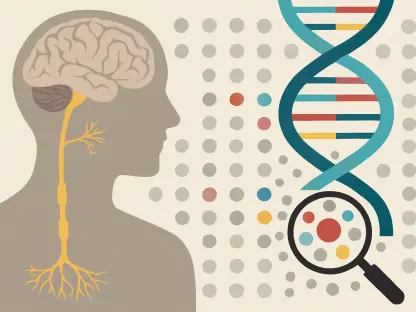

The battle against Amyotrophic Lateral Sclerosis (ALS) has long been defined by a relentless search for therapeutic interventions capable of altering the grim prognosis associated with this rapid neurodegenerative decline. As a condition that systematically dismantles the motor neuron network, ALS robs individuals of their autonomy, eventually compromising the fundamental biological functions of speech, swallowing, and respiration. While the medical community has made strides in palliative care, the underlying biological triggers of the disease have remained notoriously difficult to suppress. Current estimates suggest a global prevalence that necessitates urgent innovation, particularly since the vast majority of cases appear sporadically, leaving families without a clear genetic roadmap to follow. The introduction of neflamapimod into clinical discussions represents a significant shift in strategy, moving away from broad symptomatic management toward a precise molecular intervention. This drug specifically targets the pathological signaling pathways that force neurons into a state of irreversible decay, offering a potential lifeline for those currently facing a survival window that rarely extends beyond five years. By focusing on the structural integrity of the nerve cell itself, researchers are attempting to transform ALS from a rapidly terminal diagnosis into a condition that can be managed through sophisticated biochemical regulation.
Targeting the Mechanisms of Nerve Cell Damage
The identifying of p38 alpha kinase as a primary driver of neuronal destruction has provided a concrete target for pharmacological development in the fight against motor neuron disease. In a physiologically stable environment, this protein acts as a critical regulator of axonal transport, ensuring that the long, spindly fibers of the nerve cell receive the essential nutrients and signaling molecules required for survival. However, in the context of ALS, p38 alpha becomes pathologically overactive, effectively sabotaging the very transport system it is supposed to maintain. This hyperactivity creates a cellular traffic jam, preventing the movement of vital components and leading to the eventual collapse of the neuron’s structural framework. Neflamapimod serves as a potent inhibitor of this specific kinase, designed to cross the blood-brain barrier and dampen the excessive signaling that leads to cellular exhaustion. By quieting this overactive enzyme, the drug seeks to restore the natural rhythm of internal cellular logistics, which is a prerequisite for maintaining the strength and coordination of voluntary muscle movements in patients.
Furthermore, the relationship between p38 alpha and the toxic accumulation of TDP-43 protein represents one of the most promising avenues for stopping ALS progression at its molecular source. In nearly every instance of the disease, the TDP-43 protein abandons its proper place within the cell nucleus and begins to form harmful aggregates in the cytoplasm, a process known as proteinopathy. Recent evidence suggests that p38 alpha kinase is the specific agent that chemically modifies TDP-43, encouraging it to misfold and clump together into these lethal deposits. Neflamapimod intervenes in this toxic cascade by preventing the phosphorylation events that prime the protein for aggregation. By keeping TDP-43 in its functional state and proper location, the therapy addresses a hallmark of the disease that is shared by both familial and sporadic cases. This unified approach is particularly valuable because it suggests that a single pharmacological mechanism could be effective for a broad spectrum of patients, regardless of the initial trigger that sparked their neurodegenerative symptoms, thereby simplifying the landscape of future ALS treatment protocols.
Evidence for Restoring Functional Ability
The transition of neflamapimod from theoretical research to practical application has been supported by a robust body of preclinical evidence demonstrating its ability to stabilize fragile neural networks. Laboratory studies utilizing animal models and complex cell cultures have consistently shown that the inhibition of p38 alpha leads to a measurable reduction in protein clumping and an increase in the survival rates of motor neurons. Perhaps the most compelling data came from experiments involving human induced pluripotent stem cells, where motor neurons derived from ALS patients showed a significant recovery in axonal health when exposed to the drug. This success in human-derived tissues provides a high level of confidence that the biological effects observed in the lab will translate effectively to the clinical setting. Unlike previous generations of drugs that offered only marginal benefits in non-human subjects, the molecular precision of neflamapimod appears to resonate deeply with the specific pathological signatures of the human nervous system, marking a new era of targeted neuroprotection.
Beyond merely halting the progression of damage, there is a growing belief among neuroscientists that neflamapimod may facilitate a degree of functional restoration in previously compromised neurons. Most traditional ALS therapies aim to extend the life of the patient by a few months without necessarily improving their quality of life or physical capabilities. In contrast, by repairing the internal transport machinery and clearing away the obstructive protein aggregates, neflamapimod may allow “sick but not dead” neurons to regain their operational efficiency. If the axonal transport system can be revived, the communication between the brain and the muscles may see a modest but vital improvement, potentially returning some level of strength to weakened limbs or stabilizing respiratory muscles. This shift from a purely defensive strategy to one that includes regenerative potential represents a fundamental change in the therapeutic philosophy surrounding neurodegeneration. It suggests that the nervous system, when given the right biochemical environment, possesses a latent capacity for stabilization that could significantly alter the daily lived experience of those diagnosed with motor neuron disease.
Streamlining Trials Through Innovative Platforms
The traditional landscape of clinical drug development is often criticized for its slow pace and rigid requirements, but the evaluation of neflamapimod is benefiting from a more agile approach known as the EXPERTS-ALS platform. This United Kingdom-based initiative was designed specifically to bypass the bureaucratic hurdles that frequently delay the delivery of life-saving medications to the public. By utilizing a centralized infrastructure, the platform allows multiple potential therapies to be screened simultaneously using a standardized set of metrics and a well-characterized pool of participants. One of the most significant advantages of this model is the reduction in the need for traditional placebo groups; instead, the performance of a drug like neflamapimod can be compared against an extensive library of historical data and current control sets. This not only accelerates the timeline for gathering actionable results but also ensures that a higher percentage of participating patients have access to active treatment, which is a critical ethical consideration for a disease as aggressive and fast-moving as ALS.
A central component of this streamlined testing process is the use of neurofilament light chain (NfL) as a primary biomarker for measuring the drug’s neuroprotective efficacy. When motor neurons suffer structural damage, they release this specific protein into the cerebrospinal fluid and the bloodstream, making it a highly reliable “leakage” marker for nerve decay. By monitoring NfL levels through simple blood tests, researchers can obtain a real-time snapshot of how well neflamapimod is protecting the patient’s nervous system without relying solely on subjective physical exams. The success of earlier ALS drugs, which achieved regulatory milestones by demonstrating significant reductions in these protein levels, has set a clear benchmark for the current trials. The goal for neflamapimod is to achieve at least a 30 percent reduction in NfL concentration, which would provide the objective, data-driven proof required to move toward widespread clinical adoption. This biomarker-led approach ensures that the most promising candidates are identified early, allowing resources to be concentrated on the therapies that show the most significant impact on cellular health.
Validating Safety and Long-Term Potential
The safety profile of neflamapimod is already well-established, thanks to its extensive history in clinical trials for other neurodegenerative conditions, most notably Dementia with Lewy Bodies (DLB). Data collected from over 800 individuals across various studies have confirmed that the drug is well-tolerated by the human body, with a manageable side-effect profile that makes it suitable for the long-term administration required in chronic disease management. During the DLB trials, participants treated with the drug exhibited notable improvements in cognitive processing and physical mobility, which served as an early validation of the p38 alpha inhibition theory. These findings suggest that the mechanism of action is not limited to a single disease but rather addresses a fundamental pathway of brain aging and decay. The fact that the drug has already passed rigorous safety screenings in a large population significantly reduces the risk of unexpected adverse events during its current application for ALS, providing a smoother path for regulatory approval.
Looking toward the future integration of this therapy into standard medical practice, the success of neflamapimod could usher in a broader acceptance of kinase inhibitors as a cornerstone of neurological care. The lessons learned from the EXPERTS-ALS trials will likely influence how other neurodegenerative conditions, such as Parkinson’s or frontotemporal dementia, are approached in the coming years. Clinicians should prepare for a shift toward personalized medicine where blood-based biomarkers like NfL dictate the timing and dosage of treatment, ensuring that intervention begins before irreversible muscle wasting occurs. For patients and their families, the focus must remain on early detection and participation in high-speed clinical frameworks that prioritize data sharing and rapid iteration. The ultimate goal is to move beyond the era of terminal prognosis and toward a reality where ALS is treated with the same precision and long-term management strategies as cardiovascular disease or diabetes. By maintaining this momentum in research and clinical infrastructure, the medical community can finally offer a future defined by resilience and functional maintenance rather than rapid decline.
The research into p38 alpha inhibition through neflamapimod demonstrated that targeting the root causes of axonal transport failure and protein misfolding was a viable path toward slowing the progression of motor neuron disease. By successfully navigating the EXPERTS-ALS platform and utilizing neurofilament light chain as a sensitive measure of success, the clinical community established a more efficient blueprint for future drug development. The transition from preclinical stem-cell models to large-scale human safety validation provided the necessary confidence to pursue this therapy as a primary intervention for both sporadic and familial cases. Ultimately, the efforts to stabilize motor neurons through precise biochemical pathways signaled a turning point in how aggressive neurodegeneration was addressed by modern medicine. This progress highlighted the importance of global collaboration and innovative trial designs in turning once-terminal diagnoses into manageable conditions. The focus shifted toward proactive biomarker monitoring and early intervention, ensuring that the lessons learned from neflamapimod were applied to the broader spectrum of neurological health and patient care.