
Ivan Kairatov is a leading biopharma expert with a distinguished career dedicated to uncovering the therapeutic potential of marine ecosystems. With deep technical expertise in natural products chemistry and high-throughput drug discovery, he has spent years navigating the complex intersection of marine biology and medicinal biochemistry. His work often focuses on the intricate symbiotic relationships between oceanic species, specifically how these interactions generate unique chemical scaffolds that could redefine modern oncology.
In this discussion, we explore the discovery of Jorumycidine, a novel alkaloid found within the relationship between the dotted nudibranch and its sponge prey. We delve into the molecular stability provided by its unique hexacyclic structure, the biosynthetic logic behind its formation, and the formidable challenges of translating its potent nanomolar activity into clinical applications.
The chemical relationship between the dotted nudibranch and the blue-grey tube sponge appears to be more than just predator and prey; it is a sophisticated biochemical exchange. How do these interactions influence the production of defensive molecules, and could you describe the metabolic relay that occurs between these species to alter the chemical structure of ingested compounds?
The relationship between the sea slug Jorunna funebris and the Haliclona sponge is a fascinating example of chemical co-evolution where defense mechanisms are shared and refined. Our research indicates a metabolic relay where the sponge serves as the primary “factory,” producing renieramycin derivatives which the nudibranch then consumes. Once ingested, these compounds are not merely stored; they appear to undergo enzymatic or chemical modifications within the mollusk’s tissues, transforming into more specialized metabolites like jorumycin. This process allows the nudibranch to repurpose the sponge’s chemistry for its own protection, creating a diverse library of bis-tetrahydroisoquinoline alkaloids that are differentially distributed across both organisms.
Jorumycidine stands out because of its unusual hexacyclic structure, specifically the addition of an oxazolidine ring. What specific advantages does this six-ring framework provide regarding molecular stability, and how does this configuration compare to the five-ring scaffolds typically found in marine-derived alkaloids?
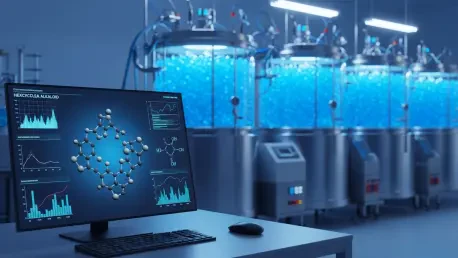
The discovery of a hexacyclic structure in Jorumycidine is a significant milestone because most alkaloids in this class, such as renieramycin, rely on a five-ring scaffold which can be inherently prone to degradation. The sixth ring—specifically the oxazolidine ring—acts as a structural anchor that stabilizes the molecule’s reactive centers, making it less susceptible to the spontaneous breakdowns that often plague marine natural products. By reinforcing the molecular core, this hexacyclic framework preserves the orientation of the functional groups necessary for biological interaction. This increased stability is a vital asset in drug design, as it addresses the common limitation of chemical instability that often halts the development of otherwise promising marine-derived leads.
With a half-maximal inhibitory concentration of 13.8 nanomolar against multiple myeloma cells, Jorumycidine shows remarkable potency. How do its specific functional groups drive this biological activity, and what are the practical challenges in translating these low-nanomolar findings into viable drug candidates?
The high potency of Jorumycidine is driven by its unique arrangement of quinone rings and specific functional groups that interact with cellular targets at incredibly low concentrations. At 13.8 nanomolar, it outperforms related compounds like renieramycin E, suggesting that the precise stereochemistry and the presence of the oxazolidine ring are essential for its cytotoxic “grip” on cancer cells. However, moving from a 13.8 nM laboratory success to a clinical drug is a steep climb; we face immense challenges in ensuring systemic delivery without off-target toxicity. Additionally, synthesizing enough of this complex material to satisfy the rigorous phases of clinical trials is a hurdle that requires moving beyond simple extraction from marine biomass.
The synthesis of these alkaloids involves complex hybrid nonribosomal peptide synthetase and polyketide synthase systems. How can identifying specific enzyme domains assist in laboratory scaling, and what steps are necessary to replicate the complex cyclization processes observed in these marine organisms?
By reanalyzing the biosynthetic gene clusters, we have identified specific enzyme domains that function like a biological assembly line, orchestrating the complex cyclization and incorporation of building blocks. Understanding these domains allows us to move toward “synthetic biology” approaches, where we can potentially host these gene clusters in lab-friendly microbes to produce Jorumycidine at scale. Replicating the intramolecular reactions that form the oxazolidine ring requires a deep understanding of the precursor modifications, which we analyzed using sequence alignment and phylogenetic methods. This biosynthetic logic is the blueprint we need to move away from harvesting wild specimens and toward a sustainable, bio-inspired manufacturing process.
Environmental stresses are known to trigger the production of unique chemical defenses in mollusks. What specific methodologies are used to isolate these compounds from organic solvents, and how do researchers ensure that the structural features determined through spectroscopy remain intact during purification?
Isolating these fragile molecules requires a meticulous multi-step process, starting with organic solvent extraction followed by purification through silica gel chromatography and reverse-phase high-performance liquid chromatography (HPLC). To ensure the molecule doesn’t fall apart or rearrange during this process, we constantly monitor the samples using high-resolution mass spectrometry and liquid chromatography-mass spectrometry (LC-MS) with diagnostic fragmentation filtering. We then employ nuclear Overhauser effect spectroscopy (NOESY) and electronic circular dichroism (ECD) to verify that the 3D structure and stereochemistry remain exactly as they were in the living organism. It is a delicate balance of aggressive separation and gentle handling to keep the bio-active configuration intact.
What is your forecast for marine-derived anticancer drug discovery?
I believe we are entering a “Golden Age” of marine bioprospecting, where the focus will shift from simple discovery to the sophisticated engineering of symbiotic pathways. We are currently tracking over 30,000 marine natural products, but the real breakthrough will come from using tools like the bioinformatic analyses we applied to Jorumycidine to unlock “silent” gene clusters in marine microbes. Within the next decade, I expect we will see a surge in stabilized, hexacyclic scaffolds entering clinical trials, specifically targeting hard-to-treat hematological malignancies. The ocean has already done the hard work of millions of years of chemical optimization; our job now is to master the biosynthetic logic they have provided to create the next generation of stable, high-potency therapeutics.