
Recent clinical investigations suggest that the traditional boundary between dental hygiene and systemic wellness is rapidly dissolving as researchers identify startling connections between gum disease and digestive malignancies. While most people view a routine dental cleaning as a simple cosmetic necessity, the physiological reality is far more complex, involving a delicate balance of microbial life that spans from the mouth to the colon. Data released between 2026 and 2028 indicates that individuals suffering from chronic periodontal inflammation are significantly more likely to develop precancerous polyps compared to those with healthy gums. Organizations like the American Association for Cancer Research have begun highlighting how specific pathogens, once thought to be localized in the mouth, actually serve as biological messengers that influence the development of tumors deep within the digestive tract. This shift in understanding requires a more holistic approach to preventative care that treats the mouth as a primary diagnostic gateway for serious internal issues.
Biological Pathways: The Role of the Oral-Gut Axis
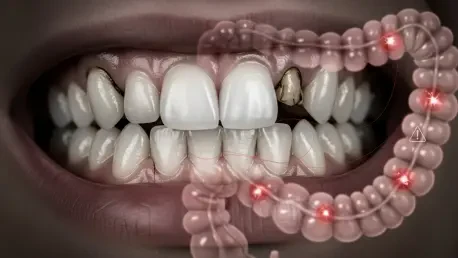
The mechanism behind this systemic link centers on a specific bacterium known as Fusobacterium nucleatum, which is a primary driver of periodontal disease and gum inflammation. Scientific analysis of colorectal tumor tissues has frequently revealed high concentrations of this oral pathogen, suggesting that it does not remain confined to the oral cavity but instead migrates through the body. This migration typically occurs through the bloodstream or via the simple act of swallowing saliva, allowing the bacteria to colonize the intestinal lining. Once established in the gut, these microbes can trigger persistent inflammatory responses that create an environment conducive to the growth of malignant cells. Furthermore, Fusobacterium nucleatum has demonstrated a unique ability to help cancer cells evade the human immune system by binding to specific inhibitory receptors on immune cells. This sophisticated biological maneuver effectively shields the tumor, allowing it to expand without detection by the body’s natural defenses.
Beyond the presence of specific bacteria, the chronic inflammatory state caused by periodontal disease plays a significant role in systemic health degradation. When gums are consistently inflamed, the body remains in a heightened state of immune activation, which can inadvertently damage healthy tissues in distant organs like the colon. This systemic inflammation is often measured by elevated levels of C-reactive protein, a marker that has been linked to both advanced gum disease and an increased risk of gastrointestinal cancers. The disruption of the oral microbiome, often referred to as dysbiosis, sets off a chain reaction that alters the chemical composition of the digestive tract, making it more susceptible to DNA damage and cellular mutations. Research conducted at major medical institutions now emphasizes that the mouth serves as a reservoir for pathogens that can alter the gut environment on a molecular level. Maintaining a healthy microbial balance is therefore essential for preventing the chronic irritation that often precedes the formation of precancerous polyps.
Clinical Indicators: Identifying Risk through Dental Symptoms
Identifying the physical manifestations of these risks involves looking beyond simple cavities to more persistent issues like bleeding gums, swelling, and chronic halitosis. Statistical evidence from long-term health studies indicates that patients with severe gum disease face a 17 to 21 percent higher risk of developing precancerous colon polyps over time. Even more concerning is the correlation between tooth loss and cancer risk; the loss of four or more teeth due to long-standing inflammation is associated with an approximately 20 percent increase in the likelihood of intestinal abnormalities. These symptoms are not merely inconveniences but are significant indicators of an underlying imbalance that may be affecting the entire digestive system. A persistent white or yellowish coating on the tongue can also serve as a marker for a disturbed microbiome, suggesting that harmful bacteria have proliferated to a degree that requires clinical intervention. Monitoring these specific oral changes provides a non-invasive way to gauge potential risks that might otherwise go unnoticed until a later stage.
Addressing these risks required a paradigm shift in how individuals managed their daily health routines and interacted with medical professionals. Proactive measures, such as implementing more rigorous brushing and flossing techniques, became essential components of a broader cancer prevention strategy. Dental specialists recommended professional cleanings at least twice a year to remove the bacterial biofilms that triggered systemic inflammation. Furthermore, integrating dental history into primary care screenings allowed physicians to identify high-risk individuals who benefited from earlier colonoscopies or more frequent diagnostic imaging. The focus shifted toward a holistic view of the body, where maintaining oral hygiene was viewed as an investment in long-term digestive health. Reducing the intake of refined sugars and processed foods also helped stabilize the oral microbiome, thereby limiting the migration of harmful pathogens to the gut. Ultimately, the synthesis of dental care and traditional screenings provided a more comprehensive defense against the development of colorectal diseases.