
Ivan Kairatov is a seasoned biopharma expert whose career has been defined by a deep commitment to unraveling the complexities of tech-driven innovation within the life sciences. With extensive experience in research and development, he has spent years bridging the gap between molecular discovery and clinical application, particularly in the realm of autoimmune and renal pathologies. His insights provide a window into how cutting-edge proteomic analysis is reshaping our understanding of the kidney’s immune landscape, moving beyond traditional histological snapshots to a more dynamic, molecular-driven diagnostic framework.
In this discussion, we explore the evolving science of IgA nephropathy, focusing on the pivotal role of complement proteins in driving glomerular damage. We examine how specific biomarkers like CFHR1 are shifting the diagnostic paradigm from invasive biopsies toward sophisticated blood-based assays. The conversation also covers the physiological differences in biomarker behavior during treatment, the potential for these molecules to serve as companion diagnostics for emerging therapies, and the underlying triggers at the mucosal level that catalyze chronic renal inflammation.
The complement system, including proteins like CFHR1 and properdin, plays a major role in glomerular injury. How do these proteins interact with IgA to trigger inflammation, and what specific molecular pathways lead to the proliferation of mesangial cells and subsequent kidney damage?
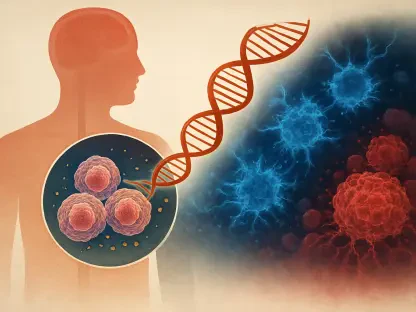
The molecular choreography of IgA nephropathy is incredibly intricate, involving a cascade where the complement system essentially “hijacks” the immune response. When IgA-containing immune complexes deposit in the glomerular mesangium, they act as a beacon for proteins like CFHR1, CFHR2, CFHR3, CFHR5, and properdin, which we have found to be significantly overexpressed in the kidneys of affected patients. These proteins, particularly properdin which stabilizes the C3 convertase, facilitate the activation of the alternative and terminal complement pathways right at the site of deposition. This local activation triggers a fierce inflammatory response, characterized by the proliferation of mesangial cells and an accelerated production of the extracellular matrix. Over time, this process replaces healthy filtration tissue with fibrotic scarring, a progression we can now visualize through advanced proteomic analyses of formalin-fixed paraffin-embedded kidney tissues.
Current diagnostics often rely on invasive biopsies, yet CFHR1 levels are significantly elevated in circulating immune complexes. How could this marker be integrated into a non-invasive screening process, and what specific metrics or thresholds would be used to identify patients at high risk for progression?
The shift toward non-invasive diagnostics is the “holy grail” of nephrology, and the quantification of CFHR1 within circulating IgA immune complexes is a massive step in that direction. In our research, we observed that serum CFHR1 levels and, more importantly, CFHR1 levels specifically bound within IgA-ICs, were markedly higher in patients compared to healthy individuals or disease controls. By integrating these metrics into a standard blood panel, we could potentially identify high-risk individuals long before they reach the point of needing a biopsy. The goal is to move toward a threshold-based system where elevated circulating total CFHR1 serves as a red flag for the activation of the alternative complement pathway. This would allow clinicians to catch the “hit” of abnormal IgA molecules early, providing a window for intervention before significant mesangial IgA deposition and subsequent glomerular injury occur.
Immunosuppressive therapy notably reduces CFHR1 levels within immune complexes, while total serum levels often remain stable. What explains this physiological discrepancy, and how should clinicians weigh these two different measurements when deciding whether to adjust a patient’s medication or switch to supportive care?
This discrepancy reveals a fascinating nuance in how different therapies impact the body’s immune machinery. Our longitudinal studies showed that after two years of intensive immunosuppressive treatment, CFHR1 levels within the circulating IgA-ICs dropped significantly, while the total serum levels of the protein remained unchanged. This suggests that while the liver or other sources continue to produce CFHR1 at a steady rate, the medication effectively disrupts the “gluing” of these proteins into the pathogenic immune complexes. For a clinician, the total serum level acts as a baseline of the patient’s complement potential, but the CFHR1 concentration within the immune complexes serves as the true barometer of active disease progression. If these complex-bound levels remain high despite supportive care, it signals that the underlying autoimmune driver is still active, potentially necessitating a move toward more aggressive, IgAN-specific immunosuppressive agents to prevent end-stage kidney disease.
New complement-targeting drugs are currently entering clinical evaluation. How could CFHR1 serve as a companion diagnostic to help physicians select the right candidates for these emerging treatments, and what step-by-step protocols would ensure the therapy is effectively hitting its intended molecular targets?
We are entering an era of precision nephrology where “one size fits all” is no longer the standard, and CFHR1 is perfectly positioned to serve as a companion diagnostic. To ensure these new complement-targeting drugs are effectively hitting their targets, a protocol would involve baseline testing of CFHR1 within IgA-ICs to confirm that the alternative pathway is a primary driver in that specific patient. Following the initiation of therapy, serial measurements would be taken to monitor for a reduction in these specific complexes, providing a real-time “read-out” of molecular efficacy. This approach allows us to pivot quickly; if a patient shows no reduction in CFHR1-associated complexes after several months, the physician can conclude that the specific molecular target isn’t the dominant driver of their pathology. This level of granularity ensures that expensive and potentially side-effect-heavy therapies are reserved for those who will benefit most, optimizing management and improving long-term renal outcomes.
The alternative complement pathway can be activated by mucosal microbial antigens. How does this activation catalyze the formation of IgA immune complexes, and what are the biological triggers that cause these complexes to deposit in the kidney’s mesangium rather than being safely cleared from the bloodstream?
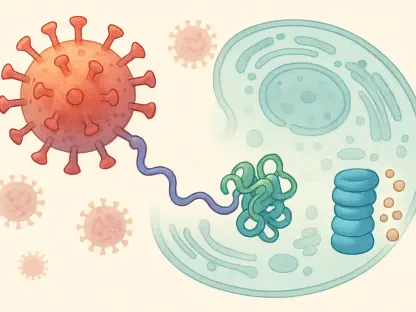
The gut-kidney axis plays a profound role here, where exposure to mucosal microbial antigens acts as the initial spark for the alternative complement pathway. In patients predisposed to IgA nephropathy, these antigens bind to abnormal, galactose-deficient IgA molecules, and CFHR1 appears to catalyze the rapid assembly of these components into large, bulky immune complexes. These complexes are essentially “molecular tumbleweeds” that the body’s normal clearance mechanisms—like the liver or splenic macrophages—struggle to remove from the bloodstream. Because of their unique biochemical properties and the specific charge of the mesangium, these complexes are physically trapped in the glomerular filters of the kidney. Once lodged there, they don’t just sit idle; they act as a persistent scaffold for further complement activation, including the classical and terminal pathways, turning a systemic immune event into a localized, chronic inflammatory disaster for the nephrons.
What is your forecast for IgA nephropathy management?
I believe we are on the verge of a total transformation where the management of IgA nephropathy will move away from reactive “wait-and-see” supportive care and toward proactive, molecularly-targeted intervention. In the next five to ten years, I expect the use of CFHR1-based companion diagnostics to become standard practice, allowing us to categorize patients by their specific molecular profile rather than just their degree of proteinuria. We will likely see a decline in the reliance on systemic corticosteroids as more precise complement inhibitors and B-cell targeting agents are paired with these biomarkers to ensure high efficacy with minimal toxicity. Ultimately, the integration of proteomic insights from the very beginning of the diagnostic journey will turn IgA nephropathy from a frighteningly unpredictable disease into a manageable, chronic condition where end-stage kidney disease becomes a rarity rather than a common outcome.