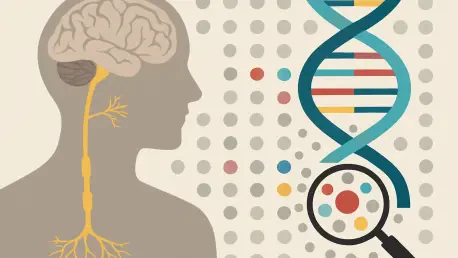

The traditional understanding of Amyotrophic Lateral Sclerosis as a primarily environmental or random neurological occurrence is being systematically dismantled by recent large-scale genomic analyses that reveal a much deeper hereditary foundation than previously suspected. For decades, clinicians and researchers categorized the vast majority of cases as sporadic, suggesting that only a small fraction of individuals inherited the condition through specific familial lineages. However, the emergence of massive datasets and advanced exome sequencing has fundamentally altered this perspective, highlighting the pervasive role of rare genetic variants in populations once thought to be unaffected by hereditary factors. This shift in the scientific consensus represents a pivotal moment in neurology, as it suggests that the biological blueprint of the disease is far more complex and widespread than earlier models allowed. By examining the intricate interplay of genes, researchers are finally beginning to uncover why certain individuals succumb to motor neuron degeneration while others remain resilient.
Shifting Perspectives on Disease Inheritance
The Collapse of the Sporadic and Familial Divide
A landmark study involving the exomes of roughly 18,000 individuals with Amyotrophic Lateral Sclerosis and over 200,000 healthy controls has produced evidence that approximately 25 percent of all patients possess an identifiable genetic contributor. This finding is revolutionary because it indicates that a quarter of the patient population has a genetic basis for their condition, regardless of whether they have a documented family history of the disease. In the past, genetic testing was largely reserved for the ten percent of cases clearly labeled as familial, leaving the remaining ninety percent largely unexamined in a genomic context. The realization that many sporadic cases are actually driven by rare genetic variants suggests that the clinical distinction between these two categories is increasingly obsolete. This discovery necessitates a broader view of how the disease develops across diverse populations, moving away from simple pedigree charts toward a more comprehensive molecular understanding of risk.
In light of these findings, prominent experts such as Dr. Ammar Al-Chalabi are advocating for a significant paradigm shift in how healthcare providers approach initial diagnosis and long-term patient management. Rather than limiting genomic screening to those with affected relatives, there is a growing consensus that genetic testing should be offered to every single individual presenting with symptoms of motor neuron disease to ensure a precise diagnosis. This universal screening approach would not only improve the accuracy of the diagnostic process but also facilitate the identification of candidates for gene-specific clinical trials that are currently being developed. As the medical community transitions toward this inclusive model, the focus is shifting from reactive treatment to proactive genetic profiling. This evolution in clinical practice ensures that patients who were previously overlooked are now able to access targeted interventions. Furthermore, widespread testing helps build more robust datasets that will continue to fuel the discovery of therapeutic targets.
The Rise of the Oligogenic Model
One of the most sophisticated insights gained from this recent exome analysis is the movement toward an additive, oligogenic model of inheritance for many individuals affected by the disease. This model suggests that the condition is often not the result of a single mutation but rather the cumulative impact of multiple rare genetic variants working in tandem. Each individual variant may not be enough to trigger the disease on its own, but when combined, they push the person over a biological threshold that leads to the failure of the motor nervous system. This nuanced perspective explains the variability in disease presentation and why some people carry known risk mutations without ever showing clinical symptoms. The interaction between these different genetic factors creates a unique risk profile for every patient, complicating the traditional view of simple dominant or recessive inheritance patterns. This shift toward a multi-genetic understanding reflects the true complexity of human biology and the various ways in which genetic architecture can be compromised.
This additive model also sheds light on why certain treatments may work for some patients while failing for others, as the underlying combination of genetic drivers can differ significantly. By viewing the disease through this oligogenic lens, researchers can better understand the concept of missing heritability, where family histories do not seem to account for the incidence of the condition. It suggests that a high burden of rare variants, even if they are not the well-known high-penetrance mutations, can collectively lead to the same neurodegenerative outcome. This approach is naturally leading to more sophisticated diagnostic tools that look at a patient’s entire exome rather than just a handful of common genes. Consequently, the development of future therapies will likely involve addressing multiple pathways simultaneously to counteract the combined effects of these diverse genetic contributors. This shift in thinking encourages a more holistic view of the patient genome, emphasizing that the totality of genetic information is far more important than any single data point.
New Frontiers in Genomic Identification
Discovery of Novel Risk Genes and Variants
The recent expansion of the known genetic landscape has led to the identification of several high-risk genes that were previously flying under the scientific radar, most notably the YKT6 gene. This particular gene showed a remarkably strong and consistent link to the development of the disease across multiple independent study groups, marking it as a primary candidate for future therapeutic development. Alongside YKT6, other newly implicated genes such as HTR3C, GBGT1, and KNTC1 have been identified as significant contributors to the overall risk profile of patients. The identification of these genes provides fresh avenues for research into the biological pathways that lead to motor neuron death, offering a more detailed map of the cellular mechanics involved. By pinpointing these specific genomic locations, scientists can begin to unravel the complex protein interactions and metabolic disruptions that characterize the progression of the disease. This wealth of new data allows for a more granular analysis of how various mutations manifest differently across individual cases.
Beyond identifying entirely new genes, the research has provided robust confirmation for several genes that were previously only suspected of having a tenuous link to the condition, such as ARPP21, DNAJC7, and CFAP410. Within the ARPP21 gene, researchers specifically pinpointed the p.P563L variant, which has demonstrated a direct association with an earlier onset of symptoms and a notably more aggressive disease progression. Understanding these specific mutations is crucial for clinical forecasting, as it allows physicians to provide more accurate prognostic information to patients and their families based on their specific genetic makeup. The ability to distinguish between slow-progressing and aggressive forms of the disease through a simple blood or saliva test represents a massive leap forward in personalized neurology. Moreover, these findings highlight the necessity of focusing on rare variants that might have been missed in smaller studies. As researchers continue to refine their understanding of these specific mutations, the possibility of developing highly specialized treatments that address the underlying genetic cause becomes much more attainable.
Implementation: From Research to Clinical Action
The recent advancements in genomic mapping for Amyotrophic Lateral Sclerosis established a new foundation for the implementation of precision medicine in clinical settings. Researchers utilized this massive wealth of data to pinpoint actionable targets that were previously invisible to the scientific community. These findings suggested that a comprehensive screening program for all patients regardless of family history was the most effective way to identify individuals eligible for specialized clinical trials. Moving forward, the focus shifted toward the development of antisense oligonucleotides and other gene-silencing technologies that addressed the specific mutations identified in the study. Medical professionals integrated genetic counseling as a standard part of the diagnostic journey to help families navigate the complexities of these newly discovered risk factors. By moving beyond the simplistic sporadic versus familial dichotomy, the scientific community successfully accelerated the timeline for developing therapies that directly countered the molecular drivers of the disease. This strategic shift in both research and clinical practice ensured that the biological roots of the condition were finally being addressed with the necessary level of specificity and depth.