
The transition from curative efforts to palliative management represents one of the most emotionally charged and ethically complex phases in modern oncology. Patients facing an incurable diagnosis no longer view medical interventions solely through the lens of survival statistics but rather through the quality of the hours and days that remain. This fundamental shift has triggered a global movement away from paternalistic “doctor knows best” models toward a collaborative framework where the patient’s voice is the primary guide for clinical action.
The Current Landscape of Patient Autonomy in Advanced Oncology
The modern healthcare environment increasingly recognizes the “right to know” as a cornerstone of end-of-life psychological well-being. When individuals are excluded from the reality of their prognosis, they are often robbed of the opportunity to settle personal affairs or find closure with loved ones. Today, the decision-making process is a sophisticated interplay between oncologists, palliative nurses, and family caregivers, each representing a different facet of the patient’s support system.
Digitalization has further transformed this transparency, as patient portals now allow individuals to access their own diagnostic data in real time. This accessibility forces a higher standard of honesty in the clinical relationship. Legal frameworks have kept pace with these technological changes, establishing strict ethical standards that mandate informed involvement even when the clinical outlook is bleak. Consequently, the goal of care is no longer just the treatment of a disease, but the stewardship of a human experience.
The Evolution and Trajectory of Collaborative Care Models
Emerging Trends in Patient-Centered Communication
Decision-making in the palliative sector has evolved from a series of isolated clinical events into a continuous, multidisciplinary dialogue. Nurses have emerged as the primary advocates in this space, often serving as the essential conduit between complex medical jargon and the patient’s personal anxieties. Because nurses maintain the most frequent contact with patients, they are uniquely positioned to capture shifting priorities that might not be voiced during a brief physician consultation.
Current trends show a decisive move away from aggressive life extension when such measures compromise domestic comfort. Value-based conversations are now used to align medical interventions with personal life goals, such as attending a family milestone or remaining at home. This shift ensures that every chemotherapy dose or surgical procedure is weighed against its potential to disrupt the patient’s definition of a meaningful life.
Market Data and the Growing Demand for Palliative Integration
Recent statistical trends indicate a surging preference for home-based terminal care over traditional clinical hospitalization. This demand has spurred significant growth in specialized oncology support roles and mobile palliative units designed to provide high-level care in residential settings. Success in this field is no longer measured solely by mortality rates but by sophisticated performance indicators such as patient satisfaction scores and the reduction of caregiver burnout.
Forecasts suggest that by 2028, early-stage palliative consultation will become a mandatory component of standard cancer treatment protocols from the moment of diagnosis. This proactive integration aims to normalize conversations about end-of-life preferences long before a crisis occurs. By institutionalizing these discussions early, healthcare systems can reduce the frequency of unwanted, high-cost interventions that do not align with patient values.
Systemic Barriers and Strategies for Meaningful Engagement
Despite the clear benefits of shared decision-making, a persistent knowledge gap often leaves patients feeling inadequate when faced with complex oncological data. Many individuals mistakenly believe that their lack of medical training disqualifies them from participating in the discussion. To counter this, clinicians must emphasize that while the doctor is the expert on the disease, the patient is the only expert on their own life and values.
Furthermore, the fragmentation of modern medicine remains a significant hurdle. Patients frequently navigate a rotating cast of specialists, which prevents the development of the deep trust required for vulnerable conversations. Managing these resource limitations requires a strategic focus on “brutal honesty.” Clinicians are learning to communicate a difficult prognosis clearly without stripping away hope, focusing instead on what can still be achieved in the time remaining.
The Regulatory Framework and Ethical Compliance Standards
Legislation regarding patient rights now explicitly mandates informed involvement in all care stages. These legal requirements have largely settled the old debate of “shielding” patients from bad news, replacing it with a duty of transparency. However, the challenge remains in standardizing how these values are documented. Modern electronic health records are being updated to include dedicated sections for patient preferences, ensuring that a person’s wishes follow them through different departments.
Institutional policies are also being redesigned to facilitate better cooperation between physicians and nursing staff. Recognizing that a nurse might hold the key to a patient’s true wishes, hospitals are implementing “huddles” and joint consultations. This collaborative approach ensures that the medical plan is legally compliant, ethically sound, and personally resonant with the individual receiving care.
The Future of Shared Decision-Making: Innovation and Personalization
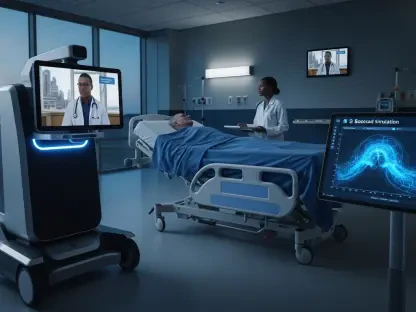
The next frontier in palliative care involves the use of AI-driven Decision Support Tools that help patients visualize the trade-offs of various treatment paths. These platforms can simulate how a specific treatment might impact daily energy levels or cognitive function, providing a clearer picture of the “cost” of a few extra weeks of life. Additionally, there is a growing focus on supporting family caregivers, who often act as secondary decision-makers and carry the long-term emotional weight of these choices.
As global economic conditions fluctuate, the efficiency of palliative resources will depend on prioritizing the patient’s definition of “meaningful time” as the primary clinical outcome. We are anticipating a cultural shift where a “good death” is viewed as a successful medical result. This evolution will likely lead to more personalized, less invasive care paths that honor the individual’s legacy and comfort over clinical throughput.
Synthesis of Findings and Strategic Recommendations for Palliative Care
The research into shared decision-making demonstrated that the link between agency and dignity was the most critical factor in terminal care. Healthcare providers were encouraged to move beyond the role of technical experts and become facilitators of the patient’s personal journey. It became clear that when patients felt heard, their psychological distress decreased, even as their physical health declined.
Moving forward, the industry must prioritize the integration of patient-reported outcomes into every stage of the care plan. Stakeholders should invest in training programs that teach clinicians how to navigate the delicate balance of honesty and empathy. By bridging the gap between legal mandates and clinical reality, the medical community took a significant step toward ensuring that the final chapter of a patient’s life was defined by their own choices rather than by systemic inertia.