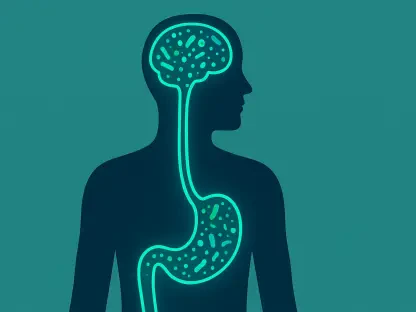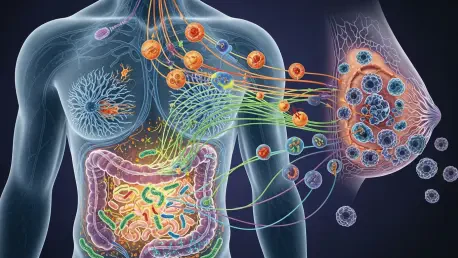

The intricate relationship between the trillions of microorganisms residing in the human digestive tract and the progression of malignant tumors has emerged as a cornerstone of modern oncology, shifting focus from purely genetic mutations to systemic microbial health. Recent investigations conducted at the University of Virginia have shed light on how an imbalance in these microbial communities, a state known as commensal dysbiosis, actively facilitates the spread of hormone receptor-positive breast cancer. This discovery provides a mechanistic explanation for why some tumors remain localized while others aggressively invade distant organs, highlighting a biological pathway previously overlooked by traditional oncology. By examining the chemical signals emitted by gut bacteria, researchers identified that these microorganisms do more than just aid digestion; they effectively dictate the aggressiveness of the disease. This shift in perspective suggests that the body’s overall microbial ecosystem is a primary driver.
The Role of Bile Acids: Mechanisms of Systemic Inflammation
At the molecular level, the transition from a localized tumor to a life-threatening metastatic condition is heavily influenced by the behavior of bile acids, which serve as critical signaling molecules. Under normal physiological conditions, a diverse population of gut bacteria regulates the production and recycling of these acids, maintaining a delicate metabolic balance. However, when the microbiome is compromised by diet, antibiotics, or environment, this regulation fails, leading to a systemic accumulation of bile acids that enters the circulatory system. This buildup does not simply remain in the gut but travels throughout the body, triggering a cascade of inflammatory responses in tissues far removed from the original tumor site. This chronic inflammation functions as a biological alarm, fundamentally altering the cellular environment in distant organs like the lungs and bones. By disrupting normal cellular communication, these unregulated bile acids create an environment that is highly conducive to tumor growth outside the primary site.
This altered environment acts as a fertile soil that actively invites the colonization of circulating tumor cells, significantly increasing the likelihood of successful metastasis. When the gut-lung axis is disrupted by microbial imbalance, the lung tissue undergoes structural and biochemical changes that make it easier for cancer cells to take root and flourish. Consequently, tumor cells that would otherwise remain confined to the breast tissue are given the opportunity to detach, enter the bloodstream, and seek out these prepared niches. The presence of these inflammatory signals ensures that once a cancer cell reaches a new organ, it finds the necessary nutrients and lack of immune interference required to form a secondary colony. This process transforms breast cancer from a manageable, localized disease into a complex systemic challenge. Understanding this pathway allows clinicians to identify patients at higher risk of spread before the first signs of metastasis even appear, providing a window for early intervention.
Clinical Impact: Innovative Strategies for Patient Care
The urgency of this research is underscored by the fact that approximately 225,000 women are diagnosed annually with hormone receptor-positive breast cancer in the United States alone. Data derived from human patient cohorts has increasingly shown a direct correlation between the severity of gut dysbiosis and the aggressiveness of tumor cell migration. By analyzing the metabolic profiles of these patients, scientists found that those with the least diverse gut microbiomes were significantly more likely to experience metastatic recurrence. This connection suggests that the traditional focus on the genetic makeup of the tumor itself provides only half of the story. Incorporating the patient’s microbial health into the initial diagnostic workup could provide a more comprehensive understanding of the individual’s long-term risk. High levels of specific bile acids in the blood have been identified as reliable predictors of how well a patient will respond to standard treatments, aiding in the development of more personalized care.
The paradigm of breast cancer care moved toward a more integrated model where the gut-lung axis and systemic metabolism were treated as primary therapeutic targets. Healthcare providers recognized that managing the microbial ecosystem was as vital as shrinking the tumor, leading to the adoption of personalized nutrition plans and bile acid monitoring as standard practices. These advancements provided a clear roadmap for patients to take an active role in their recovery by maintaining gut diversity through lifestyle choices and medical support. Researchers successfully demonstrated that disarming the biological mechanisms of spread required a focus on the body’s internal environment rather than just the cancer cells. This shift allowed for the creation of more resilient treatment strategies that addressed the disease at its source before it could achieve systemic dominance. Ultimately, the integration of microbiome health into clinical oncology redefined the approach to survivorship and long-term disease management for patients.