
The intricate dance of a living cell remains one of nature’s most guarded secrets, often obscured by the technical limitations that force scientists to analyze its various components in isolation rather than as a single, living system. For decades, the study of the genome has resembled an attempt to assemble a complex jigsaw puzzle while missing more than half of the pieces. While researchers could see the individual fragments—DNA structure, gene activity, and replication timing—they lacked a functional method to see how these parts synchronized within the same cell population. This fragmentation created a significant barrier in oncology and genetic medicine, as the most critical interactions often occurred in the gaps between these isolated data sets.
The introduction of PARTAGE by the University of Minnesota Medical School marks a fundamental shift in this landscape. This methodology, which stands for Parallel Analysis of Replication Timing, Gene Expression, and Copy Number, provides a unified lens that captures the complex behavior of the genome. By integrating three once-disparate fields of study into a single workflow, the platform allows for a high-definition view of cellular mechanics. This development is not merely a technical upgrade; it represents a new philosophy in genomic research where the focus moves from individual components toward the systemic relationships that define health and disease.
The End of Genomic Fragmentation
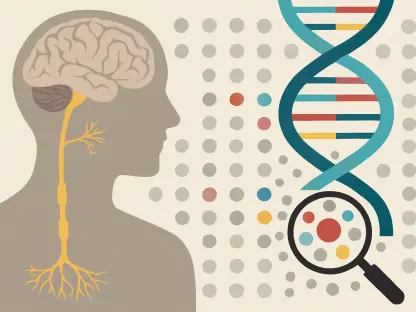
For a long time, geneticists operated like investigators trying to solve a crime by examining three different photos of the same room taken at different times and from different angles. One photo might show the physical furniture, representing the DNA structure, while another captures the occupants moving, similar to gene expression, and a third displays the original building blueprints, comparable to replication timing. While each image provided a clue, the full story of how a cell functions—or begins to fail—remained a blur. The lack of temporal and physical synchronization meant that subtle but vital connections were frequently overlooked or attributed to background noise.
The arrival of PARTAGE changes this dynamic by offering the biological equivalent of a high-definition video where these processes are finally synchronized into a single, coherent narrative. Instead of piecing together data from different cell populations that may have been in different stages of development, scientists can now observe the genome as a living, breathing entity. This clarity is essential for understanding the transition from normal cellular function to the chaotic state characteristic of malignant growth, providing a level of context that was previously impossible to achieve.
Why the Holistic View of the Genome Matters
Traditional genomic research has long been hindered by a silo effect that separates the study of DNA replication, gene expression, and copy number variations. This fragmented approach often led to a loss of information regarding the mechanical links between these processes. In the context of aggressive diseases such as cancer, these missing links are frequently where the most critical biological answers reside. If a researcher only examines gene expression, they might miss the fact that a specific gene is overactive because it was copied at the wrong time during the cell cycle.
Understanding the interactome—the way different cellular systems influence and regulate one another—is the new frontier in precision medicine and disease prevention. A holistic view allows clinicians to see how structural changes in the genome ripple through the entire cellular system, affecting everything from protein production to metabolic pathways. This comprehensive perspective is necessary for moving beyond broad-brush treatments and toward a more nuanced understanding of how individual genetic variations contribute to complex disease phenotypes.
Breaking Down the PARTAGE Framework
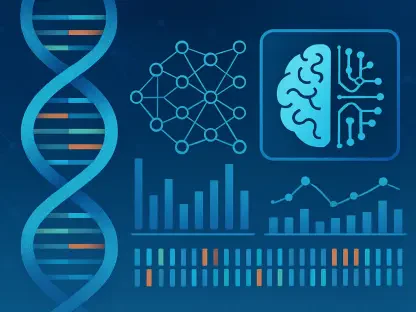
The core innovation of PARTAGE lies in its ability to perform simultaneous measurements, effectively eliminating the need for three separate, resource-intensive experiments. By utilizing a single biological sample, the framework ensures that the data for replication timing, gene expression, and copy number variations is perfectly aligned. This integration allows researchers to observe with precision how the activity level of a gene directly influences the specific moment that gene is copied during the cell cycle. This synchronization removes the variables that typically plague multi-study comparisons, leading to cleaner data and more reliable conclusions.
Validation studies have confirmed that this multi-functional approach does not come at the cost of precision. Data published in the journal Genome Research verified that PARTAGE maintains the same level of accuracy as current gold-standard methods used for individual analyses. It achieves these high-fidelity results while significantly reducing the amount of biological material required. This reduction is particularly beneficial for clinicians working with limited tissue from rare tumor biopsies, where every cell is a precious resource that cannot be wasted on redundant testing.
Furthermore, the framework excels at mapping the scars of genomic instability, which are often the hallmark of advanced cancers. PARTAGE detects copy number variations—extra or missing segments of DNA—with exceptional resolution. By overlaying these structural errors with data on the cell’s internal clock and functional output, researchers can pinpoint exactly how chromosomal breaks disrupt the natural order of the genome. This ability to see the physical damage alongside the functional consequences provides a map of cellular collapse that is both detailed and actionable.
Expert Insights and the Multi-Omics Trend
The move toward multi-omics is a primary focus for leaders in the field, including Dr. Juan Carlos Rivera-Mulia, whose work has emphasized the interconnected nature of the genome. The consensus among researchers is that cancer is rarely the result of a single isolated mutation; rather, it is a systemic breakdown of interconnected processes that normally keep a cell in check. Experts argue that PARTAGE provides the complete view necessary to identify new biomarkers. These biological indicators are essential for predicting how a patient might respond to specific treatments, allowing for a shift from generalized oncology to highly personalized care.
This trend reflects a broader shift in the scientific community toward systems biology, where the focus is on the network rather than the node. By analyzing how replication and expression feedback loops are disrupted, scientists can identify patterns that are invisible when looking at single data streams. This insight is driving the development of a new generation of diagnostic tools that can catch the early signs of genomic instability long before they manifest as physical symptoms or advanced tumors.
Practical Applications for Modern Laboratories
Modern laboratories can adopt this framework to bypass the chronic bottleneck of reconciling disparate data streams. A streamlined workflow reduces the margin for human error and cuts down the time required to move from a raw sample to an actionable genomic map. In an environment where speed and accuracy are paramount, the ability to generate a comprehensive profile in a single pass provides a significant competitive and clinical advantage. This efficiency allows research teams to process larger cohorts of samples, accelerating the pace of discovery in large-scale genomic studies.
By using these tools, researchers can pinpoint specific weak points in the machinery of a cancer cell that were previously hidden. For example, if the data reveals a direct correlation between a specific replication error and the over-expression of a known oncogene, that specific intersection becomes a prime candidate for targeted drug development. This level of specificity enables the design of therapies that interfere with the unique life cycle of a tumor cell, potentially reducing side effects and improving survival rates for patients with complex genetic profiles.
To implement this framework effectively, research teams moved toward transitioning laboratory models into clinical pilot programs. The ability of this technology to reveal the underlying truths of cellular biology made it an indispensable asset for developing targeted therapies. These programs focused on applying the multi-omics data to individual patient profiles, ensuring that the treatment matched the unique genomic scars of the disease. Scientists recognized that the future of oncology depended on this level of integration, and the focus shifted toward making these tools accessible for routine diagnostic use. Researchers also prioritized the expansion of the database to include diverse genetic backgrounds, which ensured that the insights gained from the framework were applicable to a global population. This proactive approach laid the groundwork for a new era of genomic medicine that was both more precise and more efficient than the methods of the previous decade.