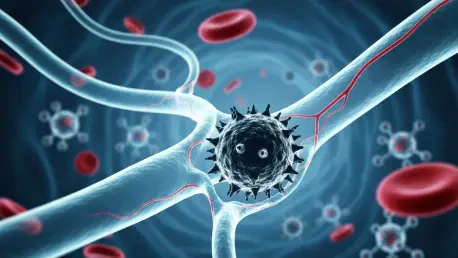

Imagine a silent invader within the body, cunningly crafting escape routes to spread its destruction far beyond its origin. Breast cancer, one of the most prevalent cancers globally, operates with such stealth, manipulating the lymphatic system to fuel its deadly journey. This roundup dives deep into the evolving understanding of how breast cancer reshapes lymphatic vessels to enable metastasis, gathering perspectives from leading researchers, oncologists, and clinical experts. The purpose here is to synthesize diverse insights on this critical mechanism, compare contrasting views on therapeutic potential, and shed light on what this means for future treatment strategies.
Unveiling the Link Between Breast Cancer and Lymphatic Pathways
The connection between breast cancer and the lymphatic system has long been a focal point in oncology, given that lymph nodes often serve as the first stop for spreading cancer cells. Experts widely agree that understanding this relationship is pivotal to curbing metastasis, the process responsible for most cancer-related deaths. Many researchers emphasize that breast cancer doesn’t just passively travel through lymphatic vessels; it actively alters them to create favorable pathways.
However, opinions diverge on the extent to which these changes are solely cancer-driven. Some specialists suggest that pre-existing conditions in the lymphatic system, such as inflammation or genetic predispositions, might play a role in facilitating these alterations. This debate highlights a need for broader studies to pinpoint whether interventions should target cancer-specific mechanisms or broader systemic factors.
Molecular Mysteries: How Cancer Remodels Lymphatic Vessels
Cancer’s Tactical Overhaul of Lymphatic Structures
Diving into the molecular level, a consensus emerges among scientists that breast cancer orchestrates a strategic remodeling of lymphatic vessels to support its spread to sentinel lymph nodes, often located in the armpit. This isn’t a random process but a deliberate transformation, with cancer cells triggering structural and functional changes in these vessels to ease their passage. Research hubs globally report that such remodeling often involves intricate molecular signals that turn lymphatic pathways into highways for metastasis.
Yet, there’s a split in perspective on how universal these changes are across patients. Some experts caution that variations in individual biology could mean that not all breast cancer cases follow the same playbook. This discrepancy fuels discussions on the necessity of personalized approaches to decode and disrupt these alterations effectively.
Spotlight on Matrix Gla Protein (MGP) in Cancer Spread
One protein stealing the spotlight in recent discussions is Matrix Gla Protein (MGP), previously linked to bone health but now recognized as a key player in lymphatic vessel changes during breast cancer metastasis. Many researchers highlight striking evidence from clinical samples showing elevated MGP levels in metastatic lymph nodes compared to unaffected ones. This protein appears to help cancer cells bind to lymphatic vessels, smoothing their deadly journey.
In contrast, a subset of experts warns against overemphasizing MGP’s role without fully understanding its broader biological impacts. Targeting this protein for therapy could carry risks, including unintended effects on other bodily functions. This cautionary stance underscores the complexity of translating molecular discoveries into safe, effective treatments.
Crafting a Perfect Storm for Metastasis
Beyond specific molecules like MGP, the broader tumor microenvironment also garners significant attention as a facilitator of cancer spread. Experts note that molecular shifts in lymphatic vessels create an ideal setting for cancer to metastasize to distant organs, exploiting the body’s natural systems with alarming precision. This orchestrated environment challenges the outdated notion that metastasis is a haphazard event.
Interestingly, regional differences in breast cancer progression add another layer to this conversation. Some oncologists point out that environmental and genetic factors may influence how aggressively cancer manipulates lymphatic pathways in different populations. Such insights push for global research collaborations to map out these variations and tailor interventions accordingly.
Exploring New Frontiers in Treatment Options
When it comes to therapeutic possibilities, optimism runs high among many in the field about blocking lymphatic remodeling to halt cancer’s spread. Discussions often center on designing drugs that could interrupt key molecular interactions, including those involving MGP. Some researchers argue that such targeted therapies could revolutionize breast cancer management by stopping metastasis at its roots.
However, skepticism persists among certain clinical experts who stress that current treatments, like chemotherapy and surgery, still play a dominant role and that speculative therapies need rigorous testing. Insights from various oncology consortia suggest a hybrid approach—integrating lymphatic-focused innovations with existing protocols—might offer the most balanced path forward. This blend of caution and innovation reflects the dynamic nature of cancer research today.
Synthesizing Key Takeaways for Clinical Practice
Pulling together these diverse viewpoints, it becomes clear that breast cancer’s manipulation of lymphatic vessels stands as a cornerstone of metastasis, with molecules like MGP emerging as critical targets. Clinicians and researchers alike advocate for prioritizing lymphatic-focused strategies in treatment development, emphasizing the need to move beyond traditional therapies. This shift could redefine how early-stage breast cancer is managed to prevent its lethal spread.
Moreover, patient advocacy groups are increasingly seen as vital partners in this journey. Experts encourage these groups to leverage emerging knowledge about lymphatic mechanisms to demand research funding and access to cutting-edge interventions. Such collaboration could bridge the gap between lab discoveries and real-world impact, ensuring that patients benefit from the latest scientific advances.
Reflecting on Insights and Next Steps
Looking back, this roundup of expert opinions illuminated the intricate dance between breast cancer and lymphatic vessels, revealing a calculated process of metastasis that stunned even seasoned researchers. The debates over molecular players like MGP and the best therapeutic paths forward painted a picture of a field brimming with both challenge and promise. Diverse perspectives underscored that while significant strides were made, much remained unexplored.
Moving ahead, the focus should pivot toward accelerating clinical trials that test lymphatic-targeted therapies, ensuring they are both safe and effective across varied patient groups. Encouraging international partnerships to study regional differences in cancer progression could also unlock tailored solutions. For those eager to dive deeper, exploring recent publications in oncology journals or engaging with cancer research networks offers a gateway to staying abreast of this evolving battle against breast cancer’s spread.