
The complex interplay between a patient’s systemic metabolic health and the cellular architecture of a tumor has long remained one of the most elusive puzzles in modern oncology. While clinicians have recognized the correlation between obesity and poor cancer outcomes for years, the specific biological mechanisms that allow dietary fats to accelerate tumor growth have often been obscured by the limitations of laboratory environments. This research focuses on triple-negative breast cancer, a particularly aggressive subtype that lacks the hormone receptors targeted by standard therapies, making the discovery of metabolic drivers a matter of urgent clinical necessity.
Researchers at Princeton University sought to bridge this gap by examining how systemic metabolic conditions, specifically those influenced by diet, dictate the progression of malignancy. By targeting triple-negative breast cancer, the study addressed a disease state known for its high rate of metastasis and overall resistance to conventional treatment protocols. The investigation aimed to determine why certain internal environments act as a catalyst for cancer cell invasion, essentially turning a localized health issue into a systemic threat.
The Importance of Accurate Metabolic Context in Oncology
Traditional oncology research has historically relied on two-dimensional cell cultures or animal models that provide only a simplified snapshot of human biology. These models often utilize growth media saturated with sugar and insulin at levels rarely seen in a living human, which can lead to distorted observations of how cancer cells behave. Without a realistic metabolic context, the findings of laboratory experiments frequently fail to translate into effective clinical strategies for human patients, highlighting a critical need for more sophisticated bioengineering in the study of cancer metabolism.
Establishing a deeper understanding of the relationship between nutrition and malignancy offers a direct pathway toward improving survivability through precision nutrition. By replicating the human body’s internal environment with greater fidelity, scientists can observe how metabolic health influences the physical movement and invasive potential of cancer cells. This shift in perspective views the patient’s dietary state not as a passive background factor, but as a functional component of the disease’s progression that can be managed alongside traditional pharmacological interventions.
Research Methodology, Findings, and Implications
Methodology
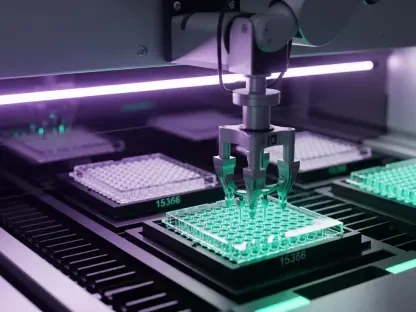
The multidisciplinary team utilized cutting-edge bioengineering to develop a 3D microfluidic tumor model designed to replicate the dynamic conditions of the human body. Unlike standard laboratory setups, this system utilized a human plasmalike medium that accurately mirrored the biochemical composition of blood. Furthermore, the model incorporated interstitial fluid flow, accounting for the constant movement of water-based fluids around tissues, which is a vital but often ignored aspect of human physiology. This innovative platform allowed the researchers to subject triple-negative breast cancer cells to four specific metabolic states: high-insulin, high-glucose, high-ketone, and high-fat environments.
Findings
The results of the study pinpointed hyperlipidemia, or a high-fat environment, as the primary metabolic driver of tumor acceleration. While other conditions such as high glucose or insulin were monitored, it was the high-fat state that fundamentally reprogrammed the cancer cells to become significantly more invasive. The researchers discovered that elevated levels of fatty acids triggered a sharp increase in the expression of the enzyme MMP1, also known as Matrix Metalloproteinase-1. This enzyme acts as a biological chisel, degrading the extracellular matrix that serves as the structural scaffold for healthy tissues and allowing cancer cells to break free from the primary tumor site and enter the bloodstream.
Implications
These findings carry significant weight for both clinical diagnostics and therapeutic planning, as they identify the enzyme MMP1 as a critical biomarker for predicting a poor prognosis. Theoretically, the study validated that the behavior of a tumor is heavily influenced by the surrounding metabolic landscape, rather than being determined solely by its genetic mutations. Practically, this suggests that dietary management is not merely a lifestyle recommendation but a clinical necessity that could be integrated into treatment plans to hinder metastasis. By targeting the metabolic pathways that lead to MMP1 production, physicians may be able to slow down the progression of the most aggressive cancer subtypes.
Reflection and Future Directions
Reflection
The success of this research marked a definitive shift from static laboratory observations toward dynamic, physiologically relevant engineering. By overcoming the hurdle of using “saturated” laboratory media, the team provided a more authentic look at how cancer metabolism functions in a real-world setting. The study underscored that studying cancer cells in isolation is insufficient; the research community must consider the systemic nutrient flow and the interconnected systems of the human body to truly understand malignancy. This approach acknowledged that the mechanical and biochemical cues provided by the internal environment are just as important as the intrinsic properties of the cancer cells themselves.
Future Directions
The current momentum in this field points toward expanding the 3D microfluidic model to investigate how these dietary environments influence resistance to chemotherapy. There is a pressing need to understand if a high-fat diet not only fuels growth but also shields tumors from the toxic effects of medication. Additionally, future investigations will likely explore the complex interactions between the microbiome, the immune system, and these metabolic states. The ultimate objective remains the establishment of evidence-based precision nutrition guidelines that are tailored to the specific metabolic profile of each patient and the unique characteristics of their cancer.
Integrating Metabolic Health into Comprehensive Cancer Care
The research established a definitive link between high-fat dietary conditions and the accelerated invasion of triple-negative breast cancer cells. By utilizing the MMP1 enzyme as a functional bridge, the team demonstrated how a systemic metabolic state can physically alter the structural integrity of surrounding tissues to favor the spread of malignancy. This study provided a robust foundation for future clinical strategies where nutritional intervention is treated with the same scientific rigor as chemotherapy or radiation. The validation of the 3D microfluidic model represented a significant leap forward in creating a more accurate simulation of the human body’s internal landscape.
The investigation proved that the metabolic “soil” in which a tumor grows is just as vital as the “seed” of the cancer itself. By identifying specific enzymes that respond to nutrient levels, the research team offered a tangible target for future drug development and dietary protocols. This work served as a catalyst for a more holistic approach to oncology, where the management of metabolic health was elevated to a primary pillar of cancer care. Ultimately, the study confirmed that controlling the metabolic environment is a powerful tool in the ongoing effort to prevent metastasis and improve the long-term outcomes for patients facing aggressive breast cancer.