
A single class of molecules exists at the very heart of cellular life, acting as both a catalyst for vibrant growth and a quiet harbinger of decline, a duality that has long puzzled the scientific community. These molecules, known as polyamines, are fundamental to the function of every living cell, yet their presence in excess fuels the uncontrolled proliferation of cancer, while their gradual depletion marks the inexorable path of aging. This profound biological enigma—how one substance can be so deeply involved in two opposing fates—has now been illuminated by a landmark discovery that redefines our understanding of cellular control and opens new avenues for treating humanity’s most persistent health challenges.
The Cellular Double Agent a Single Molecule Two Fates
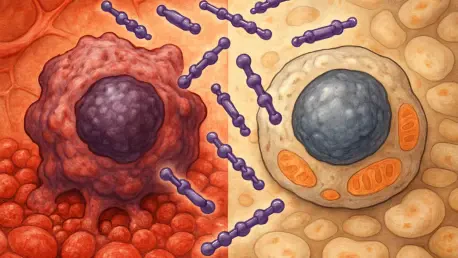
For decades, researchers have grappled with the contradictory roles of polyamines. In the context of oncology, these molecules are unequivocally linked to malignancy. Cancer cells exhibit an insatiable appetite for polyamines, hijacking cellular machinery to ramp up their production, which in turn supports the rapid and relentless division necessary for tumor growth. This well-documented correlation has made polyamine metabolism a target for certain cancer therapies, yet the precise mechanisms of their pro-tumor activity remained partially obscured.
In stark contrast, the narrative surrounding polyamines shifts dramatically when viewed through the lens of gerontology. Numerous studies have established a clear link between declining polyamine levels and the physiological processes of aging. Their scarcity is associated with a decrease in cellular vitality and function, suggesting that maintaining adequate levels could be crucial for promoting longevity and a longer “healthspan.” This two-faced nature has positioned polyamines as a central paradox in biology: a molecule essential for youthful vitality that can become a dangerous accelerant of disease.
The Polyamine Paradox and Why This Tiny Molecule Matters
Polyamines are small, positively charged organic compounds found ubiquitously across all domains of life, from bacteria to humans. They are indispensable for a host of critical cellular processes, including DNA stabilization, gene expression, and cell proliferation. Their fundamental importance is underscored by the fact that life, as we know it, cannot exist without them. This makes their dysregulation particularly impactful, as ripples from their fluctuating concentrations can spread throughout the entire cellular system.
The mystery has always been the translation of this chemical presence into a biological command. How does a simple metabolite, lacking the complexity of a protein or a nucleic acid, exert such profound and specific control over a cell’s destiny? The long-standing hypothesis was that polyamines must interact with larger macromolecules to carry out their functions, but the nature of these interactions and the downstream consequences were largely a black box. Understanding this connection is not merely an academic exercise; it holds the key to developing strategies that could selectively inhibit their function in cancer while potentially boosting it to combat aging.
Cracking the Code a New Mechanism of Cellular Control
A recent breakthrough, detailed in a seminal Nature study, has finally provided a definitive answer. An international team of scientists discovered that polyamines function as powerful metabolic regulators by directly binding to other proteins and fundamentally altering their activity. The core of this mechanism lies in their ability to reshape the cell’s “phosphoproteomic landscape.” Polyamines physically attach to specific sites on proteins, changing their structure in a way that either promotes or inhibits phosphorylation—the addition of a phosphate group that acts as a molecular on/off switch. By controlling this vast network of switches, polyamines can dictate the function of countless proteins simultaneously.
This regulatory power is perhaps most clearly demonstrated in their control over alternative splicing, a process that allows a single gene to produce a multitude of different protein variants, or isoforms. These isoforms can have distinct and even opposing functions, allowing a cell to adapt its protein repertoire to specific needs. The research revealed that polyamines bind directly to key proteins that manage this splicing machinery. By doing so, they influence which protein isoforms are produced, effectively guiding complex cellular decisions such as whether a cell should divide, differentiate into a specialized type, or initiate programmed cell death.
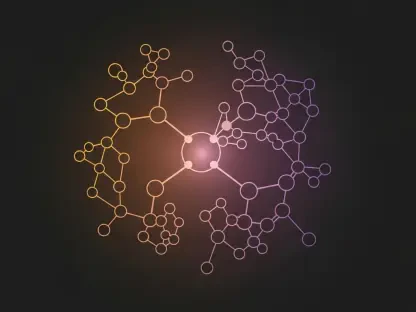
This discovery points not to an isolated biological quirk but to a widespread and fundamental principle of cellular regulation. The investigation identified hundreds of proteins possessing the specific structural motifs required for polyamine binding, suggesting that this mechanism is a universal strategy cells use to sense and respond to their metabolic state. Polyamines, therefore, act as messengers, translating changes in cellular metabolism into direct, functional changes in the proteome, the cell’s complete set of proteins. This provides a new framework for understanding how cells maintain balance and make critical fate decisions.
Inside the Breakthrough The Science Behind the Discovery
Solving this long-standing biological puzzle required a sophisticated and integrated scientific approach, spearheaded by researchers at CIC bioGUNE. The international collaboration drew upon a wide range of expertise to attack the problem from multiple angles, ensuring that the conclusions were robust and comprehensive. This multi-faceted investigation was crucial for connecting the dots from the atomic level of molecular interaction to the observable behavior of the cell as a whole.
The team employed a powerful combination of cutting-edge techniques to move from hypothesis to confirmation. The journey began in the virtual world, with molecular simulations predicting how polyamines might physically interact with target proteins. These computational models were then brought into the lab, where biochemical and structural analyses confirmed the direct binding and its effect on protein phosphorylation. To understand the global impact, the scientists utilized advanced proteomics to map the entire phosphoproteome, revealing widespread changes in protein activity that correlated directly with polyamine levels. Finally, cellular assays provided the ultimate proof, demonstrating the tangible consequences of these molecular events on cell behavior and function.
From Lab to Life The Future of Medicine and Longevity
The implications of this newfound mechanism are poised to create a significant impact on clinical practice, particularly in oncology. For years, therapies have targeted polyamine production to starve cancer cells, but with limited success in many tumor types. This research illuminates the downstream pathways that polyamines activate to promote cancer, offering a new set of highly specific targets. By understanding which protein switches are flipped by excess polyamines, it becomes possible to design next-generation drugs that block these specific effects, potentially leading to more potent and less toxic treatments for cancers like neuroblastoma and beyond.
Conversely, the discovery provides a strong scientific rationale for harnessing polyamines to promote healthy aging. As their levels naturally decline with age, interventions aimed at restoring them have shown promise in preclinical models. Dietary supplementation with polyamine-rich foods is emerging as a practical strategy to enhance longevity and combat age-related decline. This study offers a clear mechanistic basis for these benefits, explaining how boosting polyamines can positively modulate cellular pathways associated with healthspan. This knowledge could pave the way for refined nutritional guidelines and novel anti-aging therapies designed to maintain cellular vitality well into our later years.
The work accomplished by this global team provided a pivotal shift in the comprehension of cellular metabolism. It revealed how a small, unassuming molecule acts as a master conductor of protein function, guiding the most critical decisions a cell must make. This discovery not only resolved a decades-old biological mystery but also established a concrete foundation upon which novel interventions against both cancer and aging could be built, promising a future where the cellular double agent might be harnessed exclusively for our benefit.