
The scientific community has long searched for a way to reverse the cellular decay associated with chronic organ failure, yet recent breakthroughs suggest that a medication originally designed to repair cardiac tissue may hold the key to regenerating damaged kidneys. This innovative therapeutic approach centers on the use of modified messenger RNA molecules that encode for vascular endothelial growth factor, a protein essential for the formation and maintenance of healthy blood vessels. While the primary objective of this pharmaceutical intervention was to restore blood flow to heart tissue following a myocardial infarction, researchers discovered that the same biological triggers could be repurposed to address the scarring and vascular depletion seen in renal pathologies. The ability to stimulate the body’s intrinsic repair mechanisms represents a departure from traditional symptomatic management, offering a glimmer of hope for patients navigating the complexities of advanced renal failure.
Biological Foundations: Mechanisms of Vascular Endothelial Growth Factor
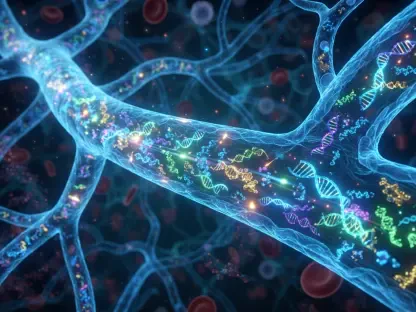
The underlying technology utilizes lipid nanoparticles to deliver specific instructions directly to the cells surrounding the site of injury, effectively turning the organ into a temporary manufacturing site for its own healing agents. By introducing synthetic sequences that mimic the natural production of growth factors, the treatment bypasses the systemic side effects typically associated with high-dose protein injections. In the context of kidney health, this means that the delicate network of capillaries within the nephrons, which often succumb to high blood pressure or inflammatory damage, can be stimulated to sprout new branches and restore filtration efficiency. This process, known as angiogenesis, is critical because the loss of microvasculature is a primary driver of fibrosis, where functional tissue is replaced by non-functional scars. Consequently, the drug does not merely mask the symptoms of decline but actively works to reestablish the structural integrity required for waste filtration.
Building on these vascular improvements, the therapy also appears to modulate the inflammatory environment that typically prevents natural regeneration within the renal cortex and medulla. Chronic kidney disease often creates a self-perpetuating cycle of oxidative stress and cell death, where the immune system’s response inadvertently causes further destruction of healthy tissue. The heart-centric drug intervenes by stabilizing the metabolic state of tubular epithelial cells, which are responsible for reabsorbing essential nutrients and maintaining electrolyte balance. Early observational data indicate that when these cells receive the regenerative signal, they are less likely to undergo apoptosis and more likely to enter a proliferative state. This shift from a degenerative trajectory to a restorative one marks a significant milestone in regenerative medicine, as it suggests that the biological barriers to kidney repair are not as insurmountable as previously believed.
Clinical Integration: Transitioning From Cardiac Repair to Renal Care
As research transitioned into the current era, the focus shifted toward optimizing delivery systems to ensure that the mRNA payload reaches the kidneys with high precision without accumulating in the liver. Advanced bio-distribution studies have utilized tagged molecules to track the path of the drug through the circulatory system, confirming that targeted delivery significantly enhances the therapeutic window. In clinical trials starting from 2026 through 2028, investigators have observed measurable improvements in glomerular filtration rates among patients who had previously shown no response to standard care. These improvements are not just statistical anomalies but represent a functional recovery of the kidney’s ability to clear toxins from the blood. The integration of this heart-repair technology into nephrology clinics has been supported by advancements in biocompatible materials, which allow for a more controlled release of the medication over several days to maximize therapeutic impact.
The successful cross-application of cardiac regenerative therapies to renal medicine demonstrated that organ-specific boundaries are becoming increasingly porous in the field of drug development. Healthcare systems began prioritizing the identification of biomarkers that predict patient responsiveness to mRNA-based treatments, ensuring that these high-tech interventions were directed toward individuals most likely to benefit. Medical professionals moved toward a more integrated approach, where the monitoring of cardiovascular and renal health was handled through synchronized treatment plans. Future considerations were centered on the expansion of these regenerative protocols to address other fibrotic conditions, such as liver cirrhosis or pulmonary scarring. The primary takeaway was that the legacy of heart repair drug research provided a robust framework for managing multifaceted organ failure. Stakeholders were encouraged to invest in multi-organ clinical platforms, and clinicians were advised to integrate molecular diagnostics into routine renal checkups.