
The global pharmaceutical landscape is currently navigating a period of intense pressure as the rise of multi-drug resistant pathogens outpaces the traditional speed of antibiotic development. For decades, the process of vetting new chemical entities has been a fragmented journey, requiring researchers to jump through separate hoops for efficacy, safety, and cellular entry. This disjointed approach often leads to late-stage failures, where a compound that successfully kills bacteria in a petri dish turns out to be toxic to human cells or unable to penetrate biological membranes. To address these systemic inefficiencies, a revolutionary high-throughput screening platform has emerged that utilizes the unique biological properties of the microalga Euglena gracilis. By consolidating multiple testing phases into a single, unified procedure, this technology allows for the simultaneous evaluation of antibacterial activity, cytotoxicity, and permeability, effectively removing the major hurdles that have historically slowed the pipeline of medical innovation.
Biological Versatility and Sensory Capabilities
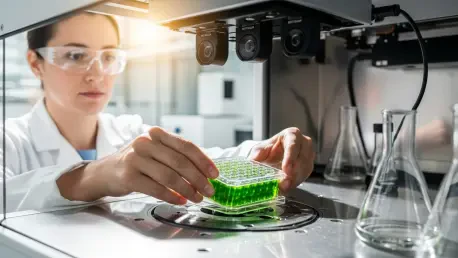
The selection of Euglena gracilis as the primary biological agent for this screening platform is rooted in its extraordinary evolutionary position between the plant and animal kingdoms. This photosynthetic microalga possesses a cellular complexity that far exceeds that of common bacterial models, featuring a flexible pellicle and a sophisticated metabolic system that mirrors many functions found in higher eukaryotic organisms. Because it exhibits both autotrophic and heterotrophic behaviors, it serves as a highly representative model for assessing how chemical substances interact with complex cellular structures. Its dual nature allows it to respond to a wide array of stimuli, making it an ideal surrogate for human cellular responses during the initial phases of drug testing. This biological bridge provides scientists with a more holistic view of a molecule’s impact, ensuring that the data gathered is relevant to both the pathogen being targeted and the host organism that will eventually receive the treatment.
Beyond its basic structural advantages, the microalga functions as a dynamic “living sensor” that provides real-time feedback on its physiological state. The robust membrane dynamics of Euglena are particularly sensitive to chemical fluctuations, allowing for the immediate detection of membrane-disrupting agents or metabolic inhibitors. When exposed to potential drug candidates, the alga’s movement, photosynthetic efficiency, and overall vitality undergo measurable changes that can be tracked with high precision. This inherent sensitivity eliminates the need for complex pre-treatment of samples, as the biological organism naturally broadcasts its health status through observable phenotypic shifts. By harnessing these innate sensory capabilities, the platform transforms a simple microorganism into a powerful diagnostic tool, capable of identifying subtle biological interactions that might be missed by more static, conventional laboratory assays currently used in the industry.
Streamlining the Development Workflow
A critical advantage of this integrated approach is its ability to identify and eliminate “false positives” at the very beginning of the drug discovery funnel. In traditional workflows, a compound might demonstrate impressive antibacterial properties in one test, only to be discarded months later when separate cytotoxicity assays reveal it is harmful to mammalian cells. This retrospective discovery of toxicity leads to a massive waste of time, labor, and financial resources. The Euglena assay solves this problem by performing efficacy and toxicity checks concurrently; if a substance kills bacteria but also negatively impacts the alga’s health, it is immediately flagged as potentially toxic. This simultaneous screening ensures that researchers only invest their efforts into “lead” compounds that possess a favorable therapeutic index. By merging these once-distinct evaluations, the platform significantly compresses the development timeline, allowing for a more focused and efficient transition from the laboratory to clinical evaluation.
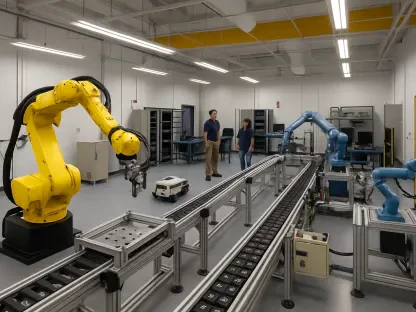
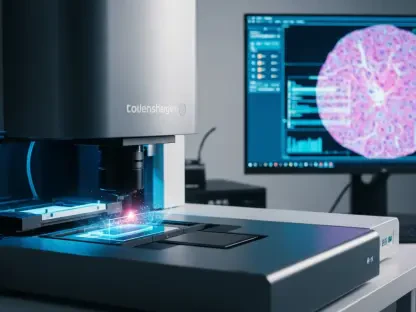
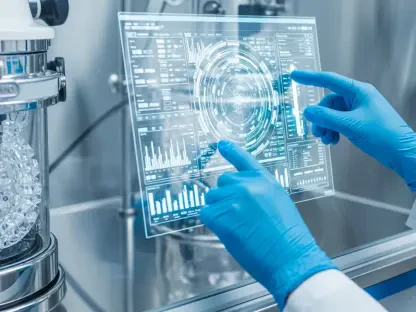
The technical precision of the platform is further bolstered by the integration of advanced analytical tools such as flow cytometry and high-resolution spectroscopic imaging. These technologies allow for the quantification of cellular responses on a granular level, using fluorescence-based markers to track membrane integrity and metabolic activity. By employing these high-throughput methods, scientists can process thousands of compounds in a fraction of the time required by manual protocols. This data-driven environment facilitates rapid iterative testing, where minor adjustments to a molecule’s chemical structure can be immediately evaluated for their impact on biological performance. The high level of reproducibility offered by these automated systems ensures that the results are consistent across different laboratory settings, providing a solid foundation for regulatory submissions and further pharmacological development. This synergy between biology and engineering marks a new era of precision in drug design.
Economic Impact and Ethical Advancements
The shift toward Euglena-based screening also addresses the escalating costs associated with modern research and development, which have often limited the scope of innovation to a few well-funded entities. Conventional high-throughput screening requires an expensive suite of specialized reagents, diverse cell lines, and specialized equipment that can be prohibitively costly for smaller biotechnology firms and academic institutions. In contrast, Euglena gracilis is relatively inexpensive to cultivate and maintain, requiring minimal specialized infrastructure. By condensing three essential testing protocols into a single-step process, the platform dramatically reduces the consumption of laboratory consumables and the need for repetitive manual labor. This democratization of research capacity allows a broader range of scientists to engage in high-level antimicrobial discovery, fostering a more diverse and competitive environment that is essential for tackling the global challenge of antibiotic resistance effectively.
In addition to financial benefits, the adoption of this platform represents a significant ethical advancement in the field of toxicology and drug safety. There is an increasing global movement to reduce the reliance on animal models in early-stage testing, driven by both ethical concerns and the scientific limitations of cross-species data translation. As a sophisticated in vitro model, Euglena provides a humane and scientifically valid alternative that aligns with modern international standards for sustainable research. The ability to predict potential toxicity in a complex eukaryotic system without using animal subjects not only simplifies the regulatory pathway but also promotes a more compassionate scientific framework. Furthermore, the versatility of the assay extends into environmental sectors, where it can be used to monitor water quality or assess the safety of cosmetic ingredients, proving that ethical innovation can simultaneously drive progress across multiple scientific disciplines.
Strategic Value for Modern Industry
The inherent scalability of the Euglena platform makes it a highly attractive asset for the modern industrial landscape, where speed and volume are paramount. Large-scale pharmaceutical operations can easily integrate this microalga-based system into their existing automated pipelines, replacing more cumbersome and less sensitive biological assays. The straightforward nature of the cultivation and testing process means that it can be deployed across various global sites without the need for extensive restructuring or specialized training. This operational flexibility allows companies to maintain a high volume of screening even during supply chain disruptions or shifts in research priorities. By providing a reliable and robust testing environment, the technology helps stabilize the early stages of the drug discovery pipeline, ensuring a steady flow of viable candidates for further clinical testing. This strategic integration ultimately strengthens the competitive edge of organizations.
Looking toward the future of clinical applications, the platform holds immense potential for the growing field of personalized medicine and targeted therapy. The parameters of the Euglena assay can be specifically tuned to reflect the biological targets of unique microbial strains or even specific patient profiles. This level of customization could allow clinicians to screen a library of potential treatments against a specific pathogen variant, identifying the most effective drug with the lowest potential for side effects before a treatment plan is even initiated. Such a capability would revolutionize the management of complex infections, moving away from a “one-size-fits-all” approach toward a more precise, data-backed medical strategy. As diagnostic tools become more integrated with therapeutic discovery, the role of versatile biological models like Euglena will continue to expand, offering a pathway toward more effective and patient-centric healthcare solutions across the globe.
Implementation and Practical Considerations
The successful deployment of the Euglena gracilis platform provided a clear roadmap for modernizing biological screening protocols. Organizations that adopted this methodology reported a significant decrease in the time required to move from initial compound synthesis to lead optimization. To maximize the benefits of this technology, it was essential for laboratories to invest in compatible imaging systems and data management software that could handle the high volume of information generated by the assay. Furthermore, the integration process required a collaborative effort between microbiologists and bioengineers to ensure that the physical screening environment maintained the optimal conditions for the alga’s health. These practical steps were foundational in transforming a scientific discovery into a functional industrial tool. By prioritizing technical training and infrastructure upgrades, the scientific community successfully bridged the gap between basic research and scalable pharmaceutical production.
The broader implications of this technological shift were reflected in a more agile and responsive drug discovery ecosystem. The ability to perform multi-parameter testing in a single step allowed for a more thorough exploration of chemical space, uncovering unique molecules that might have been overlooked by more rigid testing structures. Policymakers and industry leaders recognized the value of these streamlined processes, leading to the establishment of new standards for early-stage toxicity and efficacy reporting. As a result, the pharmaceutical industry moved toward a more transparent and evidence-based model of development. The transition to microalga-based screening was not merely a technical upgrade but a fundamental change in the philosophy of drug safety and efficiency. This evolution set a new benchmark for how biological organisms could be harnessed to solve some of the most pressing medical challenges of the modern era.