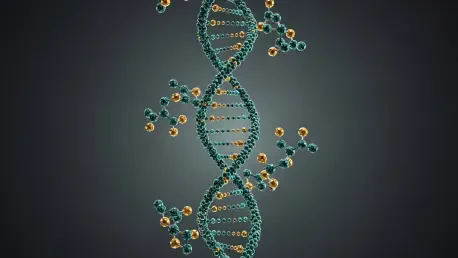

The traditional understanding of oncology, which once focused almost exclusively on fixed genetic mutations as the sole drivers of malignancy, is currently undergoing a radical transformation as researchers shift their attention toward the epigenetic “software” that governs cellular behavior. In the context of thyroid cancer, this shift has led to the discovery that chemical modifications to DNA, specifically through a process known as methylation, act as a master control system for how tumor cells process energy and nutrients. By moving beyond the static blueprint of the genome, scientists are now uncovering how these epigenetic marks allow cancer cells to adapt, survive, and thrive even in the most hostile physiological environments. This landmark exploration into the intersection of the methylome and the metabolome suggests that the aggressiveness of a tumor is not just a matter of which genes are present, but rather which ones are being silenced or activated by the chemical landscape surrounding the DNA strand.
This sophisticated crosstalk between epigenetic signatures and metabolic pathways reveals that DNA methylation is far more than a passive byproduct of cellular distress or a simple marker of disease progression. Instead, it functions as a dynamic and responsive regulatory layer that actively reshapes the bioenergetic strategy of the cell to facilitate rapid growth and survival. By deciphering this bidirectional communication, researchers are finally beginning to understand the long-standing mystery of why two tumors with identical genetic mutations can follow drastically different clinical paths. The epigenetic programming of the cell dictates its metabolic fate, determining whether a tumor remains indolent or becomes a highly invasive threat. This perspective is redefining the search for therapeutic targets, placing the spotlight on the reversible chemical modifications that hold the keys to the metabolic identity of thyroid cancer.
Reshaping the Metabolic Landscape
The Warburg Effect and Bioenergetic Strategy
One of the most defining characteristics of advancing thyroid cancer is its ability to abandon efficient energy production in favor of a specialized survival tactic known as the Warburg effect. In a healthy state, thyroid follicular cells rely on oxidative phosphorylation within the mitochondria to generate the fuel necessary for normal function. However, as the disease progresses, hypermethylation of specific gene promoters effectively “muffles” the genetic instructions required for mitochondrial maintenance. This epigenetic silencing forces the cell to pivot toward aerobic glycolysis, a process that ferments glucose into lactate even when oxygen is abundant. While this might seem like an inefficient way to produce energy, it is actually a highly strategic bioenergetic maneuver. This metabolic shift allows the cancer cell to prioritize speed over efficiency, ensuring a constant flow of energy that supports the relentless pace of malignant replication and structural expansion within the thyroid gland.
Beyond merely providing fuel, this transition to a glycolytic state serves a much broader purpose by generating the essential metabolic intermediates required for the synthesis of cellular building blocks. When a thyroid cancer cell hypermethylates its metabolic regulators, it essentially retools its internal factory to produce an abundance of proteins, lipids, and nucleic acids. These raw materials are the fundamental requirements for constructing new cellular membranes and duplicating genetic material during rapid proliferation. Consequently, the hypermethylated state is not just a side effect of cancer; it is a foundational prerequisite for the tumor’s physical expansion. Without this specific epigenetic reconfiguration of the metabolome, the cancer would lack the structural resources necessary to sustain its growth. This deep connection between DNA methylation and biomass production highlights how the epigenetic landscape directly facilitates the most aggressive physical traits of thyroid tumors.
Mitochondrial Suppression and Nutrient Acquisition
The suppression of mitochondrial function through targeted DNA methylation represents a sophisticated level of control that allows thyroid cancer cells to survive under extreme physiological pressure. By dampening the activity of the electron transport chain through promoter methylation, the cell reduces the production of reactive oxygen species that might otherwise trigger self-destruction or programmed cell death. This protective mechanism ensures that the tumor can maintain its integrity even as it undergoes the high-stress process of invading surrounding tissues. Furthermore, this metabolic reprogramming alters how the cell interacts with its external environment, specifically regarding how it scavenges for nutrients like glutamine and glucose. The result is a cell that is no longer a cooperative part of a biological system but a highly optimized, independent entity focused solely on its own persistence and multiplication.
As the cancer cell solidifies its reliance on these alternative metabolic pathways, the epigenetic marks become more entrenched, creating a specialized niche for the tumor within the host. This specialization is particularly evident in how thyroid cancer cells utilize lactate, once considered a mere waste product, as a signaling molecule and a potential carbon source for neighboring cells. This complex nutrient sharing and acquisition are governed by the underlying methylation patterns that regulate transporter proteins on the cell surface. By controlling the expression of these transporters through epigenetic silencing or activation, the tumor ensures it has a monopoly on the local nutrient supply. This level of metabolic dominance, orchestrated by DNA methylation, explains why aggressive thyroid cancers are so effective at outcompeting healthy tissues for the resources required to maintain their rapid and destructive growth trajectory.
Mechanics of Epigenetic Control
DNMT1 Activity and Precision Gene Editing
At the heart of these profound metabolic changes lies the enzyme DNA methyltransferase 1, often abbreviated as DNMT1, which functions as the primary architect of the tumor’s epigenetic landscape. In aggressive thyroid cancer cases, DNMT1 is frequently found to be overactive, working tirelessly to maintain and expand the patterns of DNA methylation that favor tumor survival. One of its most critical targets is the PGC-1α gene, a master regulator responsible for mitochondrial health and the creation of new energy-producing organelles. When DNMT1 targets the promoter region of PGC-1α, it essentially locks the cell’s “power plants” in a state of permanent dormancy. This loss of mitochondrial biogenesis is a decisive moment in the life of a cancer cell, as it removes the last remaining brakes on the glycolytic engine. The overactivity of DNMT1 thus serves as a molecular switch that commits the thyroid cell to a malignant and highly adaptive metabolic phenotype.
To validate the causal role of these chemical marks, researchers are now employing cutting-edge CRISPR-based epigenetic editing tools that can target specific methyl groups with unprecedented precision. Unlike traditional gene editing which permanently alters the DNA sequence, this programmable approach allows scientists to “erase” the methylation marks on silenced promoters without changing the underlying genetic code. When these tools are used to demethylate the PGC-1α promoter in thyroid cancer models, the results are nothing short of transformative. The previously silenced genes “wake up,” and the cancer cells begin to reinstate normal mitochondrial function, significantly slowing their glycolytic flux. This successful intervention provides definitive proof that the metabolic identity of a thyroid tumor is not a fixed destiny but a plastic state that can be fundamentally reprogrammed. This discovery opens the door to a new era of “epigenetic resetting” as a viable therapeutic strategy.
Reversing the Malignant Phenotype Through Demethylation
The ability to reverse the malignant metabolic phenotype through targeted demethylation suggests that the “software” of the cancer cell can be updated to restore healthy behavior. In experimental settings, when the methylation-induced blocks on oxidative phosphorylation are removed, the cancer cells lose much of their aggressive edge and become more susceptible to normal regulatory signals. This reversal is not just limited to energy production; it also affects the cell’s ability to synthesize the building blocks required for growth, effectively starving the tumor from the inside out. By restoring the expression of metabolic gatekeepers, researchers have demonstrated that it is possible to force the cancer cell back into a state where it must compete fairly for resources. This metabolic “normalization” represents a significant departure from traditional cytotoxic treatments that aim to kill cells indiscriminately, offering a more nuanced approach to cancer management.
Furthermore, the insights gained from these precision editing experiments are helping to map the entire regulatory network that connects DNMT1 to various metabolic checkpoints. It appears that the silencing of PGC-1α is just the first domino in a larger cascade of epigenetic events that reorganize the entire cellular economy. Other enzymes involved in fatty acid oxidation and amino acid metabolism are also subject to this DNMT1-mediated control, creating a comprehensive “metabolic shield” for the tumor. By identifying these specific nodes of control, scientists can develop more targeted pharmacological inhibitors that mimic the effects of CRISPR-based editing. This research is paving the way for a generation of therapies that do not just attack the tumor’s structure but systematically dismantle the epigenetic infrastructure that allows it to maintain its metabolic dominance over healthy thyroid tissue.
Clinical Realities and Future Frontiers
Therapeutic Resistance and Environmental Influences
The clinical implications of this research are profound, particularly regarding the long-standing challenge of therapeutic resistance in advanced thyroid cancer. The study reveals a clear and direct link between high levels of DNA methylation and a tumor’s ability to survive standard chemotherapy and radioactive iodine treatments. When a cancer cell has successfully rewired its metabolism through epigenetic silencing, it gains a level of flexibility that allows it to bypass the physiological stress and DNA damage induced by conventional drugs. These “metabolically shielded” cells can enter a state of dormancy or utilize alternative energy pathways to survive treatment, only to emerge later as a recurrent and more aggressive disease. Identifying these specific methylation signatures at the time of biopsy could therefore serve as a powerful biomarker, allowing clinicians to predict which patients are likely to resist standard care.
Beyond internal cellular mechanics, the research also highlights the critical influence of the tumor microenvironment on the stability of these epigenetic marks. Factors such as localized hypoxia, or low oxygen levels, and nutrient scarcity act as external triggers that further stimulate the activity of DNMTs. This creates a dangerous self-sustaining loop: the harsh conditions within a growing tumor drive the very methylation patterns that enable the cells to survive those same conditions. As the environment becomes more stressed, the cancer’s epigenetic programming becomes more entrenched, making the tumor increasingly difficult to eradicate. Breaking this cycle requires a sophisticated multi-pronged strategy that does not just target the cancer cells themselves, but also addresses the environmental cues that maintain their epigenetic state. Combining metabolic inhibitors with epigenetic-modifying drugs could restore the tumor’s vulnerability to the body’s natural defenses.
Strategic Integration of Epigenetic Therapies
As the medical community looks toward the next several years, the integration of epigenetic-modifying agents into standard oncology protocols appears to be an essential step for improving patient outcomes. By using DNMT inhibitors as a “priming” treatment, clinicians may be able to strip away the metabolic defenses of a thyroid tumor before administering traditional therapies. This approach would effectively “reset” the cellular environment, making it much harder for the cancer to bypass the effects of chemotherapy or targeted kinase inhibitors. Early trials and computational models suggest that this sequential therapy could significantly lower the required doses of toxic drugs while increasing their overall efficacy. This strategy moves us closer to a future where thyroid cancer treatment is not a one-size-fits-all approach, but a carefully orchestrated intervention tailored to the specific epigenetic and metabolic profile of the individual patient’s tumor.
Ultimately, the consensus emerging from this body of work is that the future of thyroid cancer management lies at the intersection of various biological disciplines. The ability to monitor DNA methylation patterns in real-time using liquid biopsies or advanced imaging could allow for dynamic treatment adjustments as the tumor evolves. If a specific metabolic pathway is seen to be shutting down due to new methylation activity, therapy can be pivoted to address that specific shift before resistance fully takes hold. This proactive stance marks a shift from reactive medicine to a more predictive and preventative model of cancer care. By continuing to explore how the methylome controls the metabolome, researchers are not just finding new ways to kill cancer cells—they are learning how to rewrite the very rules that allow those cells to exist in the first place, offering a more hopeful outlook for those facing aggressive diagnoses.