
The relentless cycle of pricking fingertips and calibrating insulin pumps has defined the existence of millions for decades, yet a silent revolution in bio-electronics is now promising to dismantle this clinical burden forever by merging living tissue with synthetic intelligence. For those living with Type 1 diabetes, the body operates like a thermostat that has lost its connection to the furnace. The biological machinery responsible for maintaining equilibrium—the delicate islet cells of the pancreas—has effectively been shuttered by an overzealous immune system.
This failure of the body’s internal glucose regulator is no longer being met solely with external patches or synthetic hormones. Instead, a breakthrough involving a conductive mesh thinner than a human hair is rewriting the rules of endocrinology. By creating a “cyborg” organoid, researchers are moving past the era of symptom management and toward a future defined by biological autonomy. This fusion of regenerative medicine and high-tech engineering represents a fundamental shift in how chronic metabolic diseases are treated.
The End of the Insulin Dependency Era
Daily life for a diabetic is an exhausting exercise in mathematics and vigilance, where every meal and every physical movement requires a calculated response. The traditional approach has relied on the patient to act as a manual override for a broken system, using pumps and sensors to mimic a function the body should perform naturally. However, the introduction of bio-electronic scaffolding allows for the restoration of this internal logic. It marks the beginning of an age where the patient is no longer tethered to a device, but rather carries a self-regulating, living solution.
The core of this “bionic” advancement lies in its ability to repair the communication breakdown between cells. When the pancreas can no longer sense and react to sugar, the entire metabolic engine stalls. By integrating synthetic materials directly into living tissue, scientists have created a bridge that allows for the restoration of the natural feedback loops. This technology does not just replace insulin; it replaces the decision-making process of the organ itself, providing a sense of freedom that was previously thought to be impossible for those with chronic dependency.
The Bottleneck in Modern Diabetes Treatment
The biological reality of Type 1 diabetes is rooted in an autoimmune betrayal where the body’s own defense mechanisms target and destroy insulin-producing islet cells. While traditional donor transplants offered a glimmer of hope, they were often hindered by severe practical limitations. A chronic shortage of donor organs meant that only a fraction of patients could receive treatment, and those who did were forced into a secondary battle against the high costs and physical toll of lifelong immunosuppression.
In response, lab-grown stem cells appeared to be the logical successor, yet they presented their own unique challenge: the “undecided undergraduate” problem. In the sterile environment of a laboratory, these stem cells often fail to mature into fully functional islet cells. They remain in a state of developmental limbo, unable to secrete insulin with the precision required to keep a human being healthy. This created a critical need for a bridge between synthetic engineering and regenerative medicine to push these cells into their final, functional form.
Engineering the Cyborg Organoid
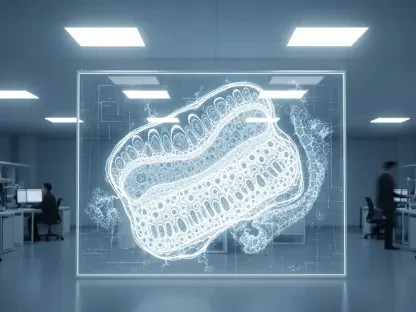
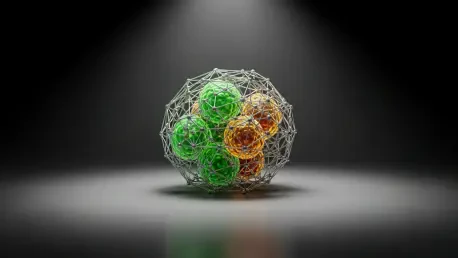
To solve this maturation crisis, engineers have developed a method to integrate bio-electronics directly into the cellular structure. A conductive, stretchable mesh is woven into the growing tissue, creating a hybrid environment where living cells and electronic sensors coexist. This mesh does not just sit on the surface; it permeates the organoid, allowing for direct interaction at the cellular level. By applying subtle electrical pulses, researchers can effectively provide a “cellular PhD,” forcing the lab-grown islets to mature and specialize.
This process relies on simulating the body’s internal clock through 24-hour circadian rhythm pacing. In a natural environment, the pancreas does not function in a vacuum; it responds to the rhythmic cycles of the human body. By using the mesh to deliver timed electrical signals, the “cyborg” organoid learns to operate within these biological parameters. This transition moves the cells from being independent, uncoordinated units to a synchronized, high-functioning team capable of responding to the complex demands of human metabolism.
Proven Results in Cellular Synchronization
The efficacy of this approach was validated through collaborative research involving the Perelman School of Medicine and Harvard’s School of Engineering. By using the integrated mesh to track cellular health in real time, the team was able to monitor the organoids for over sixty days. This long-term data provided clear evidence that the electronic intervention was not just a temporary fix but a permanent upgrade to the tissue’s functional capacity. The mesh acted as both a monitor and a mentor for the developing cells.
A key outcome of this stimulation was the “teamwork” effect, where electrical pacing ensured a coordinated pulse of insulin. Instead of cells firing at random, the entire organoid began to work in unison, mimicking the behavior of a healthy, natural pancreas. Expert perspectives on the study highlighted that this synchronization is essential for preventing “cellular regression.” In harsh biological environments where cells might otherwise lose their identity or function, the electronic scaffold provided the stability necessary to maintain long-term health and reliability.
Pathways to a Permanent Clinical Cure
The roadmap toward a clinical cure involves two distinct strategies for implementing these cyborg transplants. The first is a training model, where the electronic mesh is used in a laboratory setting to prepare cells for independent life. Once the islets have reached maturity and demonstrated synchronization, they could be harvested and transplanted into the patient without the electronics. This would provide a robust supply of high-quality tissue that is ready to function from day one, significantly improving the success rates of traditional cell therapies.
Alternatively, the integrated implant model suggests keeping the electronic scaffold inside the patient for life-long monitoring. This would enable the creation of AI-driven pancreatic pacemakers, autonomous systems that could detect and fix cellular malfunctions before the patient even feels a symptom. By providing a permanent digital oversight for the biological transplant, doctors could ensure the organoid remains healthy and responsive for years. As the transition from laboratory breakthrough to human clinical trials accelerated, the potential for a definitive end to insulin dependency moved from a distant hope to an imminent reality.
The integration of bio-electronics into pancreatic organoids fundamentally changed the trajectory of metabolic medicine. Researchers identified that the path toward a cure required more than just biological replacement; it demanded a technological framework to guide and sustain life. As the first successful cyborg transplants demonstrated, the combination of living cells and conductive scaffolds effectively solved the problem of functional immaturity. This progress opened the door for personalized medical devices that monitored health from the inside out, ensuring that future therapies remained resilient against the pressures of autoimmune disease. Long-term strategies focused on expanding this hybrid model to other failing organs, solidifying a new standard for regenerative care.