
The diagnosis of melanoma often triggers a sequence of invasive medical procedures that prioritize immediate survival over the long-term integrity of a patient’s physical appearance and comfort. As one of the most aggressive and lethal forms of skin cancer, melanoma is notorious for its rapid growth and its propensity to spread, or metastasize, throughout the body if not caught in its earliest stages. Historically, the primary defense against localized tumors has been surgical excision, a process that involves physically cutting the malignant growth from the skin. While this method remains a standard of care, it is inherently invasive and frequently results in significant scarring or the loss of healthy tissue. Furthermore, surgery may not always account for microscopic cancer cells lurking at the margins, which can lead to recurrence later. Consequently, the medical community has long sought a more precise, noninvasive alternative that could eradicate these dangerous cells with surgical efficiency but without the trauma of a scalpel.
Engineering the Foundation: Laser-Induced Graphene and Copper Integration
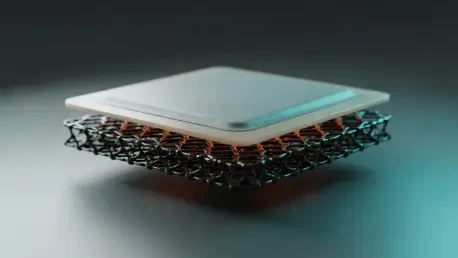
The evolution of dermatological oncology has recently converged with advanced materials science to produce a groundbreaking therapeutic tool: a porous carbon-based patch. At the heart of this innovation is laser-induced graphene, a material synthesized by using high-precision lasers to etch intricate patterns into carbon precursors. This process creates a specialized scaffold characterized by a massive surface area and a complex network of microscopic pores that can be utilized for drug delivery or chemical storage. Unlike traditional bandages that simply protect a wound, this graphene-based structure serves as an active electronic and chemical interface. By leveraging the unique conductivity and structural stability of graphene, researchers have developed a platform that can respond to external stimuli with incredible accuracy. This material represents a significant leap forward in how we approach the delivery of potent anti-cancer agents directly to the site of a tumor.
To transform this graphene scaffold into a viable medical treatment, scientists have filled its microscopic pores with a specialized compound known as copper(II) oxide. This composite material is then encapsulated within a thin, flexible layer of silicone polymer, ensuring that the device is both soft and breathable for the wearer. The resulting patch is designed to be worn like a standard adhesive bandage, conforming easily to the contours of the human body while remaining chemically inert under normal conditions. This stability is crucial, as it prevents any premature interaction between the active copper compounds and the patient’s skin. Because the silicone housing is both biocompatible and durable, the patch can be applied to sensitive areas where traditional surgery might be difficult or lead to complications. This design ensures that the treatment remains localized, focusing the therapeutic power of the copper ions exactly where they are needed most.
Thermal Activation: Orchestrating a Precise Cellular Attack
The true functional brilliance of this technology lies in its unique thermal activation mechanism, which allows for the controlled release of therapeutic agents. The patch remains completely dormant until it is targeted by a low-power laser, which gently increases the temperature of the material to approximately 108 degrees Fahrenheit. This specific level of heat is just high enough to trigger the release of copper ions from the graphene pores without causing burns or discomfort to the surrounding healthy skin. This “on-demand” system provides clinicians with a level of control that was previously unattainable with systemic chemotherapy or traditional topical ointments. By manipulating the timing and duration of the laser exposure, the dose of copper ions can be finely tuned to match the size and severity of the melanoma lesion. This precise orchestration ensures that the malignant cells are bombarded with a concentrated dose while the rest of the body remains unaffected.
When the copper ions penetrate the underlying melanoma cells, they initiate a devastating biological process designed to ensure cellular destruction. These ions induce a massive surge in oxidative stress, a state where the chemical balance of the cell is disrupted by an overproduction of reactive molecules. This internal chaos leads to severe damage to the cancer cell’s DNA, effectively stripping it of its ability to replicate or function. Furthermore, early research suggests that this process does more than just kill the primary tumor; it also appears to stimulate a localized immune response that prevents surviving cells from migrating. This inhibition of motility is a critical factor in treating melanoma, as it addresses the primary cause of cancer-related mortality: metastasis. By neutralizing the tumor’s ability to spread to other organs, the patch provides a dual-action defense that combines direct eradication with long-term preventative measures.
Clinical Implications: Validating Efficacy and Scaling for Patient Use
The transition from theoretical design to practical application was supported by a series of rigorous laboratory and animal studies that demonstrated the patch’s potential. In controlled experimental environments, the application of the heat-activated device resulted in a staggering 97% reduction in melanoma lesions within a ten-day observation period. These results were not only rapid but also incredibly specific; detailed tissue analysis after the treatment showed that the copper ions targeted only the malignant growths. The surrounding healthy tissue showed no signs of damage or irritation, confirming the high degree of precision inherent in the laser-induced graphene system. This level of efficacy is comparable to traditional surgical outcomes but avoids the risks associated with general anesthesia and post-operative infections. The success of these trials has provided a solid foundation for the next phase of development, which focuses on adapting the technology for broader human use.
Beyond the immediate destruction of cancer cells, the study confirmed that the treatment maintained a superior safety profile compared to existing systemic therapies. Researchers monitored the subjects for any signs of copper accumulation in vital organs or the bloodstream and found no evidence of systemic toxicity. This localized approach is a major advantage for patients who may not be candidates for surgery or who have multiple lesions that would be difficult to manage through traditional means. Additionally, because the patches are reusable and relatively inexpensive to produce using current manufacturing techniques, they offer a sustainable solution for long-term cancer management. As this technology moves toward widespread clinical adoption, it promises to redefine the patient experience by replacing invasive cutting with a gentle, light-activated process. This shift could significantly lower the barrier to early intervention, encouraging patients to seek treatment sooner without the fear of permanent physical alteration.
The development of the heat-activated copper patch provided a transformative perspective on the future of dermatological care and oncology. By integrating the porous capabilities of graphene with the biological reactivity of copper, researchers established a noninvasive method that effectively managed one of the most dangerous skin cancers. This innovation shifted the focus away from physical removal and toward a sophisticated molecular intervention that protected healthy tissue while neutralizing malignant growths. Moving forward, the focus was placed on optimizing the laser interfaces to allow for home-based clinical monitoring and expanding the application to other forms of localized cancer. The success of these initial models suggested that the era of “bandage-style” cancer therapy was not only possible but also increasingly practical for modern healthcare systems. This path forward offered a more compassionate and efficient strategy for those facing a melanoma diagnosis, ensuring that survival did not have to come at the cost of physical integrity.