
The silent progression of gallbladder cancer often leaves medical professionals with few options because the disease typically remains asymptomatic until it reaches a stage where surgical intervention is no longer curative. This diagnostic gap has spurred an international collaboration between Tezpur University in India and the University of Illinois Urbana-Champaign, focusing on the identification of specific chemical signatures in the blood that could serve as an early warning system. By leveraging the power of advanced metabolomics, these researchers are attempting to transform the landscape of gastrointestinal oncology from one of reactive treatment to proactive detection. The central challenge lies in the fact that the gallbladder is tucked away beneath the liver, making physical examinations difficult and early tumors nearly invisible on standard imaging. Consequently, the development of a non-invasive, highly sensitive blood test represents a significant technological leap that could potentially save thousands of lives by catching the malignancy before it spreads to adjacent organs or the abdominal lining.
Geographic Disparities and the Necessity of Accessible Screening
While gallbladder cancer is categorized as a rare disease in many Western nations, it presents a disproportionately high burden of mortality in specific regions, particularly across northern India and parts of South America. In the United States, approximately 12,000 cases are diagnosed annually, but in high-risk zones like the state of Assam, the incidence rates are among the highest in the world, often linked to environmental factors and chronic inflammation. This geographical variance creates a pressing need for diagnostic tools that do not rely solely on expensive infrastructure like high-resolution MRI or PET scans, which may be inaccessible to rural populations. A blood-based screening method offers a scalable solution that can be integrated into routine health check-ups, providing a first line of defense in regions where the disease is endemic. By focusing on these high-burden areas, the research team is addressing a global health inequity, ensuring that life-saving technology is not confined to wealthy urban medical centers but is instead available to those who face the highest statistical risk of developing this aggressive malignancy.
Beyond the logistical benefits of a simple blood draw, the socioeconomic impact of an early detection tool cannot be overstated in developing healthcare markets. When gallbladder cancer is caught in its earliest stages, the five-year survival rate is significantly higher, often requiring only localized surgery rather than the extensive chemotherapy and palliative care associated with late-stage diagnoses. Current diagnostic pathways often involve a series of expensive and time-consuming tests that many patients in high-risk regions cannot afford until their symptoms become debilitating. By shifting the focus toward a “liquid biopsy” approach, the medical community can streamline the triage process, identifying high-risk individuals through metabolic profiling before they ever experience physical pain. This strategy not only improves individual patient outcomes but also reduces the overall strain on healthcare systems by preventing the high costs associated with managing terminal cancer cases. The research emphasizes that a diagnostic tool is only as effective as its reach, making the affordability and ease of a blood test the cornerstone of its potential success.
Technical Innovations in Metabolomic Profiling
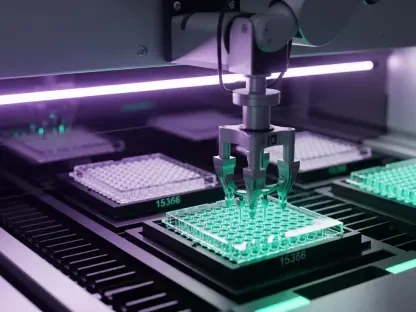
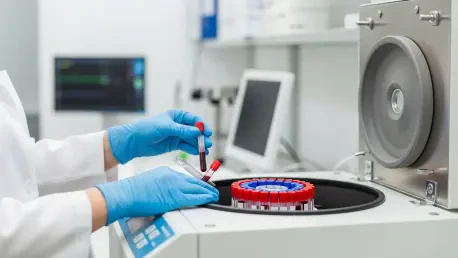
The methodology driving this breakthrough involves untargeted serum metabolomics, a sophisticated analytical technique that surveys a wide array of small-molecule metabolites within a single blood sample. This process allows scientists to observe the “molecular fingerprint” of a patient’s internal environment, capturing the subtle shifts in chemistry that occur at the onset of cellular transformation. By comparing blood samples from patients with confirmed gallbladder cancer to those with benign gallstones and healthy controls, the research team identified hundreds of altered metabolites that serve as reliable indicators of disease. This computational approach is far more comprehensive than traditional protein-based markers, as it accounts for the complex interactions between the tumor and the body’s metabolic pathways. The use of advanced algorithms to sort through this massive dataset ensures that the identified signatures are specific to gallbladder cancer, minimizing the risk of false positives that could lead to unnecessary and invasive surgeries for patients with simple inflammatory conditions.
The specificity of these biological markers is particularly crucial because gallbladder cancer frequently coexists with gallstones, which can mask the presence of a tumor during routine ultrasounds. The research identified nearly 180 altered metabolites in cancer cases without stones and over 225 in cases where both were present, highlighting the distinct chemical paths the body takes under different pathological states. Specifically, alterations in bile acids and amino acid derivatives emerged as primary indicators, reflecting the liver and gallbladder’s struggling functionality as the malignancy takes hold. These findings represent a fundamental shift in how oncologists view blood tests; rather than looking for a single “magic bullet” protein, they are now interpreting a complex narrative written in the blood’s chemistry. This nuanced understanding of metabolic shifts allows for a much higher level of diagnostic accuracy, providing a clearer distinction between benign biliary disease and the early stages of a lethal cancer that might otherwise go undetected for months.
Clinical Validation and the Path to Implementation
Translating these laboratory findings into a standardized clinical test requires a rigorous process of validation to ensure that the metabolic signatures remain consistent across diverse populations. While the initial results from the joint study are promising, moving from a research setting to a frontline hospital requires larger, multicenter trials that include patients of varying ages, ethnicities, and dietary backgrounds. This phase of development is essential to prove that the blood test can perform reliably in real-world conditions, where factors like underlying health issues or medication use might influence metabolic readings. The goal is to create a robust diagnostic kit that can be used by any standard pathology lab, providing clear, actionable data to surgeons and oncologists. As the medical community moves toward 2027 and 2028, the focus will likely shift toward these large-scale clinical trials, which serve as the final hurdle before this technology can receive regulatory approval and become a staple of modern preventative medicine.
The implementation of such a test would fundamentally change the standard of care for patients presenting with non-specific abdominal symptoms or those with a history of chronic gallstones. Instead of a “wait and watch” approach, which often results in missed opportunities for treatment, doctors could use metabolic profiling to justify immediate intervention or more frequent monitoring. This proactive stance is the ultimate objective of the research conducted by Tezpur University and the University of Illinois, as it moves the needle from late-stage crisis management to early-stage cure. For individuals at high risk, the psychological relief of having a definitive, non-invasive screening option is immense, replacing the anxiety of an uncertain diagnosis with clear, data-driven insights. Looking forward, the integration of these chemical signatures into digital health platforms could allow for even more precise tracking of patient health over time, ushering in a new era of personalized oncology that prioritizes early detection as the most effective weapon against the world’s most aggressive cancers.