
The landscape of autoimmune therapy is undergoing a seismic shift as pharmaceutical giants move away from traditional clinical settings toward patient-centric, at-home solutions. For individuals suffering from Thyroid Eye Disease (TED), the burden of treatment has historically involved grueling, multi-hour sessions at infusion centers to receive intravenous doses of medication. However, recent clinical developments suggest that this era of inconvenience is rapidly coming to an end. Amgen has recently unveiled pivotal data regarding a subcutaneous version of Tepezza, delivered via an innovative on-body injector (OBI). This technological leap aims to bridge the gap between high-potency clinical efficacy and the practical realities of daily life, potentially setting a new gold standard for how complex biologics are administered outside of a hospital environment. The implications of this shift extend far beyond simple convenience; they represent a fundamental restructuring of the competitive dynamics within the TED market, where patient preference and ease of access are becoming as critical as the molecular performance of the drugs themselves.
Strategic Evolution of Thyroid Eye Disease Management
Clinical Efficacy in a Subcutaneous Format
The transition from intravenous delivery to a subcutaneous on-body injector marks a significant milestone in Amgen’s efforts to modernize the treatment of Thyroid Eye Disease. Recent late-stage trial results indicate that this new delivery method achieves what researchers describe as “IV-like efficacy,” a high bar for any drug moving from a systemic infusion to a localized injection. In the study, a remarkable 77% of patients utilizing the OBI experienced a significant reduction in proptosis, the characteristic eye bulging associated with the condition, compared to a mere 20% in the placebo group. On average, those treated with the injector saw a 3.17-millimeter reduction in proptosis, a figure that clinical experts deem highly meaningful for patient recovery and quality of life. By replicating the therapeutic impact of the original intravenous formula, Amgen has successfully demonstrated that patient-led administration does not require a sacrifice in clinical outcomes, effectively silencing critics who questioned the potency of subcutaneous delivery in severe cases of TED.
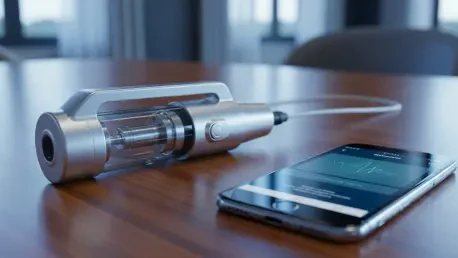
Beyond the raw numbers of eye-bulging reduction, the trial data emphasizes the stability and reliability of the on-body injector system. The device is designed to adhere to the skin and deliver the medication over a specified period, ensuring the pharmacokinetic profile remains consistent with the established safety standards of Tepezza. This consistency is vital for maintaining the trust of both physicians and patients who are accustomed to the controlled environment of an infusion suite. By hitting all primary and secondary endpoints in these trials, the OBI version of Tepezza positions itself as a robust alternative that could potentially replace the intravenous standard. This development is not merely a technical upgrade; it is a tactical response to the logistical hurdles that have previously limited the drug’s market penetration. As the medical community reviews these findings, the focus shifts toward how this delivery mechanism will influence long-term patient adherence and the overall management of the disease, which requires sustained intervention to prevent permanent ocular damage.
Revitalizing Growth Through Patient Access
Amgen’s acquisition of Horizon Therapeutics for $28 billion was a clear bet on the long-term value of Tepezza, yet the drug has faced a period of stagnating sales despite generating approximately $2 billion in annual revenue. The introduction of the on-body injector is a direct attempt to catalyze growth by removing the geographical and logistical barriers that prevent many patients from seeking treatment. Currently, many individuals living in rural areas or those with demanding professional schedules find the commitment to regular infusion appointments untenable. By shifting the site of care from a specialized clinic to the patient’s home, Amgen is effectively expanding the addressable market to include those who were previously “untreatable” due to circumstances rather than clinical need. This strategic pivot aims to transform Tepezza from a niche hospital product into a more accessible specialty pharmaceutical, potentially reversing the flat revenue trends observed in recent fiscal periods and securing a higher return on the initial acquisition investment.
The shift toward at-home administration also reflects a broader trend in the pharmaceutical industry where convenience acts as a powerful differentiator in crowded therapeutic categories. For Amgen, the OBI is more than just a delivery tool; it is a defensive moat designed to protect its market share against emerging competitors who are also targeting the subcutaneous space. By being first to market with a proven at-home solution that mirrors the efficacy of the gold-standard IV treatment, Amgen can solidify its relationship with prescribing ophthalmologists and endocrinologists. These clinicians are often eager to reduce the administrative burden of coordinating infusions and may favor a product that simplifies the patient journey. Consequently, the commercial success of the OBI version will likely depend on Amgen’s ability to navigate the complexities of payer reimbursement for at-home devices. If successful, the company could see a significant uptick in new patient starts as the friction associated with beginning a course of Tepezza is drastically reduced.
Competitive Dynamics and Future Market Positioning
Analyzing the Rivalry with Viridian Therapeutics
While Amgen currently leads the market, the competitive landscape is far from static, with Viridian Therapeutics emerging as a primary challenger through its development of elegrobart. Viridian has focused its efforts on a subcutaneous autoinjector, a format that some industry analysts believe might eventually offer a more user-friendly experience than Amgen’s larger on-body device. However, Viridian’s recent clinical data failed to meet the high expectations of the investor community, leading to a sharp decline in its stock price and raising questions about its ability to truly disrupt Amgen’s dominance. The contrast between Amgen’s strong “IV-like” results and Viridian’s lukewarm data highlights the technical difficulty of delivering high-concentration biologics subcutaneously without losing potency. Amgen’s ability to deliver a 3.17-millimeter reduction in proptosis provides a formidable benchmark that competitors must now chase, reinforcing the idea that established players often have the resources to refine their technology more effectively than smaller biotechs.
The rivalry between these two companies is not just about the delivery device, but also about the safety profiles of their respective drug candidates. A critical point of comparison remains the risk of hearing impairment, a known side effect associated with the class of drugs targeting the IGF-1 receptor. Amgen’s long-standing presence in the market has allowed it to accumulate extensive safety data, which it can now leverage to reassure providers as it transitions to the OBI format. While Viridian attempts to market its candidate as a potentially safer or more convenient alternative, Amgen’s proven track record and new delivery flexibility create a high barrier to entry. The competitive battle will likely hinge on which company can best balance the trifecta of high efficacy, manageable safety risks, and superior patient convenience. For now, the momentum has swung back toward Amgen, as its successful trial results provide the clinical validation needed to maintain its primary position in the treatment of Thyroid Eye Disease through the end of this decade.
Safety Considerations and Long Term Viability
The long-term viability of the Tepezza franchise depends heavily on Amgen’s ability to address persistent safety concerns while improving the patient experience through the OBI. Hearing loss and other auditory issues have been a focal point for regulatory bodies and patient advocacy groups since the drug’s initial approval, and any change in delivery method must be scrutinized for its impact on these adverse events. The subcutaneous trial data suggests that the safety profile remains consistent with the intravenous version, which is a vital finding for maintaining regulatory support and patient trust. As the company moves toward broader commercialization of the injector, continuous monitoring will be essential to ensure that the rapid delivery or different absorption rates of the subcutaneous method do not exacerbate existing side effects. Amgen’s commitment to rigorous safety monitoring is a cornerstone of its strategy to prevent litigation and maintain the drug’s reputation as the premier therapy for those facing the threat of permanent vision loss.
Looking ahead, the success of the on-body injector will likely serve as a blueprint for how Amgen manages other biologics in its extensive portfolio. By mastering the integration of hardware and medicine, the company is positioning itself as a leader in the “med-tech-pharma” hybrid space, where the device is as important as the molecule it carries. This approach provides a pathway for extending the lifecycle of products that might otherwise face patent cliffs or generic competition. In the context of the TED market, the OBI is not just a solution for today but a foundation for future iterations of therapy that could incorporate digital health tracking or integrated patient support apps. As healthcare continues to move toward decentralized models, Amgen’s investment in sophisticated delivery systems ensures that it remains at the forefront of medical innovation. The ability to provide a high-efficacy treatment that fits seamlessly into a patient’s life is the ultimate goal, and the current progress with Tepezza indicates that the company is well on its way to achieving this standard.
Implementing Next Generation Delivery Solutions
Healthcare providers should begin evaluating the shift in patient management protocols required to support the transition from clinical infusions to at-home on-body injectors. This transition necessitates a robust education strategy for both clinical staff and patients to ensure the device is applied correctly and that monitoring for side effects, particularly auditory changes, remains a priority. Clinics should consider updating their internal workflows to accommodate virtual check-ins or remote monitoring systems that can track patient progress without the need for frequent in-person visits. By proactively integrating these digital and logistical tools, providers can maximize the benefits of the OBI, improving patient adherence and long-term ocular outcomes. Furthermore, payers and healthcare administrators must work to streamline the authorization processes for these devices, recognizing that the long-term cost savings of home-based care often outweigh the initial investment in specialized delivery technology.
The pharmaceutical industry at large can look to this case as a model for revitalizing stagnant product lines through patient-centric innovation. Moving forward, the focus must remain on generating comparative data that proves the real-world effectiveness of at-home devices against traditional hospital-based care. Companies should prioritize the development of integrated health platforms that allow for seamless communication between the injector device and the patient’s electronic health record. This connectivity will be crucial for maintaining safety standards and proving value to insurance providers in an increasingly outcomes-based reimbursement environment. As the market for Thyroid Eye Disease treatment matures, the winners will be those who not only offer the most potent medicine but also the most frictionless experience for the individual. Future developments should aim to further miniaturize delivery hardware and enhance the precision of drug absorption, ensuring that the next generation of therapies is as invisible as it is effective.