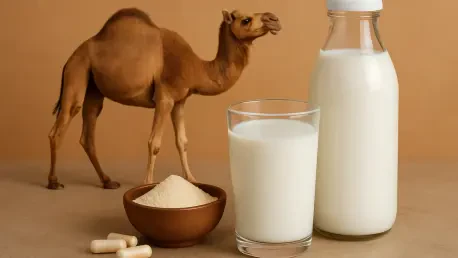

For centuries, the milk of the resilient dromedary camel has sustained nomadic cultures across the harshest deserts, and now this ancient staple is capturing the attention of nutritionists and health-conscious consumers worldwide. This is not just another fleeting wellness trend; it represents a convergence of traditional wisdom and modern scientific inquiry, driven by a growing global demand for functional foods and viable alternatives to conventional dairy. As researchers begin to unravel its distinct biochemical composition, camel milk is emerging as a compelling nutritional powerhouse with unique properties that set it apart from the milks of other mammals, offering potential benefits for digestion, immune function, and metabolic health.
More Than a Myth: Could a Traditional Desert Staple Revolutionize Modern Nutrition?
Long before it appeared on specialty grocery shelves, camel milk was a cornerstone of survival for Bedouin and other nomadic communities. In the unforgiving climates of the Middle East, Africa, and Asia, where agriculture is often untenable, the camel provided not only transportation but also a vital source of hydration and complete nutrition. This “white gold of the desert” was revered for its life-sustaining properties, offering a rich blend of proteins, vitamins, and minerals that supported health and endurance in environments where few other food sources could thrive. This historical context underscores its fundamental value as a resilient and nutrient-dense food.
The transition from a regional survival food to an item of global interest marks a significant shift in nutritional perspectives. As the modern world looks toward more sustainable and diverse food systems, ancient practices are being re-examined through a scientific lens. The traditional knowledge surrounding camel milk, which has been passed down through generations, is now being validated and explored in laboratories. This newfound attention is not merely about novelty; it is about understanding how a food source adapted to extreme conditions might offer unique solutions to contemporary health challenges, from dietary intolerances to the need for nutrient-rich, minimally processed foods.
The Rise of Camel Milk: Why This Ancient Food is Gaining Traction in a World Seeking Dairy Alternatives
A primary driver behind the growing interest in camel milk is the global search for alternatives to cow’s milk. With a significant portion of the population experiencing lactose intolerance or cow’s milk protein allergies, the demand for options that are easier to digest has surged. Camel milk presents a compelling alternative due to its unique protein structure. It naturally lacks β-lactoglobulin, one of the main allergenic proteins in cow’s milk, and contains lower levels of another protein, αs1-casein. This composition may explain why many individuals with sensitivities to conventional dairy report better tolerance to camel milk, making it a valuable option for diversifying their diets.
Beyond addressing digestive sensitivities, camel milk is gaining traction within the burgeoning functional food market. Today’s consumers are increasingly proactive about their health, seeking out foods that do more than just satisfy hunger. They are looking for ingredients with bioactive compounds that can actively support well-being. Camel milk fits this description perfectly, containing a host of beneficial components like lactoferrin, lysozyme, and immunoglobulins. These elements are associated with immune-modulating and antimicrobial properties, positioning camel milk as a product that aligns with the modern pursuit of health through nutrition.
However, the journey from desert staple to mainstream product is not without its hurdles. The distinct flavor of camel milk, often described as slightly salty and different from the familiar taste of cow’s milk, can be an initial barrier for some consumers. Furthermore, its production is less industrialized, leading to a significantly higher price point and more limited availability compared to other dairies. Despite these challenges, dedicated producers are working to improve supply chains and develop more accessible products, such as powdered milk, which extends shelf life and allows for wider distribution, slowly making this ancient food more accessible to a global audience.
A Unique Biochemical Blueprint: What Sets Camel Milk Apart from Other Dairies
The nutritional profile of camel milk reveals a complex and potent liquid that is biochemically distinct from its more common counterparts. It is an excellent source of high-quality protein, providing all the essential amino acids required for critical metabolic functions and tissue repair. Its micronutrient content is equally impressive, delivering substantial amounts of calcium for bone health, potassium for electrolyte balance, and vital minerals like zinc and iron. This rich composition makes it a comprehensive source of nutrition in a single food.
One of its most remarkable features is an exceptionally high concentration of vitamin C, containing approximately three to five times the amount found in cow’s milk. This attribute is particularly significant from a historical and nutritional standpoint, as it provided an essential antioxidant vitamin to desert populations with limited access to fresh fruits and vegetables. In a modern context, this high vitamin C content contributes to its overall antioxidant capacity, helping to protect the body’s cells from oxidative stress.
Beyond its basic nutrient matrix, what truly distinguishes camel milk is its array of bioactive proteins. It contains powerful compounds such as lactoferrin, lysozyme, and various immunoglobulins, which are credited with its immune-supporting and antimicrobial properties. Lactoferrin, for example, is known for its ability to bind with iron, which can inhibit the growth of harmful bacteria. The immunoglobulins in camel milk are also structurally smaller than those in cow’s milk, which may enhance their absorption and efficacy within the digestive system, contributing to a more robust immune response.
From Lab to Lifestyle: Examining the Scientific Evidence and Its Limitations
Scientific investigation into camel milk has uncovered promising potential, particularly in the realm of metabolic health. A growing body of experimental studies and small clinical trials suggests that regular consumption may positively influence blood glucose regulation and lipid profiles. These effects are often attributed to the presence of unique insulin-like proteins and other bioactive peptides that appear to resist degradation in the stomach’s acidic environment. Some studies have reported that daily intake of about 500 mL of fresh camel milk over several months was associated with reduced fasting glucose, lower HbA1c levels, and a decreased need for exogenous insulin, especially in individuals with type 1 diabetes.
Further research has highlighted the antioxidant and immune-supporting capabilities of camel milk, linking them to its rich supply of bioactive peptides, vitamins, and minerals. The whey proteins, especially lactoferrin and lysozyme, are considered key contributors to these effects. Lactoferrin’s role in immune regulation is multifaceted, involving anti-inflammatory and antimicrobial pathways, while lysozyme demonstrates direct action against certain pathogens. Additionally, researchers have identified angiotensin-I-converting enzyme (ACE)-inhibitory peptides in camel milk, suggesting a potential role in supporting vascular health, although this area requires more extensive investigation.
Despite these encouraging findings, it is crucial to approach the existing research with a degree of caution. A significant limitation is that much of the current evidence stems from laboratory studies, animal models, or small-scale, short-term human trials. There is a notable scarcity of large, multicenter randomized controlled trials—the gold standard for clinical evidence. The variability in study designs, dosages, and the types of camel milk used (fresh versus powdered) makes it difficult to draw definitive conclusions. Therefore, while camel milk shows immense promise, rigorous and standardized research is needed to validate these therapeutic claims before any firm dietary recommendations can be established.
Incorporating Camel Milk into Your Diet: A Practical Guide to Sourcing and Use
For those interested in exploring the benefits of camel milk, it is becoming increasingly available in various forms beyond its traditional liquid state. Consumers can now find it as a powder, which offers a longer shelf life and greater convenience, as well as in specialty products like yogurts, cheeses, and even skincare items. While sensory studies indicate a general preference for the taste of fresh milk, the powdered versions provide a more accessible and versatile option for incorporating it into smoothies, baked goods, or other recipes. When choosing a product, it is important to source from reputable suppliers who prioritize ethical animal husbandry and stringent safety standards for processing and handling.
Integrating camel milk into a daily routine can be a straightforward process, but its unique taste and higher cost are practical considerations. Its flavor profile is often described as slightly saltier and more savory than cow’s milk, which some people enjoy immediately while others may need time to acclimate. Due to its premium price, many consumers choose to use it strategically as a nutritional supplement rather than a complete replacement for other dairy products. Starting with small amounts can help one adjust to the taste and observe how their body responds, particularly for those with sensitive digestive systems.
Ultimately, camel milk should be viewed as a nutrient-dense component of a diverse and balanced diet rather than a singular remedy. Its unique composition offers a valuable alternative for individuals with specific dietary needs and a powerful nutritional boost for anyone looking to enhance their overall wellness. As a food with deep historical roots and a growing body of scientific interest, it represents a bridge between ancient nutritional wisdom and the future of functional foods.
The journey of camel milk from a desert lifeblood to a global health commodity was a testament to the enduring value of traditional food systems. Scientific inquiry began to confirm what nomadic cultures had known for millennithat this unique dairy possessed a biochemical blueprint unlike any other, offering superior digestibility and a rich array of bioactive compounds. Although its mainstream adoption faced challenges of cost, accessibility, and taste, its potential to support metabolic and immune health captured significant interest. The initial body of evidence, while promising, highlighted a clear need for more extensive, large-scale clinical trials to fully validate its therapeutic applications. As it stood, camel milk offered a compelling, nutrient-dense option within a balanced diet, representing a powerful intersection of nature, tradition, and emerging nutritional science.