
A groundbreaking collaboration is set to address a critical paradox in modern medicine, where potentially life-saving therapies for ultra-rare diseases are abandoned not for lack of scientific merit, but due to insufficient commercial appeal. The American Society of Gene & Cell Therapy (ASGCT) and the non-profit Orphan Therapeutics Accelerator (OTXL) are launching CGTxchange, an innovative clearinghouse and marketplace designed to salvage these promising treatments. This initiative confronts a growing problem within the biopharmaceutical industry: a significant backlog of clinically validated cell and gene therapies (CGTs) has been deprioritized or shelved by developers. These assets, often victims of high return-on-investment expectations from venture capital and major biopharma companies, now have a new pathway forward. By leveraging a proprietary AI-based platform, CGTxchange will create a secure, searchable database of these programs, offering them a second chance at reaching patients who have few, if any, other options.
Addressing a Growing Crisis in Drug Development
The decision to shelve a promising therapy is rarely simple, often stemming from a complex interplay of market forces, investor sentiment, and shifting regulatory landscapes. In recent years, these factors have converged to create a particularly challenging environment for drugs targeting small patient populations, pushing many viable treatments into a developmental limbo. Understanding these headwinds is crucial to appreciating the necessity of a new model for advancing therapies for rare diseases.
Economic and Policy Headwinds
The financial climate has become increasingly unforgiving for early-stage biotechnology ventures, creating a bottleneck in the development pipeline for many novel treatments. Following a period of significant investment, rising interest rates after 2022 signaled the end of a biotech boom, causing a palpable shift in investor strategy. The focus has moved decisively toward late-stage assets that promise a clear and immediate return on investment, leaving many early-to-mid-stage companies struggling to secure funding. This phenomenon, often termed the “Series B crunch,” has forced numerous companies to make difficult choices, frequently leading them to shelve promising secondary programs to concentrate all available resources on their lead asset. This strategic retreat, while financially prudent for the individual company, contributes to a growing collection of valuable therapeutic candidates that are left without a path to completion, stalling progress in fields that depend on sustained, long-term investment.
Compounding these economic pressures, policy shifts have inadvertently created further obstacles for the development of orphan drugs. The Inflation Reduction Act of 2022, for instance, initially included provisions that discouraged biopharmaceutical companies from pursuing multiple indications for a single orphan drug. While the intent was to control drug pricing, a side effect was that companies began abandoning secondary research programs for their existing therapies, even if those programs targeted entirely different rare diseases. Although subsequent legislative action has largely rectified this specific issue, the initial policy created a significant backlog of deprioritized projects. The cumulative effect of these financial and regulatory challenges has been the creation of a substantial reservoir of scientifically sound but commercially “pre-viable” therapies. These assets represent untapped potential to address significant unmet medical needs but are unable to advance within the conventional development and funding ecosystems.
The Paradox of Scientific Success and Commercial Failure
At the heart of the issue lies a fundamental conflict between scientific innovation and the prevailing business models of the biopharmaceutical industry. A large number of the cell and gene therapies being shelved are not scientific failures; on the contrary, many have demonstrated clinical validation and hold real promise for patients suffering from devastating ultra-rare conditions. The primary barrier to their continued development is economic. The traditional venture capital and big pharma models are heavily geared toward therapies with blockbuster potential—drugs that can serve large patient populations and generate substantial revenue. Therapies for ultra-rare diseases, by their very definition, target small groups of individuals, making it nearly impossible for them to meet the high return-on-investment thresholds demanded by most investors. This creates a deeply frustrating paradox where a treatment can be a resounding success in the lab and clinic but a commercial non-starter in the boardroom.
This systemic misalignment results in a tragic and growing “graveyard” of abandoned therapies, where potentially transformative treatments are discarded due to their inability to fit a profitable mold. For the patients and families affected by these ultra-rare diseases, this reality is devastating, as it means hope is extinguished by a balance sheet rather than by scientific data. The problem highlights a critical flaw in the current ecosystem, which often prioritizes market size over medical need. The existence of these shelved assets represents not only a squandered scientific investment but also a significant ethical dilemma for an industry dedicated to improving human health. It underscores the urgent need for alternative development pathways that can evaluate and advance therapies based on their clinical merit and patient benefit, independent of their projected commercial returns, ensuring that scientific breakthroughs can translate into tangible medical solutions for all, regardless of the rarity of their condition.
A New Lifeline Through AI and Collaboration
In response to this systemic challenge, the partnership between ASGCT and OTXL introduces a novel, technology-driven solution aimed at fundamentally altering the trajectory for these abandoned therapies. CGTxchange is not merely a database but a dynamic marketplace designed to bridge the gap between valuable scientific assets and new development partners. By combining advanced AI with an extensive professional network, the initiative aims to create a new, more efficient ecosystem for rare disease drug development.
The Mechanics of CGTxchange
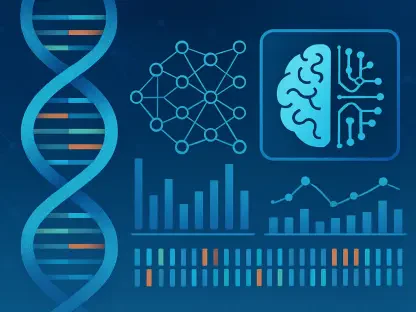
The core of the CGTxchange initiative is a sophisticated platform powered by OTXL’s proprietary artificial intelligence. This system will function as both a secure clearinghouse and an intelligent marketplace for shelved cell and gene therapies. Developers of deprioritized programs can submit their assets to the platform, where the AI will begin a comprehensive process of analysis and characterization. The technology is designed to ingest and process complex datasets related to each therapy, including preclinical data, clinical trial results, manufacturing processes, and intellectual property status. From this information, the AI will generate a detailed profile and a robust risk score for each asset. This standardization and in-depth evaluation are critical, as they transform an often opaque and difficult-to-assess asset into a transparent opportunity, making it significantly more accessible and appealing to potential new sponsors who may not have the resources to conduct such exhaustive due diligence on their own.
Building on this analytical foundation, the platform’s primary function is to serve as an intelligent matchmaker. The AI doesn’t just store information; it actively identifies synergies between the profiled therapies and a network of potential partners. These partners may include academic research institutions, philanthropic organizations, patient advocacy groups, or specialized biotech companies with alternative funding structures and development strategies. By analyzing the specific needs, capabilities, and focus areas of these potential sponsors, the AI can facilitate highly targeted introductions, dramatically increasing the likelihood of a successful match. This process is designed to significantly accelerate the re-entry of shelved therapies into the clinical pipeline. By creating a direct and efficient channel for these assets to find new homes, CGTxchange offers a viable alternative to the traditional development path, providing a crucial lifeline that could ultimately bring these therapies to the patients who need them most.
Forging a Strategic Partnership
The success of CGTxchange hinges on the unique synergy between its two founding organizations, each bringing indispensable assets to the venture. Orphan Therapeutics Accelerator (OTXL) provides the technological backbone of the initiative. Its expertise in artificial intelligence and data analytics is the engine that will power the platform’s ability to analyze, score, and match therapies with new sponsors. In addition to the AI infrastructure, OTXL contributes its established network of partners who are specifically interested in non-traditional development pathways for rare diseases. This combination of advanced technology and a targeted network ensures that the platform is not just a passive repository but an active, intelligent facilitator of new development opportunities, capable of handling the complex technical and scientific details that define these advanced therapies.
On the other side of the collaboration, the American Society of Gene & Cell Therapy (ASGCT) provides unparalleled reach and credibility within the field. As a leading professional organization, ASGCT boasts an extensive global network of industry leaders, pioneering academic researchers, clinicians, and investors. This network will be instrumental in populating the platform with both high-potential shelved assets and a diverse pool of credible, well-resourced partners. By leveraging its reputation and convening power, ASGCT will help establish CGTxchange as the definitive, trusted solution for repurposing these “pre-viable” therapies. The development of the platform, which began early this year, is on a fast track, with a projected launch in the middle of the year. This timeline reflects the urgency of the problem and offers tangible new hope for advancing treatments that have, until now, been left behind by the mainstream pharmaceutical industry.
A Turning Point for Therapeutic Innovation
The establishment of this AI-driven marketplace marked a significant acknowledgment of a systemic flaw in the biopharmaceutical development model. It moved the conversation beyond identifying the problem of commercially non-viable therapies to implementing a concrete, technology-enabled solution. The initiative provided a structured pathway for valuable scientific assets, ensuring that their potential to save lives was no longer solely dictated by their projected profitability. This represented a pivotal shift, creating an alternative ecosystem where patient need and scientific merit could once again become the primary drivers of therapeutic advancement. By fostering collaboration between disparate parts of the healthcare landscape, the platform laid the groundwork for a more equitable and efficient future in the fight against rare diseases.