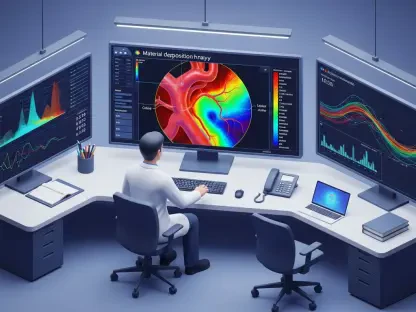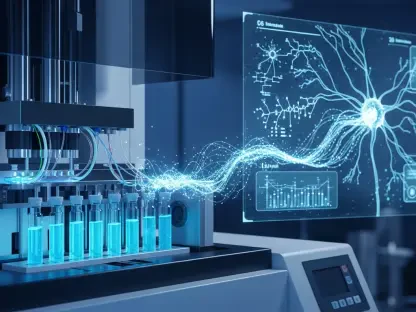

The long-standing reliance on high-risk surgical biopsies for brain tumor classification is finally yielding to a more sophisticated era of computational molecular profiling. This transition represents a fundamental shift in how the medical community perceives diagnostic data, moving from the visual interpretation of cellular morphology to the digital decoding of epigenetic signatures. At the heart of this evolution is the convergence of machine learning and methylomics, a pairing that allows for the identification of central nervous system malignancies through trace amounts of genetic material. By prioritizing the chemical state of DNA rather than just its sequence, these new diagnostic frameworks offer a level of granularity that was previously unattainable through traditional histopathology.
This technological leap is particularly relevant within the context of precision medicine and the burgeoning field of liquid biopsies. Unlike conventional methods that require physical tissue, modern AI-driven systems leverage the biological “exhaust” of tumors—minute fragments of DNA shed into bodily fluids. This approach does not merely supplement existing workflows but seeks to replace them, providing a non-invasive alternative that accommodates the biological complexity of the brain. The integration of such technology into clinical practice marks a move toward decentralized, data-heavy diagnostics that can be performed with minimal physical burden on the patient.
Evolution of Molecular AI in Brain Tumor Diagnostics
The journey toward AI-integrated diagnostics began with the realization that the genetic code alone does not tell the full story of a tumor. While traditional genetic sequencing identifies mutations, it often overlooks the regulatory layers that dictate how those mutations behave. The shift toward epigenetic profiling, specifically DNA methylation, has provided a more stable and tissue-specific marker for cancer. This evolution has been fueled by the massive growth in computational power, enabling machine learning models to recognize complex patterns across millions of methylation sites.
In the current technological landscape, the move from microscopic analysis to computational molecular analysis is driven by the need for speed and accuracy. Histopathology, while reliable, is subject to human interpretation and often requires significant time for processing and staining. In contrast, AI-driven frameworks can process molecular data in a fraction of the time, offering a objective classification that is less prone to the nuances of observer bias. This progress is further amplified by the rise of liquid biopsy technology, which allows for the extraction of these molecular markers from cerebrospinal fluid, effectively bypassing the blood-brain barrier.
The M-PACT Framework and Epigenetic Analysis
DNA Methylation-Based Predictive Algorithms: The Core Mechanism
The M-PACT (Methylation-based Predictive Algorithm for CNS Tumors) technology operates on the principle that every tumor type possesses a unique chemical fingerprint. These fingerprints are composed of methyl groups attached to specific regions of the DNA, acting as switches that turn genes on or off. By training algorithms on thousands of known tumor samples, the M-PACT framework can identify these patterns with remarkable precision. This implementation is unique because it focuses on the “epigenetic memory” of the cell, which remains consistent even when the tumor undergoes minor genetic mutations.
What makes this algorithm particularly powerful is its ability to distinguish between nearly identical-looking malignancies that require vastly different treatment protocols. In many cases, two tumors may appear similar under a microscope but exhibit entirely different methylation profiles. M-PACT bridges this gap, providing a definitive classification without the need for traditional, time-consuming genetic sequencing. This capability ensures that patients receive the most appropriate therapy from the outset, reducing the risk of treatment-related toxicity from ineffective regimens.
Cell-Free DNA Processing: Analyzing Trace Material in Cerebrospinal Fluid
The technical prowess of M-PACT is further demonstrated in its handling of cell-free DNA (cfDNA) isolated from cerebrospinal fluid. Tumors located within the central nervous system frequently shed small fragments of their genetic material into the surrounding fluid. However, capturing and analyzing this material is a significant challenge due to its extreme scarcity and the presence of background DNA from healthy cells. The framework utilizes specialized enrichment techniques to isolate these tumor-derived fragments, ensuring that the AI has high-quality data to process.
This component is vital for creating a high-sensitivity diagnostic system that functions even when molecular data is limited. By focusing on the cerebrospinal fluid rather than blood, the system gains a much clearer signal, as the fluid is in direct contact with the tumor site. This high-sensitivity approach allows for the detection of molecular markers that would be entirely invisible to traditional diagnostic tools, making it possible to identify cancer at its earliest, most treatable stages.
Emerging Trends in Precision Neuro-Oncology
One of the most significant trends in this field is the move toward entirely non-invasive “liquid biopsies” as a viable alternative to craniotomies. In the past, the idea of diagnosing a brain tumor through a simple lumbar puncture was considered speculative; today, it is becoming a clinical reality. This trend is driven by the desire to minimize surgical risks, especially in cases where the tumor is located in an inoperable or highly sensitive area of the brain. The ability to extract high-fidelity diagnostic information from a fluid sample is fundamentally changing the risk-benefit analysis of neurological interventions.
Moreover, the trend of longitudinal disease monitoring is gaining momentum. AI models are now being used to track the real-time evolution of tumors as they respond to treatment. Instead of waiting months for an MRI to show a change in tumor size, clinicians can use AI to detect subtle shifts in the tumor’s molecular profile. This “real-time” view of cancer allows for dynamic adjustments to treatment plans, ensuring that the therapy evolves alongside the disease. This shift is supported by international data-sharing initiatives, which provide the vast datasets necessary to train these models on a global scale, further refining their accuracy and predictive power.
Clinical Applications and Sector Impact
The deployment of AI-driven diagnostics has had a profound impact on pediatric oncology, where the physical burden of surgery is a major concern. Children with brain tumors are particularly vulnerable to the side effects of invasive procedures and radiation. By using the M-PACT framework, pediatric oncologists can now achieve a precise diagnosis with a relatively simple fluid draw. This not only reduces the immediate physical risk to the child but also allows for more personalized and less aggressive treatment strategies, preserving cognitive function and improving long-term quality of life.
Beyond pediatrics, the technology is being implemented as a pre-surgical diagnostic tool in adult populations. Identifying a tumor type before an incision is made allows surgeons to plan their approach with much greater confidence. For instance, if the AI identifies a tumor that is highly responsive to chemotherapy, a surgeon might opt for a less extensive resection, thereby sparing healthy brain tissue. This “precision monitoring” is also proving invaluable in evaluating the efficacy of ongoing treatments, providing a molecular confirmation of success that complements traditional imaging results.
Technical Barriers and Regulatory Challenges
Despite the clear benefits, several technical hurdles remain, most notably the difficulty of detecting ultra-low concentrations of tumor DNA in complex biological fluids. The signal-to-noise ratio in cerebrospinal fluid can be incredibly low, especially in the early stages of disease or following treatment. This requires constant refinement of the underlying algorithms to ensure they do not produce false positives or miss subtle indicators of recurrence. Additionally, intratumoral heterogeneity—where different parts of the same tumor have different molecular profiles—presents a challenge for a diagnostic method that relies on shed material.
Regulatory and standardization issues also pose a significant barrier to widespread adoption. Before AI-driven liquid biopsies can become a standard of care in every hospital, they must undergo rigorous validation across diverse patient populations. This involves navigating complex data privacy laws, particularly in international collaborations where sensitive genetic data is shared across borders. There is also the challenge of standardizing how samples are collected and processed, as even minor variations in laboratory technique can influence the final AI analysis.
Future Outlook and Technological Breakthroughs
The future of neuro-oncology diagnostics lies in the total integration of AI with personalized targeted drug therapies. We are moving toward a closed-loop system where the diagnostic tool not only identifies the tumor but also predicts which specific drug combinations will be most effective based on the epigenetic state of the cancer. This would eliminate the “trial and error” approach that currently characterizes much of cancer treatment. Potential breakthroughs in sensor technology could even lead to implantable devices that continuously monitor the cerebrospinal fluid for molecular changes, providing a constant stream of data to the diagnostic AI.
Perhaps the most significant long-term impact will be the ability to detect tumor recurrence months before it is visible on a traditional MRI scan. By identifying the molecular “echoes” of a returning tumor, clinicians can intervene while the disease is still at a microscopic level. This shift from reactive to proactive care has the potential to dramatically improve global survival rates. As the technology matures, the standard of care will likely shift entirely away from invasive craniotomies for diagnosis, making lumbar-puncture-based AI analysis the primary gateway for all neuro-oncological care.
Summary of Findings and Assessment
The review of the M-PACT framework and its surrounding technologies revealed a transformative potential that surpassed traditional diagnostic limitations. The research demonstrated that AI-driven analysis of DNA methylation patterns in cerebrospinal fluid provided a high degree of accuracy, often matching or exceeding the results of invasive tissue biopsies. This success was particularly evident in pediatric cases, where the reduction of surgical risk proved to be a critical advantage. The framework established a robust protocol for classifying tumors through trace molecular data, effectively validating the shift toward non-invasive liquid biopsies.
The assessment indicated that the technology reached a level of maturity that justified its transition into broader clinical trials. The synergy between machine learning and molecular biology created a diagnostic system that was both sensitive to subtle changes and resilient to the complexities of biological noise. While technical challenges regarding DNA concentration and regulatory hurdles remained, the overall trajectory of the technology suggested it would soon redefine the standard of care. The integration of these tools into routine practice provided a glimpse into a future where neuro-oncology is defined by precision, speed, and a significantly reduced burden on the patient.