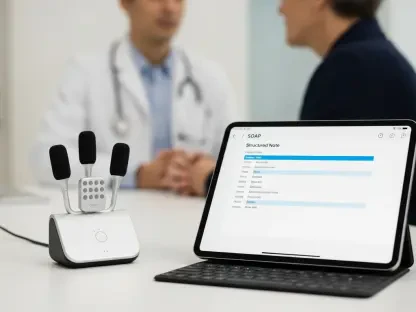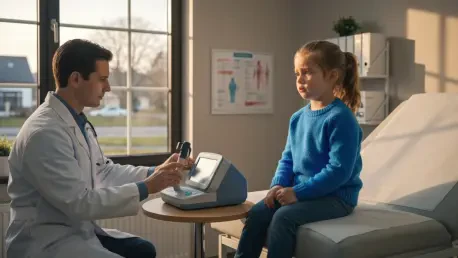

Imagine a world where a persistent, hacking cough in a child could be diagnosed as whooping cough in under 20 minutes, right at the doctor’s office, preventing weeks of uncertainty and potential spread. This scenario is now closer to reality with Roche’s latest FDA-cleared point-of-care test for Bordetella infections, a game-changer in tackling pertussis, a disease impacting 24.1 million people annually and causing around 170,000 deaths globally. This roundup dives into diverse perspectives from healthcare experts, public health advocates, and industry analysts to explore how this diagnostic tool reshapes the fight against whooping cough, addressing challenges like delayed diagnosis and rising case numbers.
Diverse Voices on a Diagnostic Milestone
Gathering insights from various corners of the healthcare landscape reveals a shared excitement about Roche’s test, delivered through the cobas liat system. Many clinicians emphasize the relief of having polymerase chain reaction (PCR)-quality results in just 20 minutes, a stark contrast to traditional lab waits that can span days. This speed is seen as a lifeline in busy clinics where immediate treatment decisions can curb transmission, especially in vulnerable populations like infants.
However, not all views align seamlessly. Some public health experts caution against over-reliance on point-of-care tools without bolstering broader systemic support, such as vaccination campaigns. They argue that while rapid diagnosis is critical, it must pair with education to combat vaccine hesitancy—a key driver of pertussis surges every few years. This perspective highlights a nuanced balance between innovation and foundational health strategies.
Precision in Identifying Bordetella Strains
Delving deeper, feedback from laboratory specialists spotlights the test’s ability to differentiate between Bordetella strains like B. pertussis, B. parapertussis, and the emerging B. holmesii. This precision garners praise for enabling tailored treatments, a step beyond older methods that often miss milder or resistant strains. One recurring opinion is that such specificity could redefine clinical approaches in regions hardest hit by diagnostic delays.
On the flip side, a few analysts raise questions about the challenges of interpreting results for less understood pathogens like B. holmesii. They suggest that training for healthcare providers will be essential to maximize the test’s benefits, pointing to a potential gap between technological capability and practical application. This debate underscores the need for ongoing education alongside deployment.
Speed as a Game-Changer in Patient Care
The rapid turnaround time of Roche’s diagnostic tool sparks unanimous approval among frontline practitioners. Many share that confirming a diagnosis during a single patient visit transforms care delivery, allowing for prompt antibiotic prescriptions and reducing the risk of outbreaks in tight-knit communities. This efficiency is often described as a breath of fresh air in high-pressure settings.
Yet, some industry watchers temper this enthusiasm with a note of caution about scalability. They question whether smaller clinics or under-resourced areas can adopt such advanced systems without significant investment. Their input suggests that while the technology is revolutionary, equitable access remains a hurdle to fully realizing its impact on public health.
Aligning with Point-of-Care Trends
Broadening the lens, health policy advocates view this test as part of a larger shift toward immediate diagnostic solutions in managing infectious diseases. They note that with pertussis cases climbing due to disrupted immunization programs, innovations like this fill critical gaps. Many express optimism about how such tools empower local responses to regional spikes in respiratory illnesses.
In contrast, a handful of skeptics argue that current diagnostic infrastructures may not be ready to integrate these advancements universally. They advocate for parallel investments in portable testing tech and digital health systems to ensure no community is left behind. This divergence in thought prompts a deeper look at how innovation must adapt to varied global contexts.
Reflecting on a Collective Step Forward
Looking back, the discourse around Roche’s FDA-cleared test for whooping cough painted a picture of both promise and pragmatism. The consensus among experts and analysts leaned heavily on the benefits of speed and strain-specific diagnosis, while tempered by calls for systemic support and equitable access. These discussions highlighted a pivotal moment in respiratory health management. Moving forward, stakeholders should prioritize integrating such tools into diverse healthcare settings, advocate for robust training programs, and push for policies that bridge technological and accessibility divides, ensuring that this breakthrough reaches every corner where it’s needed most.