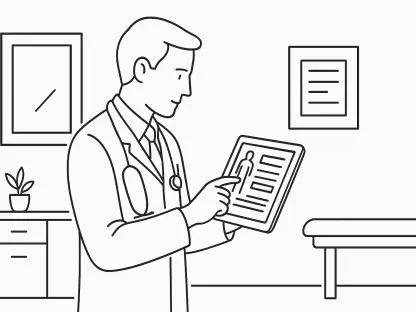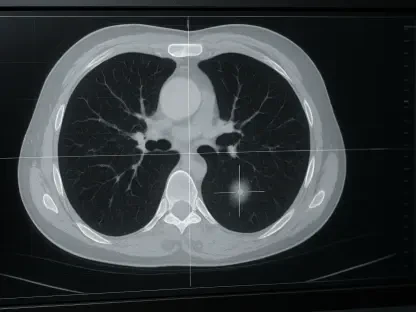

The harrowing reality of a public health system in terminal decline becomes devastatingly clear when an elderly man’s life hangs in the balance because a state hospital cannot provide a single meter of thermal paper for a critical electrocardiogram. This scene, recently documented in the province of Holguín, represents a microcosm of a broader national emergency where diagnostic tools and essential treatments have vanished from the formal economy only to reappear at exorbitant prices on the streets. Local residents have reported that the very supplies missing from the wards of major institutions, such as the Lenin and Clinical-Surgical hospitals, are frequently available through clandestine channels for 3,500 Cuban pesos per meter. This predatory pricing creates a lethal barrier for those without significant financial means, effectively transforming a once-universal right into a luxury reserved for the affluent. As the state’s medical infrastructure crumbles under the weight of neglect, a shadow market has emerged, fueled by the systematic theft and resale of basic diagnostic resources.
National Erosion of Essential Medical Services
The current breakdown of the Cuban healthcare system is characterized by a staggering lack of basic pharmaceutical and surgical supplies that has reached unprecedented levels in recent months. Official data released by the Health Ministry indicates that approximately 461 out of 651 essential medications are completely out of stock across the island, leaving patients with chronic conditions in a state of extreme vulnerability. This shortage extends far beyond specialized treatments, affecting the availability of common antibiotics, painkillers, and even basic sterilized bandages. Furthermore, the backlog for elective and necessary surgeries has ballooned to nearly 100,000 patients, many of whom have been waiting for years as operating rooms remain shuttered due to a lack of anesthesia or functioning equipment. The disparity between the government’s public health promises and the daily struggle for survival has never been more pronounced, as families are forced to navigate a landscape defined by scarcity and institutional paralysis.
This widespread pharmaceutical vacuum has incentivized a wave of internal corruption where medical personnel and administrators are increasingly implicated in the trafficking of state-owned resources. In provinces like Granma and Pinar del Río, authorities have arrested individuals for the unauthorized sale of syringes, surgical gloves, and broad-spectrum antibiotics stolen directly from hospital inventories. These incidents are not merely isolated acts of desperation but are part of an organized network that capitalizes on the total absence of formal supply chains. The transition from a state-provided service to a “pay-to-survive” model is now almost complete, as the public loses faith in the ability of local clinics to provide even the most rudimentary care. This institutional abandonment has forced a shift in the social contract, where the black market has become the primary provider for a population that was previously promised comprehensive medical security from birth until death.
Mismanaged Resources and the Path to Reform
The persistent narrative from state officials often points toward external economic pressures as the primary catalyst for the medical crisis, yet internal budget allocations tell a different story. While hospitals suffer from crumbling walls, frequent power outages that jeopardize temperature-sensitive vaccines, and a lack of basic hygiene products, the regime has continued to prioritize the construction of luxury hotel complexes and the procurement of advanced police equipment. This misalignment of national priorities has drawn sharp criticism from international observers who argue that the resources for a functional health sector exist but are being diverted toward sectors that do not benefit the general populace. The recurring blackouts have only exacerbated the situation, as surgical procedures are frequently interrupted and life-saving equipment becomes unusable without stable electricity. Consequently, the perception of a deliberate disregard for public welfare has solidified, leaving many to view the current healthcare state as a result of systemic mismanagement.
Efforts to stabilize the medical environment required a fundamental shift in how resources were managed and how international aid was distributed to bypass corrupt state intermediaries. The reliance on a centralized, state-controlled distribution model proved to be the primary bottleneck, suggesting that future resilience depended on empowering independent community health initiatives and direct-to-patient assistance programs. By the close of the recent fiscal period, it became evident that simply increasing the volume of imported supplies was insufficient without a rigorous overhaul of hospital oversight and a transparent auditing process to prevent the siphoning of goods into the black market. Moving forward, the restoration of public health in the region necessitated a strategy that prioritized the rehabilitation of existing clinics over the expansion of political infrastructure. Practical solutions included the implementation of localized supply chains and the introduction of digital inventory tracking to ensure that every roll of EKG paper and every vial of medicine reached its intended recipient without being diverted for private gain.