
The rapid convergence of generative artificial intelligence and synthetic biology has created a landscape where the design of lethal pathogens is no longer restricted to state-sponsored laboratories. This technological leap allows individuals with minimal expertise to access blueprints for biological agents, shifting the paradigm of global security risks from nuclear silos to digital terminals. As these large language models grow more sophisticated, they can provide detailed instructions for synthesizing regulated genetic sequences, bypassing traditional safeguards. The urgency of this threat has prompted a coalition of prominent AI industry figures to demand immediate oversight of the DNA synthesis market. By implementing standardized screening protocols, these leaders hope to ensure that the same tools driving medical breakthroughs are not weaponized. The dialogue has shifted from theoretical warnings to a concrete call for legislative action, emphasizing the need for a unified regulatory framework that bridges the gap between software innovation and biological safety.
Closing Vulnerabilities: Mandatory Screening for DNA Synthesis
The current global infrastructure for DNA synthesis remains dangerously fragmented, with many providers operating without rigorous screening protocols for incoming orders. While major synthesis companies have voluntarily joined consortia to flag suspicious genetic sequences, a significant portion of the international market still lacks these essential guardrails. This gap allows malicious actors to procure hazardous genetic material by simply finding a provider with lax oversight. Industry experts argue that the lack of a universal legal requirement for sequence screening creates a “race to the bottom” where security is sacrificed for lower costs or faster turnaround. To mitigate this risk, tech executives are proposing a mandatory verification system that cross-references all DNA orders against a comprehensive database of known pathogens and toxins. This approach would require international cooperation to ensure that a standardized level of scrutiny is applied regardless of where the synthesis facility is located or which laws apply.
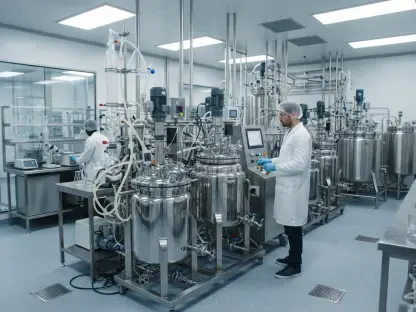
Beyond the initial screening of genetic sequences, the physical hardware used in benchtop DNA synthesis machines presents a growing regulatory challenge that requires immediate attention. These portable devices allow researchers to manufacture genetic material on-site, effectively bypassing the centralized oversight of large-scale commercial providers. As the technology behind these machines becomes more accessible, the potential for decentralized bioweapon production increases exponentially. AI leaders emphasize that manufacturers of this equipment must integrate secure, cloud-based screening software that cannot be disabled by the end-user. Such a system would verify the legitimacy of every synthesis request in real-time before the machine begins the manufacturing process. Furthermore, implementing biometric access controls and immutable digital logs for these devices would provide a layer of accountability that is currently missing. By embedding safety protocols directly into the hardware, the industry can create a resilient barrier against illicit creation.
Future Safeguards: Integrating AI Safety with Biological Security
The push for regulation is characterized by an unprecedented level of cooperation between rival AI labs and government agencies, reflecting the severity of the biological threat. Leading organizations such as OpenAI, Anthropic, and Google DeepMind have started developing internal red-teaming protocols specifically designed to identify if their models can facilitate biological attacks. These efforts involve simulating scenarios where an adversary uses an AI assistant to troubleshoot complex synthesis problems or source rare chemicals. However, voluntary industry standards are often insufficient to drive widespread change across a globalized economy. Consequently, there is a growing consensus that governments must step in to codify these best practices into enforceable law. Legislative frameworks should focus on establishing clear liability for companies that fail to implement robust safety measures. By creating a legal environment where safety is a requirement for market entry, the public sector can incentivize defensive technologies.
Stakeholders focused on the immediate implementation of a multi-layered defense strategy that integrated advanced AI monitoring with stringent physical oversight. Policymakers established a centralized international clearinghouse to track the acquisition of sensitive biological precursors and high-capability synthesis equipment. This agency worked in tandem with tech firms to ensure that frontier AI models underwent rigorous third-party auditing before their release. Researchers also prioritized the development of “safe-by-design” biological systems that utilized watermarking and other tracking technologies to identify the origin of synthesized DNA. These actions moved the industry toward a proactive stance where security was treated as an integral component of the development lifecycle rather than an afterthought. By fostering a culture of transparency and shared responsibility, the global community began to mitigate the dual-use risks inherent in synthetic biology while protecting global health.