
Within the intricate code of a patient’s DNA lies both the blueprint of their cancer and the potential map to its defeat, yet unlocking these secrets has become a monumental challenge of information overload. The era of precision medicine has generated an ocean of genomic data, but navigating it to find the right treatment for the right person at the right time remains a formidable task. This is the central challenge that has spurred a landmark collaboration announced earlier this month between The University of Texas MD Anderson Cancer Center and AI-driven analytics firm SOPHiA GENETICS. This alliance is not just another partnership; it signifies a critical industry pivot toward integrating artificial intelligence as a foundational tool to translate overwhelming biological data into clear, life-saving clinical actions.
When a Patients Genes Hold the Cure How Do We Find the Key
The promise of personalized cancer treatment is rooted in understanding the unique genetic makeup of each tumor. As technologies like next-generation sequencing (NGS) have become standard, clinicians are now armed with an unprecedented volume of information about the molecular drivers of a patient’s disease. This data holds the potential to guide therapy selection with remarkable precision, moving beyond one-size-fits-all approaches. However, the sheer scale and complexity of this information present a significant hurdle. Each patient’s genomic profile can contain millions of data points, creating a complex analytical puzzle.
The fundamental question facing oncology today is one of translation. How can the vast datasets generated in research and clinical settings be converted into timely, accurate, and actionable insights for individual patients sitting in an examination room? The path from raw sequence data to a definitive clinical decision is fraught with interpretive challenges. Identifying the critical mutations, understanding their interplay, and matching them to effective therapies requires a level of analytical power that is rapidly exceeding human capacity alone, highlighting the urgent need for more sophisticated and intelligent systems.
The Data Dilemma Why Oncologys Progress Demands a New Approach
Precision oncology’s rapid advancement has inadvertently created a new bottleneck. While the ability to generate high-dimensional diagnostic data has soared, the capacity for its interpretation has struggled to keep pace. Clinical laboratories and oncologists are increasingly inundated with complex reports from NGS and transcriptomic analyses. Consistently and efficiently interpreting this escalating volume of information to inform patient care represents a significant real-world challenge. The risk is that valuable, potentially life-saving information remains buried within the data, inaccessible due to the lack of scalable analytical tools.
This data interpretation barrier is precisely what the new alliance aims to dismantle. The collaboration is framed as a necessary evolution in the practice of oncology, a strategic response to the growing chasm between data generation and clinical application. By embedding AI-driven analytics directly into the diagnostic workflow, the initiative seeks to overcome the current limitations. The goal is to create a system where complex genomic information no longer represents a hurdle but serves as a clear and accessible guide for therapeutic decision-making, ensuring that the progress in data generation translates directly into improved patient outcomes.
A Strategic Fusion of Clinical Mastery and AI Analytics
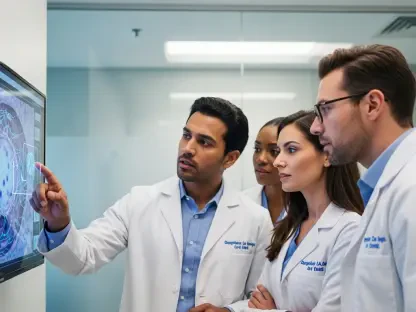
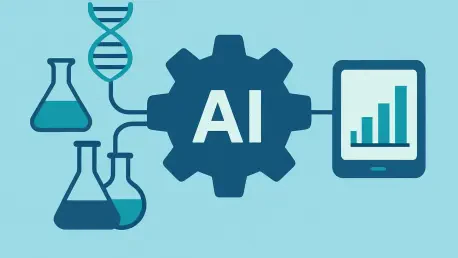
This initiative represents a synergistic fusion of two distinct but highly complementary worlds. On one side is MD Anderson, a world-renowned institution with profound expertise in cancer care, clinical research, and laboratory medicine. Its deep understanding of the disease’s biological nuances and the practical realities of patient treatment provides the essential clinical context. On the other side is SOPHiA GENETICS, which brings its powerful AI-driven SOPHiA DDM platform, a technology engineered to analyze and interpret complex multimodal health data at scale. The collaboration strategically pairs clinical mastery with advanced computational analytics.
The primary mission is to translate this intricate molecular and genomic information into practical, consistently applicable tools that empower clinicians. A landmark outcome of this partnership will be the co-development of a sophisticated NGS oncology test. This test is being designed to deliver rapid, clinically relevant insights by analyzing multiple data types simultaneously. To achieve this, researchers at MD Anderson will leverage SOPHiA GENETICS’ AI technologies to build and validate automated bioinformatics pipelines. These systems are specifically engineered for the swift interpretation of complex RNA-sequencing data, a critical element in identifying actionable therapeutic targets and clarifying ambiguous diagnostic profiles.
Voices from the Forefront on the AI Revolution in Cancer Care
The leaders steering this collaboration view the integration of AI not as a novelty but as an imperative for the future of medicine. According to Donna Hansel, MD, PhD, division head of Pathology and Laboratory Medicine at MD Anderson, the evolution of cancer research has produced an “unprecedented amount of available health data.” She emphasizes that this alliance represents a vital step forward for laboratory medicine, enabling a more effective interpretation of this complex molecular information. For Dr. Hansel, the goal is to convert this data into actionable insights that tangibly advance both research and the delivery of precision care to patients.
This sentiment is echoed with a vision for global impact. Philippe Menu, MD, PhD, of SOPHiA GENETICS, highlights the partnership’s ambition to “push the boundaries of what is possible in cancer research.” Crucially, he stresses that the ultimate objective extends beyond innovation for its own sake. The focus is on ensuring these advancements benefit patients worldwide by bringing leading-edge technologies to all geographies “quickly and at scale.” This perspective underscores a commitment to democratizing access to cutting-edge diagnostics, making high-quality, data-driven cancer care a global standard rather than a regional privilege.
The Blueprint for Tomorrows Standard of Care
The collaboration between MD Anderson and SOPHiA GENETICS is indicative of a broader industry trend: the shift of AI platforms from optional add-on tools to essential, core infrastructure in diagnostics and biopharmaceutical development. As molecular testing becomes more complex and central to treatment pathways, the need for robust and interoperable bioinformatics systems has become paramount. This partnership exemplifies a new paradigm where academic medical centers and technology pioneers align to build data-driven ecosystems crucial for molecularly stratifying patients for targeted therapies and more efficient clinical trials.
By prioritizing scalability and a global deployment strategy, this alliance is positioned to set new future standards across the oncology landscape. The potential impact is far-reaching, promising to influence how oncology diagnostics are developed, how clinical trials are designed and executed, and how next-generation drugs are brought to market. The integrated, AI-powered approach is designed to create a more efficient and effective feedback loop between clinical care and research, accelerating the entire innovation cycle from discovery to patient bedside.
The formation of this strategic alliance marked a pivotal moment in the evolution of cancer genomics. It represented a deliberate move away from siloed data analysis and toward a future where clinical expertise and artificial intelligence were inextricably linked. This initiative was not merely about developing a new test; it was about architecting an infrastructure capable of handling the immense complexity of modern biological data. The collaboration demonstrated a shared recognition that the future of oncology depended on harnessing computational power to unlock the secrets held within each patient’s unique genetic code, ultimately forging a new and more precise standard of care.