
Imagine a world where life-saving drugs reach patients faster, with fewer animals harmed and costs slashed by millions. This isn’t a distant dream but a tangible goal as the U.S. Food and Drug Administration (FDA) pivots toward human-relevant drug safety models. With new draft guidance released earlier this year on December 2, the agency is steering away from traditional animal testing, like non-human primate (NHP) studies, especially for monoclonal antibody (mAb) products. This roundup gathers diverse opinions, insights, and tips from industry leaders, researchers, and patient advocates to explore what this seismic shift means for drug development, ethics, and patient access. The purpose here is to distill varied perspectives into a clear picture of how this regulatory change could reshape biopharmaceutical innovation.
Understanding the Regulatory Pivot
The FDA’s latest guidance marks a bold step toward reducing reliance on six-month NHP toxicity studies, favoring alternatives that better mirror human biology. Industry voices highlight a growing frustration with animal models that often fail to predict human outcomes, with many noting that drugs passing animal tests frequently stumble in clinical trials. A common sentiment among biopharma executives is relief at the prospect of streamlined preclinical phases, which could shave years off development timelines.
In contrast, some traditionalists in the field express caution. A segment of researchers argues that animal testing, despite its flaws, has a long track record, while newer methods like organoids or computational models lack decades of validation. They worry that rushing into uncharted territory might compromise safety. However, proponents counter that the disconnect between animal and human responses—evidenced by high failure rates—demands urgent innovation, aligning with the FDA’s vision for more predictive tools.
Exploring Alternative Testing Methods
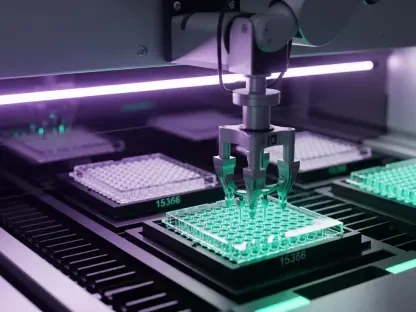
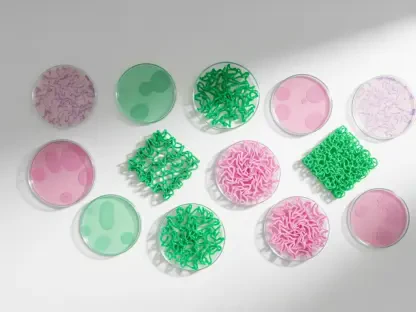
Diving into the alternatives, many stakeholders praise the potential of cutting-edge tools like organoids, which are derived from human cells and mimic organ functions. Biotech innovators point out that these models offer a closer glimpse into human reactions, potentially catching safety issues earlier. Some companies share success stories of using such technologies to bypass costly NHP studies, saving upwards of $5 million per program and accelerating their research.
On the flip side, a few industry observers note that these novel approaches aren’t foolproof. While they show promise, there’s a shared concern about their long-term reliability since data over extended periods remains limited. Despite this, the consensus leans toward optimism, with many urging investment in validation studies to bridge these gaps. The FDA’s push for rigorous testing of these methods before full adoption seems to resonate as a balanced strategy.
Economic and Ethical Dimensions
Economically, the shift sparks excitement across the board. Industry analysts emphasize that slashing the expenses tied to animal testing—often $50,000 per animal with over 100 used per study—could lower overall R&D costs significantly. There’s speculation among financial experts that these savings might eventually translate to more affordable drugs, a point that patient advocacy groups echo with hope for broader access to therapies.
Ethically, the reduction in animal use garners near-universal support. Animal welfare organizations and ethical review panels commend the FDA for responding to public demand for humane practices. Yet, a smaller group of skeptics within the scientific community questions whether human-relevant models can fully replace the nuanced insights animal studies sometimes provide. This tension reveals a broader debate about balancing moral imperatives with scientific caution, though most agree that progress in non-animal methods is a step in the right direction.
Risk-Based Frameworks and Global Alignment
The FDA’s adoption of a risk-based framework, tailoring safety assessments to specific products, also draws varied reactions. Regulatory consultants applaud this flexibility, noting that it allows for customized evaluations rather than one-size-fits-all mandates. They argue this approach could prevent unnecessary testing while still safeguarding patients, especially for less complex drugs where human-relevant data is already robust.
Internationally, there’s appreciation for the FDA’s collaboration with bodies like the National Institutes of Health (NIH) to standardize non-animal methods. Global regulatory experts suggest that aligning standards across borders could ease the burden on companies navigating diverse requirements. However, some caution that geographic differences in regulatory expectations might slow harmonization, urging patience as these partnerships evolve over the coming years from now to 2027.
Practical Tips for Biopharma Stakeholders
For companies looking to adapt, several actionable insights emerge from industry discussions. Many consultants recommend early investment in alternative testing platforms, such as computational toxicology, to stay ahead of regulatory curves. Engaging with FDA workshops and public forums, like the one held in July, is also advised as a way to influence and understand evolving guidelines.
Moreover, smaller biopharma firms are encouraged to collaborate with larger entities or academic institutions that have access to advanced models, leveling the playing field. Patient advocacy leaders add that transparency about testing methods can build trust with the public, suggesting companies communicate their adoption of humane practices openly. These practical steps aim to help navigate a landscape that’s shifting rapidly under the FDA’s new direction.
Reflecting on a Transformative Moment
Looking back, the discourse around the FDA’s move toward human-relevant drug safety models revealed a dynamic mix of optimism, caution, and actionable advice. Stakeholders across the spectrum—from industry pioneers to ethical advocates—debated the merits and challenges, yet a shared hope for faster, more humane drug development emerged as a unifying thread. As this regulatory evolution unfolded, it became clear that balancing innovation with safety was no small feat, but one worth pursuing.
For those eager to stay engaged, delving into further resources from regulatory updates or participating in upcoming industry forums offers a path forward. Companies and advocates alike might consider joining collaborative efforts to refine these new methodologies, ensuring they meet both scientific and ethical benchmarks. This pivotal moment in drug safety testing opened doors to a future where patient needs, economic realities, and moral values could align more closely than ever before.