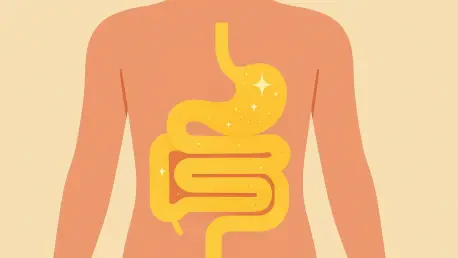

Mapping the adult human intestine through spatial atlases is essential for bridging the biological gap between mouse models and human clinical applications. The human intestine remains one of the most biologically active environments in the body, defined by a relentless and necessary cycle of destruction and renewal. Approximately every five days, the entire lining of the gut is shed and replaced, a monumental feat of biological engineering managed by a specialized pool of intestinal stem cells, or ISCs. These cells reside in microscopic pockets known as crypts, acting as the primary architects and maintenance crews of the digestive tract. When this renewal process is disrupted by disease, infection, or medical intervention, the results can be catastrophic, leading to debilitating conditions like inflammatory bowel disease, short bowel syndrome, or chronic mucosal failure.
To address these significant medical challenges, the Intestinal Stem Cell Consortium has developed a comprehensive roadmap for the future of regenerative medicine. Published after years of intensive collaboration, this master plan details the complex mechanisms of gut repair and outlines a strategic path toward clinical applications. The ultimate goal is to grow functional intestinal tissue outside the body and transplant it into patients, effectively rebuilding the human gut from the ground up using the body’s own regenerative potential. By understanding the fundamental rules of how stem cells interact with their surroundings, the medical community is moving from theoretical research to the practical engineering of lab-grown tissues. This transition marks a new era in gastroenterology, where the focus shifts from managing symptoms to actively replacing damaged sections of the digestive tract with healthy, bioengineered grafts.
Shifting Paradigms in Stem Cell Biology
The scientific understanding of how the gut repairs itself has undergone a dramatic transformation, moving away from rigid definitions of cell identity. For years, researchers operated under the assumption that intestinal stem cells were divided into two distinct, non-overlapping categories. The first group consisted of active cells that handled the daily tasks of tissue maintenance, while the second group was thought to be a reserve population that remained dormant until a major injury occurred. However, current research has dismantled this binary view, revealing a system that is far more fluid and responsive than previously imagined. It is now understood that the ability to function as a stem cell is not a permanent label but a temporary state influenced by the immediate needs of the tissue.
This shift in perspective has led to a deeper appreciation for the resilience of the human digestive system. Instead of relying on a single, fragile population of cells, the intestine possesses a high degree of redundancy. If the primary stem cells are damaged by radiation or toxins, the surrounding cells do not simply fail. Instead, the tissue initiates a sophisticated backup plan where specialized cells, which had already begun their specific roles, can revert to a stem-like state. This innate flexibility allows the body to maintain the integrity of the intestinal barrier even under extreme stress. By characterizing these transition states, scientists are identifying the exact molecular triggers that allow the gut to reset its own development, providing a blueprint for future therapies that could artificially induce healing in non-regenerative tissues.
Understanding Cellular State and Plasticity
The concept of cellular plasticity is central to the modern roadmap for intestinal reconstruction. Research has demonstrated that many different types of cells in the gut, including secretory progenitors and even mature enterocytes, possess the latent ability to adopt stem-cell-like properties when the primary pool is depleted. This remarkable flexibility allows the intestine to be incredibly resilient, as various cells can essentially move backward in their developmental timeline to become functional stem cells again. This process is not a random occurrence but a highly regulated response to changes in the local environment, ensuring that the gut lining is always replenished regardless of the type of injury sustained.
This cellular de-differentiation is made possible by the intestine’s permissive chromatin structure, which allows cells to rapidly switch their gene expression in response to damage. When a wound is detected, the cells receive signals that tell them to ignore their current specialized tasks and return to a regenerative, fetal-like state. This rapid adaptation is the secret behind the gut’s legendary healing power, allowing it to recover from infections and inflammatory flares that would otherwise cause permanent damage. Understanding the specific signals that initiate this backward movement in development is a primary goal for bioengineers, as it could allow for the creation of “smart” treatments that trigger natural repair mechanisms exactly where and when they are needed most.
The Double-Edged Sword of Regeneration
While the intestine’s inherent plasticity is a marvel of survival, it also presents a significant risk that must be carefully managed in a clinical setting. The same survival programs that allow a cell to move backward in its development to heal a wound can be hijacked by cancer cells. When these regenerative switches are flipped permanently or in the wrong context, they can lead to the formation of tumors that are exceptionally difficult to treat. These malignant cells often utilize the same protective mechanisms as stem cells, making them resistant to conventional chemotherapy and radiation. The challenge for modern medicine is to learn how to harness this power for healing without accidentally fueling the growth of oncogenic tissues.
Furthermore, chronic inflammation can leave a lasting impact on the behavior of intestinal stem cells. In diseases like ulcerative colitis, the stem cells may carry epigenetic memories of past inflammation that prevent them from functioning normally even after the symptoms have subsided. This lingering memory can stall the healing process and lead to a state of permanent tissue dysfunction or scarring. Researchers are currently investigating ways to clear this epigenetic slate, essentially resetting the cellular program so that the gut can rebuild itself without being hindered by its history of damage. Successfully navigating these risks is essential for the development of safe and effective regenerative therapies that can restore long-term health to patients with chronic gastrointestinal conditions.
The Microenvironment and the Microbiome
The success of any stem cell is entirely dependent on its surroundings, a complex area known as the niche. This niche is far more than just a physical support structure; it is a sophisticated, multi-layered ecosystem involving multiple tissue types that work in harmony to regulate gut health. At the base of the intestinal crypts, specialized cells act as immediate neighbors to stem cells, providing essential metabolic support and the chemical signals necessary for division. However, the system is designed with multiple redundancies. Even if these primary support cells are lost, the stem cells can draw the necessary signals from the surrounding mesenchymal layer, which includes a diverse array of pericryptal stromal cells and telocytes that amplify regenerative cues.
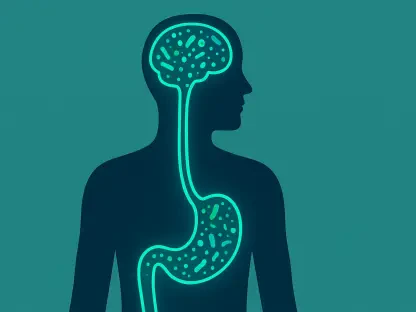
This microenvironment also incorporates the body’s vascular and nervous systems, creating an integrated network that spans the entire organ. Lymphatic vessels, for instance, act as signaling hubs that release specific factors necessary for tissue repair after a toxic injury. Meanwhile, the immune system produces cytokines that protect stem cells from immune damage while simultaneously promoting the growth of the intestinal lining. The gut-brain axis also plays a critical role, as nerves can regulate how stem cells respond to physical stress or changes in the digestive environment. This level of complexity highlights why rebuilding the intestine requires more than just stem cells; it requires the recreation of an entire supportive ecosystem that can sustain and direct cellular behavior.
The Niche as a Multi-Tissue Ecosystem
The Intestinal Stem Cell Consortium has highlighted that the niche is a dynamic participant in the life cycle of the gut. Beyond just providing nutrients, the niche uses mechanical forces to influence cell fate. The physical pressure and movement within the intestine provide mechanosensing signals that tell stem cells when to divide and what type of tissue to become. This suggests that the physical environment of a lab-grown organ is just as important as its biological components. To successfully rebuild the gut, engineers must find ways to mimic these physical stresses, ensuring that the engineered tissue develops the correct architecture and functional properties needed to survive inside the human body.
In addition to mechanical cues, the niche acts as a filter for the many signals circulating through the bloodstream. It can amplify or dampen the effects of hormones and growth factors, providing a localized control system that ensures the gut only regenerates when necessary. This localized control is vital for preventing the systemic overgrowth of tissue while allowing for rapid repair in specific areas of damage. By mapping the precise locations and functions of every cell type within the niche, researchers are creating a comprehensive atlas that will guide the development of bioengineered grafts. These grafts will need to include not just the epithelial lining, but also the underlying support structures that allow the tissue to thrive and integrate with the patient’s existing systems.
Microbial Influence and the Gut Interface
The human intestine serves as the primary interface between the internal body and the outside world, making its interaction with the microbiome a critical factor in long-term health. The microbiome is not a passive resident; it is an active participant in the health of the intestinal stem cells. Certain microbiota-derived substances, such as lactate, have been found to accelerate the development of the gut lining by providing chemical signals that encourage stem cell activity. Furthermore, stem cells themselves possess innate immune sensors that allow them to detect the presence of microbes directly. This sensing mechanism can protect the cells from oxidative stress and help maintain a healthy balance between tissue division and the specialization of cells.
To better understand these interactions, researchers are utilizing advanced technology such as microfluidic gut-on-a-chip systems. These devices allow scientists to recreate the unique anaerobic conditions of the human intestine in a controlled lab setting, enabling the study of how pathogens and beneficial bacteria interact with human stem cells in real-time. By manipulating the microbial environment within these chips, researchers can identify specific bacterial strains or metabolites that promote mucosal healing. This research suggests that future strategies for treating chronic inflammatory conditions may involve the strategic manipulation of the gut bacteria to create a more supportive environment for natural tissue regeneration, potentially reducing the need for aggressive pharmacological interventions.
Technological Breakthroughs and Engineering
Progress in the field of gut reconstruction is inextricably linked to the rapid evolution of organoid technology. Since the initial discovery that a single intestinal stem cell could grow into a complex, mini-gut structure, the field has moved toward creating increasingly sophisticated models. These lab-grown organoids are no longer just simple clusters of cells; they now feature functional nerves, blood vessels, and immune components that closely mimic the complexity of the human body. By using these models, scientists can study the progression of diseases and test the effectiveness of new drugs in a way that was previously impossible. This technology provides a bridge between laboratory research and clinical application, offering a personalized approach to medicine.
One of the most significant advancements in this area is the development of scaffold-guided morphogenesis. By using synthetic or biological frameworks, researchers can guide the growth of organoids into shapes that match the actual architecture of the human intestine, including the characteristic folds and microscopic pockets. Preclinical models have already demonstrated that these organoid-derived tissues can integrate into a damaged bowel and restore its normal function. This bioengineering approach provides a scalable method for producing transplantable tissue that is tailored to a patient’s specific needs. As these techniques continue to improve, the possibility of using lab-grown organ transplants to treat severe intestinal failure is becoming a realistic goal for the near future.
From Mini-Guts to Transplantable Tissue
The journey from a laboratory dish to a surgical suite involves overcoming significant engineering challenges. While mini-guts are excellent for research, creating a functional, large-scale replacement for a human intestine requires the integration of multiple tissue layers. This includes the muscular layers necessary for movement, the nervous system needed for coordination, and a vascular network to provide oxygen and nutrients. Scientists are currently experimenting with complex bio-reactors that can sustain these multi-tissue grafts as they grow, ensuring they are robust enough to survive the harsh environment of a diseased body. These efforts represent the cutting edge of regenerative medicine, where biology and engineering meet to solve some of the most difficult problems in healthcare.
Successful transplantation also requires that the engineered tissue be accepted by the patient’s immune system. By using the patient’s own stem cells to grow the organoid, the risk of rejection is significantly reduced, potentially eliminating the need for life-long immunosuppressive drugs. This personalized approach to organ replacement would revolutionize the treatment of conditions like short bowel syndrome, where patients currently rely on difficult and high-risk procedures. As the manufacturing processes for these tissues become more standardized and efficient, the focus is shifting toward clinical trials. These trials will be the final step in proving that lab-grown intestines can provide a safe and permanent solution for patients who have lost the function of their natural digestive tract.
Integrating Regenerative Solutions
The Intestinal Stem Cell Consortium successfully transitioned the field of gastroenterology from a focus on pure discovery to a strategic era of clinical application. Researchers identified that the intestine operates according to a biological master plan that allows for reconstruction even after severe damage. By characterizing the stem cell as a fluid participant in a broader ecosystem, the scientific community moved closer to creating functional replacements for diseased organs. The legacy of this research established that the gut is a highly responsive system capable of being rebuilt through targeted biological and mechanical interventions. This foundation provided the necessary tools to begin designing therapies that go beyond simple symptom management, aiming instead for total tissue restoration.
Looking forward, the medical community emphasized the need to scale up the manufacturing of multi-tissue grafts that can survive within a patient’s body. This required the integration of nerves and blood vessels into singular, transplantable units that function seamlessly with the host’s existing systems. Furthermore, the development of spatial atlases remained critical to ensure that therapies were tailored to the unique biological traits of humans. Monitoring the long-term safety of growth-stimulating treatments was also identified as an essential step in the clinical process. Through these coordinated efforts, the goal of rebuilding the human intestine with stem cells moved toward becoming a standard clinical reality, offering new hope to those suffering from chronic gastrointestinal failure.