
The current landscape of biological production is frequently hampered by a fundamental misalignment between the engineering of high-performing microbial strains and the logistical realities of industrial-scale purification processes. This systemic failure often manifests when a strain that performs exceptionally well in a laboratory environment proves nearly impossible to harvest or refine during mass production. For many biotechnology firms, this disconnect translates into a staggering failure rate exceeding 75 percent, with research and development timelines often stretching toward a full decade of investment before reaching commercial viability. Historically, upstream metabolic engineering and downstream process development have functioned as isolated silos, leading to inefficient processes that are scientifically fascinating but economically catastrophic. Without a cohesive framework to bridge these stages, the industry continues to struggle with cost overruns and unpredictable yields that stall the transition to bio-based solutions.
Bridging the Operational Gap: Digital Twins and Predictive Modeling
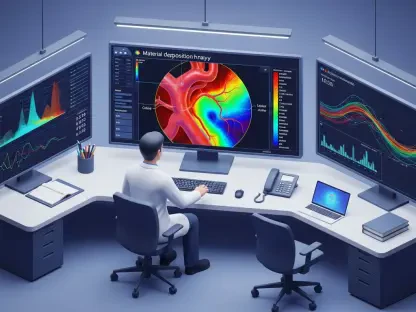
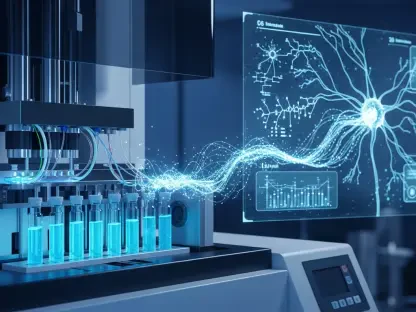
The emergence of integrated digital platforms, such as the collaborative effort between New Wave Biotech and iMEAN, provides a sophisticated methodology to navigate these historical bottlenecks. By utilizing genome-scale metabolic modeling alongside advanced simulation tools, developers can now construct a comprehensive digital twin of the entire production cycle from the moment of conception. This technological synergy allows for the simultaneous optimization of upstream strain performance and downstream recovery efficiencies, ensuring that biological candidates are selected based on their real-world scalability rather than isolated laboratory metrics. Instead of relying on trial-and-error experimentation, which is both time-consuming and prohibitively expensive, manufacturers can simulate thousands of variables to predict how a specific modification in the genome will impact the final purification cost. This proactive analytical capability enables teams to pivot early in the development phase, effectively mitigating financial risks and maximizing the probability of commercial success.
Enhancing Yields and Navigating Global Regulatory Requirements
The tangible impact of these AI-driven integrations is evidenced by recent benchmarks demonstrating an 8.6-fold improvement in yields and a 92 percent reduction in the total number of physical experiments required. These efficiencies are particularly critical as pharmaceutical, cosmetic, and food ingredient sectors face mounting pressure to localize production under frameworks like the US BIOSECURE Act and the EU Biotech Act. These legislative shifts necessitate a rapid expansion of domestic manufacturing capacity, making the ability to visualize the full economic and operational picture from day one a strategic necessity. By streamlining the path from the bench to the market, companies can better navigate the complexities of international trade regulations while maintaining a competitive edge in sustainability. The integration of environmental tracking directly into the process design ensures that new biomanufacturing facilities are not only profitable but also compliant with the increasingly stringent global standards for carbon footprint reduction and resource efficiency.
Future Considerations: Actionable Pathways for Sustainable Scale
The integration of end-to-end AI optimization established a definitive shift in how biomanufacturing projects were managed and executed throughout the 2026 to 2028 development cycle. Leaders in the sector recognized that treating strain engineering and purification as a single, unified data stream was the only viable method for overcoming the scaling crisis. Organizations that adopted these holistic digital twin models realized significant cost savings and faster speed-to-market compared to those adhering to traditional, fragmented workflows. Moving forward, the industry must prioritize the implementation of cross-functional data architectures that allow for real-time adjustments to metabolic pathways based on downstream sensor feedback. Investment in predictive analytics should be paired with internal training programs to bridge the expertise gap between data scientists and bioprocess engineers. These steps were essential for transforming biomanufacturing from an unpredictable experimental field into a reliable, high-output industrial pillar capable of meeting global demand.