
The long-standing economic barriers that have historically prevented lab-grown food from reaching mass-market shelves are finally beginning to crumble under the weight of innovative engineering and manufacturing breakthroughs. For years, the promise of cellular agriculture was overshadowed by the staggering costs associated with specialized equipment and sterile environments, but recent developments from California Cultured suggest a fundamental shift in this paradigm. By successfully completing a full-scale production run in a custom-built 2,000-liter bioreactor, the startup has demonstrated that plant cell culture is no longer a high-priced curiosity reserved for the pharmaceutical industry. This milestone signifies a move toward a more sustainable and economically viable method of producing essential food ingredients like cocoa. As global supply chains face increasing pressure from environmental and geopolitical instability, the ability to grow high-value plant cells at a fraction of the traditional cost offers a lifeline to manufacturers and consumers alike, proving that biotechnology can indeed meet the demands of the modern world.
Engineering a More Affordable Cultivation Environment
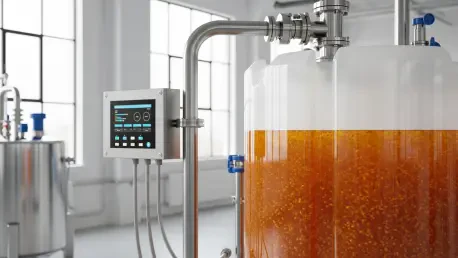
Standard biomanufacturing practices have traditionally relied on massive stainless steel fermentation tanks, which are notoriously expensive and require significant capital investment often exceeding one million dollars per unit. California Cultured has disrupted this established norm by developing proprietary rigid plastic bioreactors that cost approximately three thousand dollars to manufacture while maintaining the necessary structural integrity for industrial use. Unlike the flimsy single-use plastic bags often used in biotech, which generate substantial waste and offer limited durability, these new vessels are engineered to be reused thousands of times. The core of this innovation lies in a specialized steam sterilization process that allows for repeated cleaning without compromising the sterile environment required for cell growth. By replacing precious metals with high-grade, durable plastics, the company has successfully lowered the entry barrier for cell-based production, making it possible to produce cocoa in a way that rivals the pricing of conventional agriculture.
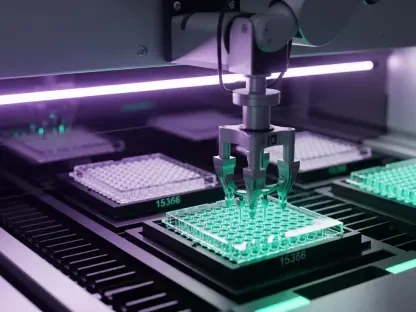
Beyond the physical hardware of the reactors, the implementation of a sophisticated automated control system has redefined the labor dynamics of the production cycle. This smart controller layer manages complex variables such as temperature, nutrient flow, and waste removal with minimal human intervention, effectively solving one of the most persistent challenges in biotechnology. In traditional settings, the high level of expertise and manual labor required to monitor cell cultures often drove operating expenses to unsustainable levels for food-grade products. However, the integration of real-time monitoring and autonomous adjustments ensures that each 2,000-liter unit operates at peak efficiency around the clock. This reduction in labor-intensive processes not only cuts costs but also minimizes the risk of human error, which can lead to the loss of entire batches. The result is a streamlined, reliable manufacturing workflow that allows the company to maintain consistent quality while focusing resources on expanding its reach into new culinary applications.
Transitioning From Scaling Up to Scaling Out
While most biotech firms focus on the scaling up model, which necessitates the construction of increasingly massive and centralized facilities, California Cultured has adopted a scale-out philosophy. This strategy involves the deployment of numerous smaller, modular 2,000-liter reactors rather than a single, multi-story vat, allowing for a more flexible and responsive production footprint. Large-scale centralized facilities often require years of planning and hundreds of millions of dollars in infrastructure investment before a single ounce of product is sold. In contrast, the modular approach allows for incremental growth, where additional units can be added as market demand increases without the need for a complete facility overhaul. This methodology significantly reduces the financial risks associated with scaling a new technology, as the initial capital requirements are far more manageable. By breaking down the production process into smaller, standardized modules, the company has created a blueprint for rapid expansion that is both economically efficient and technically sustainable.
The inherent flexibility of these modular units means that production facilities do not need to be housed in specialized, heavy-duty industrial zones but can instead thrive in retrofitted office buildings or light industrial spaces. This democratization of the manufacturing environment allows for the establishment of localized supply chains that are entirely decoupled from specific geographic regions or traditional agricultural climates. By bringing production closer to the end consumer or the manufacturing hubs of major food corporations, the company can drastically reduce transportation costs and the carbon footprint associated with long-distance shipping. Furthermore, this decentralized model provides a layer of security against localized disruptions, such as political instability or infrastructure failures, which often plague the global cocoa trade. The ability to set up a fully functional production line in a standard warehouse space transforms the logistics of food production, turning what was once a highly specialized biotech process into a versatile tool for urban and regional food sovereignty.
Resolving the Fragility of the Global Cocoa Market
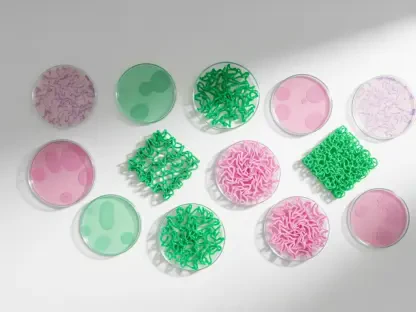
The global cocoa industry is currently grappling with a severe supply crunch driven by a combination of climate volatility, aging tree populations, and the rapid spread of agricultural diseases. Traditional cocoa farming, which is concentrated in a few specific regions of West Africa, has become increasingly unpredictable as weather patterns shift and soil quality declines over decades of intensive use. These environmental challenges often lead to price spikes and shortages that ripple through the global market, affecting everything from artisanal chocolatiers to mass-market confectioners. Cultured cocoa offers a robust alternative by moving the growth process into a controlled, indoor environment where variables are meticulously managed. Because the process focuses exclusively on cultivating the specific cells responsible for flavor and nutrition, it bypasses the years-long growth cycle of a tree and the resource-intensive harvesting of whole beans. This shift not only stabilizes the supply but also ensures that production can continue regardless of whether a particular growing season is hampered by drought, floods, or pests.
Environmental and ethical considerations have also played a significant role in the push for cell-based cocoa, as traditional farming is frequently linked to deforestation and heavy metal contamination. Soil-grown cocoa beans often absorb elements like lead and cadmium from the ground, posing long-term health risks that manufacturers must constantly monitor and mitigate. By utilizing a sterile, lab-controlled environment, California Cultured produced a product that is entirely free from these contaminants and the pesticides typically used in industrial farming. This purity is a major selling point for health-conscious consumers and high-end chocolate brands looking to guarantee the safety of their ingredients. Additionally, the elimination of the need for vast tracts of land helps preserve biodiverse forests that would otherwise be cleared for new plantations. This technological approach effectively decouples chocolate production from ecological destruction, providing a path forward that aligns the indulgence of confectionery with the urgent need for environmental stewardship and consumer safety.
Commercial Pathways and Future Integration Strategies
Strategic partnerships with established industry giants like Puratos and Meiji have already validated the commercial potential of cultured cocoa in the broader food market. These collaborations focus on creating hybrid products that combine traditional cocoa with cell-cultured powder to enhance the nutritional profile of chocolate treats. By utilizing cultured cocoa as a concentrated source of heart-healthy flavanols and antioxidants, manufacturers can market their products as functional foods that offer tangible health benefits beyond simple flavor. This hybrid strategy served as a practical entry point for the technology, allowing companies to integrate sustainable ingredients into existing recipes without drastically changing the flavor profiles familiar to consumers. As these products enter the retail market, they provided a proof of concept for how cellular agriculture can coexist with traditional farming rather than replacing it entirely. This nuanced approach ensured that the transition to lab-grown ingredients was seamless for both the supply chain and the end user.
The successful implementation of these affordable bioreactors suggested that the future of food production will rely on a diverse mix of traditional and technological methods. Moving forward, manufacturers took the necessary steps to secure their supply chains by investing in modular facilities that could be quickly deployed in response to market shifts. By prioritizing localized production and the use of low-cost, reusable materials, the industry effectively neutralized the price volatility that had plagued the cocoa market for years. This evolution required a shift in mindset from centralized, resource-heavy models to distributed, efficient systems that prioritized consistency and purity. The integration of these advanced biotechnological tools allowed the food industry to build a more resilient infrastructure capable of weathering the challenges of the coming decades. Ultimately, the adoption of these innovative production methods proved that sustainable, high-quality ingredients could be made accessible to a global population without compromising the planet’s health or the economic viability of the chocolate industry.