

Researchers have identified that inhibiting the Wee1 protein inadvertently disables a critical switch required for all fast-proliferating cells to begin the DNA replication process. For decades, the pharmaceutical industry has focused on Wee1 as a potential vulnerability for tumors that lack the

The monthly dividend schedule offered by Healthpeak Properties provides investors with more frequent cash flow than the traditional quarterly cycles found in most equity markets. This specific liquidity advantage is a key component of a broader strategy involving healthcare real estate investment
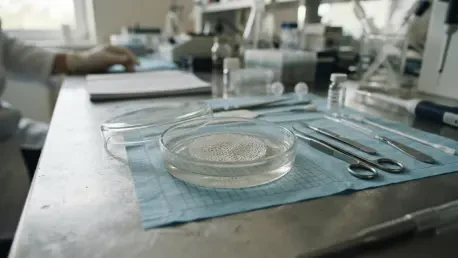
The future of regenerative medicine may depend on refining extraction processes to preserve higher-molecular-weight proteins within hybrid keratin-based systems. As the medical community faces an escalating global shortage of donor organs and tissues, the search for sustainable, bioactive

The aggressive nature of triple-negative breast cancer often leaves clinicians with a narrow window for effective intervention due to its lack of hormone receptors and rapid metastatic progression. This specific subtype has historically bypassed traditional targeted therapies, necessitating a

While psoriasis affects approximately 125 million people globally, the medical community increasingly views the condition as a systemic inflammatory disorder rather than just a localized skin disease. This evolving perspective stems from the recognition that the visible, scaly plaques are

Practical experiments in ethics-integrated education are essential for developing a workforce capable of navigating the moral complexities of modern genetic engineering. As synthetic biology moves from the theoretical confines of academic research into the rapid-fire pace of industrial
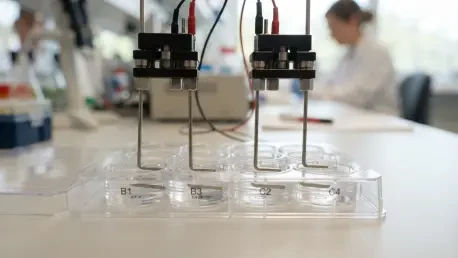
Electronic controller modules based on Arduino firmware now allow for the simultaneous testing of multiple electrical pulse protocols within a single standard 12-well plate. This breakthrough by researchers at the Institute of Life and Health Sciences in Portugal addresses one of the most

The rapid evolution of artificial intelligence and molecular modeling has fundamentally challenged the historical assumption that drug discovery requires massive capital investments in physical laboratory infrastructure. In recent years, the pharmaceutical landscape has shifted from a concentrated

The complexity of molecular transformations in pharmaceutical synthesis demands enzymes that maintain high selectivity without sacrificing the speed of the chemical reaction. These biological catalysts are the foundation of many life-sustaining processes, yet their natural forms are rarely suited

Artificial intelligence platforms such as AVIA and AutoHCS are currently demonstrating the ability to distinguish Zika virus-infected cells much earlier than traditional phenotypic profiling methods allowed. This breakthrough marks a definitive shift in the pharmaceutical industry, where the legacy
1 2 3 4 5 6 7 8 9 10 11 12 13 14 15 16 17 18 19 20 21 22 23 24 25 26 27 28 29 30 31 32 33 34 35 36 37 38 39 40 41 42 43 44 45 46 47 48 49 50 51 52 53 54 55 56 57 58 59 60 61 62 63 64 65 66 67 68 69 70 71 72 73 74 75 76 77 78 79 80 81 82 83 84 85 86 87 88 89 90 91 92 93 94 95 96 97 98 99 100 101 102 103 104 105 106 107


